
Hong Kong Issues First Cold Weather Warning of 2026 Amid Winter Monsoon Chill, Temperatures Dip to Record Lows
Hong Kong, January 8, 2026 – The Hong Kong Observatory (HKO) issued its first Cold Weather Warning of the season on January 1, signaling a medium-severity cold snap as temperatures were forecast to drop to around 12 degrees Celsius. By Thursday morning, the city awoke to an even sharper chill, with temperatures plummeting to 12 degrees Celsius across much of the urban area and as low as 5.9 degrees Celsius in northern districts, driven by a potent winter monsoon under clear skies.
The warning, classified as medium severity, took effect at 10:07 GMT on January 1, alerting residents to prepare for sustained cold conditions where minimum temperatures would not exceed 12 degrees Celsius between midnight and 9 a.m. This marked the onset of winter's grip on the subtropical city, where such warnings are triggered to protect public health amid uncharacteristically low temperatures. The HKO's alert system escalates from basic cold weather announcements to warnings when prolonged cold is expected, advising vulnerable groups—such as the elderly, children, and those with chronic illnesses—to take precautions like wearing extra layers and staying indoors.
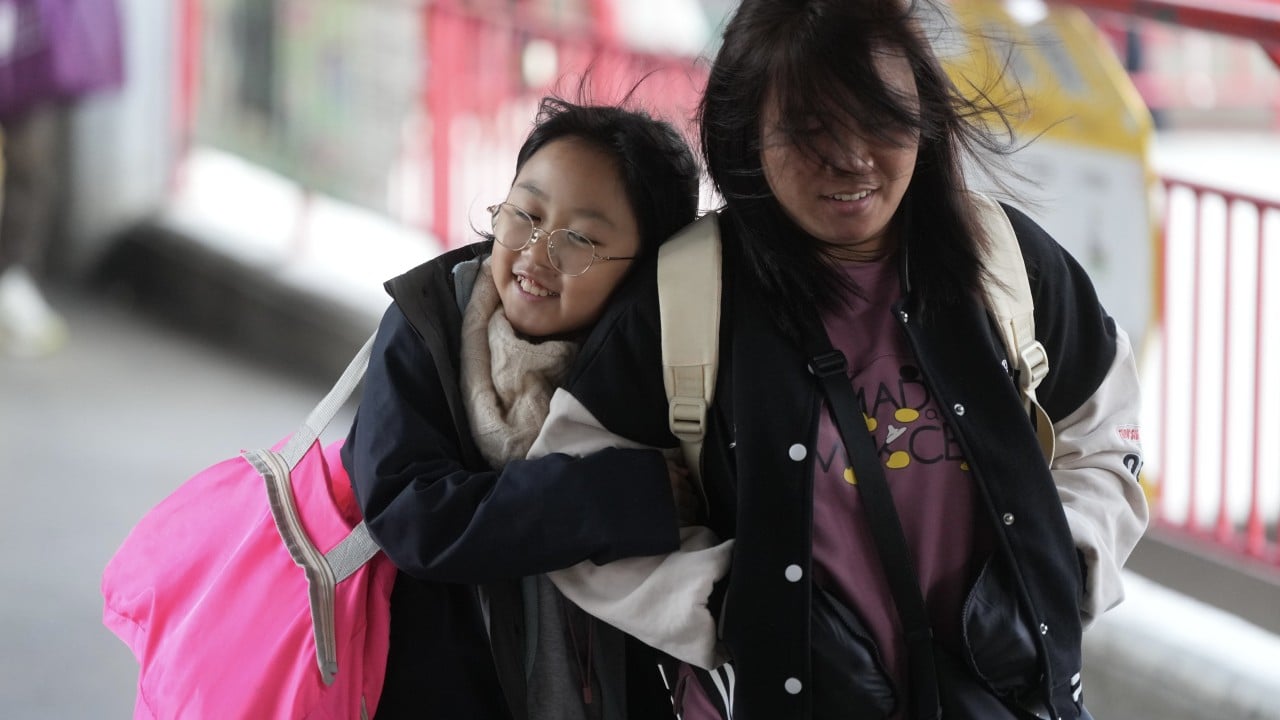
By early Thursday, January 8, the cold front intensified beyond initial forecasts. Clear skies facilitated significant radiative cooling overnight, allowing temperatures to nosedive. The HKO recorded citywide lows of 12 degrees Celsius, while rural northern areas experienced the brunt of the freeze at 5.9 degrees Celsius. Residents reported shivering conditions, with the winter monsoon—a seasonal surge of continental polar air from northern China—fueling the drop. This phenomenon is typical during Hong Kong's winter months from December to February, when northeast monsoons channel cold, dry air southward across the South China Sea.
The South China Morning Post reported that the chill lingered into the morning, catching many Hongkongers off guard despite the prior warning. "A winter chill lingered over Hong Kong on Thursday morning," the article noted, highlighting the public service aspect of making such updates freely available to underscore the event's immediacy and impact. No immediate reports of widespread disruptions emerged, but the cold snap prompted standard advisories from authorities: avoiding outdoor exertion, ensuring adequate heating for homes without proper insulation, and monitoring for hypothermia risks.
Background on Hong Kong's Cold Weather Patterns
Hong Kong's climate is humid subtropical, with average winter temperatures hovering between 15-20 degrees Celsius, making dips below 10 degrees Celsius noteworthy events. The HKO has issued Cold Weather Warnings sporadically since the system's formalization in the 1970s, often tied to strong winter monsoons originating from Siberia and Mongolia. Historical data from the HKO shows that sub-6-degree readings are rare in urban areas but more common in elevated or northern New Territories districts like Tai Mei Tuk or Sheung Shui, where topography enhances cooling.
The 2025-2026 winter follows a pattern of variable conditions influenced by broader atmospheric shifts, including a weakening La Niña oscillation that has allowed more frequent cold surges in East Asia. In recent years, similar events—such as the 2024 cold snap that saw the Hong Kong International Airport shiver at 8.4 degrees Celsius—have highlighted vulnerabilities in a densely populated metropolis of 7.5 million, where high-rise living and tropical building designs offer limited natural insulation.
Public response to such warnings is generally proactive. Schools and elderly centers activate contingency plans, while transport operators monitor for icy patches on elevated roads, though outright snow or ice remains exceptional (last significant frost in 1975). The January 1 warning provided a week-long lead-up, allowing time for distribution of blankets and hot meals through community networks.
Health and Societal Impacts
Medium-severity warnings like this one emphasize health risks over infrastructural threats. The HKO and Health Bureau routinely warn of increased respiratory issues and cardiovascular strain during cold spells, with data showing a 10-20% uptick in hospital admissions for cold-related illnesses in past events. This year's first alert coincides with post-holiday fatigue, amplifying the need for vigilance among outdoor workers, such as construction crews and street vendors.
No fatalities or major incidents were reported as of early Thursday, but the plunge to 5.9 degrees Celsius evoked memories of sharper chills, like the 2016 event when urban lows hit 4.7 degrees Celsius, prompting a rare "Very Cold Weather Warning." Authorities urged the public to check on isolated neighbors and use public warming centers if needed.
Outlook and Regional Context
The current Cold Weather Warning remains in effect, with the HKO monitoring the monsoon's progression. Forecasts suggest the cold air mass will persist through the weekend, potentially easing by early next week as southerly winds return. Neighboring Guangdong Province and Macau have issued analogous alerts, reflecting the regional scope of the monsoon.
This event underscores Hong Kong's exposure to extreme weather variability amid climate change, where warmer baselines paradoxically intensify cold contrasts from polar outbreaks. As the city adapts, investments in resilient infrastructure and public awareness continue to mitigate risks.
In summary, the first Cold Weather Warning of 2026 has ushered in a biting reminder of winter's reach, with temperatures defying expectations to reach 5.9 degrees Celsius. Residents are advised to heed ongoing advisories as the monsoon unfolds.
(Word count: 748)