
Hong Kong Issues Cold Weather Warning as Temperatures Plunge
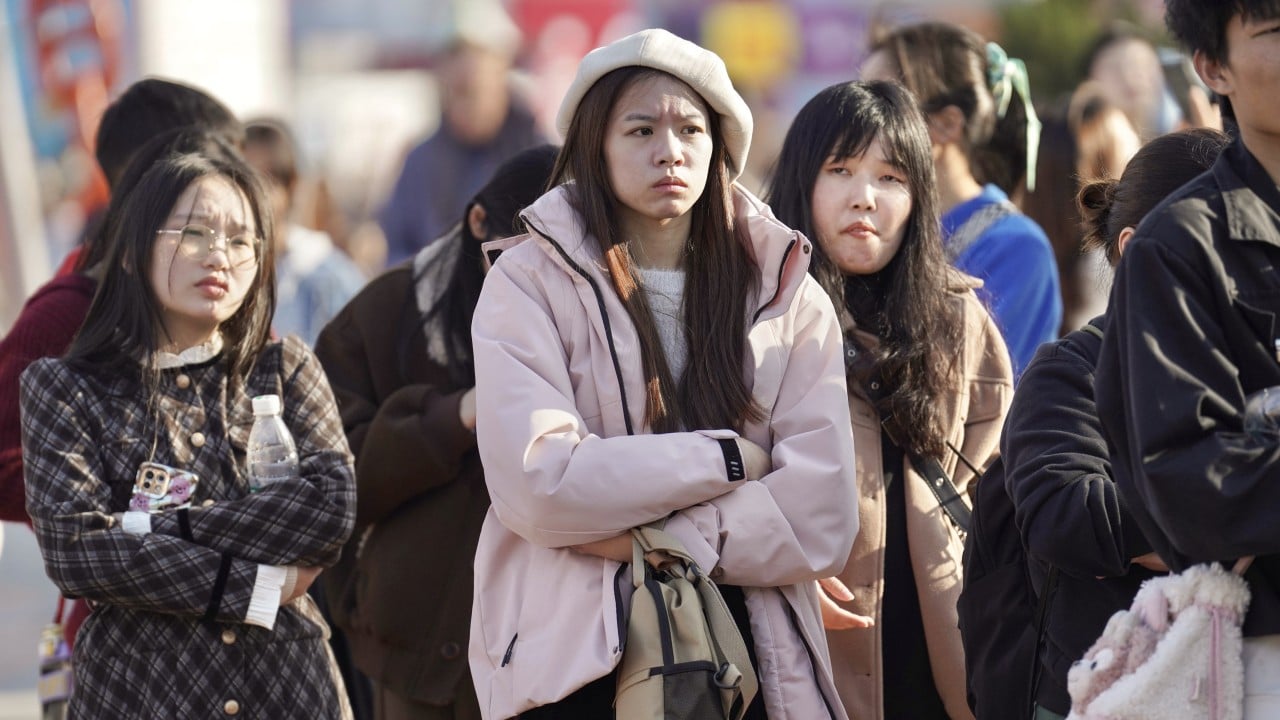
Hong Kong residents are bracing for a significant drop in temperatures as the city has issued its first cold weather warning of the season. The Hong Kong Observatory has forecasted that temperatures could plummet to as low as 12 degrees Celsius (53.6 degrees Fahrenheit) due to the arrival of a northeasterly monsoon. This weather shift marks a notable change from the relatively mild conditions experienced in the preceding days.
The cold weather warning was officially issued on January 1, 2026, at 10:07 AM UTC. The Observatory indicated that temperatures had previously ranged from 14 to 19 degrees Celsius over the weekend, but the forecast anticipates a sharp decline as the monsoon arrives. Residents are advised to prepare for the chilly conditions, which may affect daily activities and outdoor plans.
The impact of the cold weather warning is compounded by the city's ongoing efforts to manage health and safety during extreme weather events. The Hong Kong government routinely advises vulnerable populations, including the elderly and those with pre-existing health conditions, to take extra precautions during cold spells.
Moreover, the observatory's forecasts come amidst a broader pattern of fluctuating weather patterns in the region, highlighting the effects of climate variability. As cold air descends from the northeast, the city can expect not only lower temperatures but also possible wind chill, making conditions feel even colder.
Residents are encouraged to stay informed about the latest weather updates via the Hong Kong Observatory's official channels, and to dress warmly, especially during the night when temperatures are expected to drop significantly.
As Hong Kong prepares to navigate this colder weather, it remains essential for the public to heed safety advisories and to check on neighbors, particularly those who may be more susceptible to the effects of cold weather.
Background
Hong Kong has a subtropical climate that typically features mild winters, with average temperatures in January generally hovering around 15 degrees Celsius (59 degrees Fahrenheit). However, cold snaps, such as the one currently being experienced, are not uncommon and can occur due to shifts in prevailing weather patterns, including the influence of monsoons.
As the city approaches the peak of winter, this cold weather warning serves as a timely reminder of the need for preparedness in the face of seasonal shifts. While the temperature drop is moderate compared to colder regions, it can still pose challenges for those unaccustomed to such conditions.
In conclusion, with the arrival of the northeasterly monsoon, Hong Kong residents are urged to take the necessary precautions as the city experiences its first notable cold weather event of the season. The situation underscores the importance of community awareness and preparedness during significant weather changes.