
Himachal Pradesh Shivers Under Severe Cold Wave as Fresh Snowfall Blankets Higher Reaches
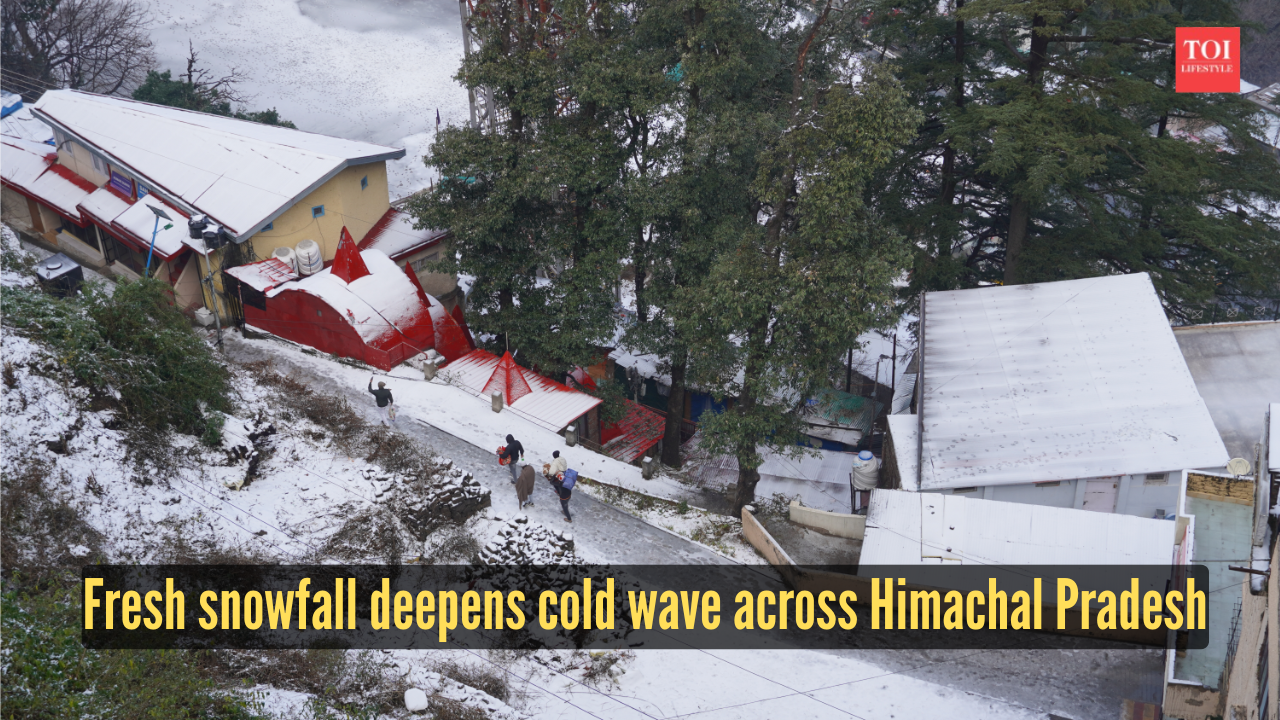
Shimla, India – Himachal Pradesh is reeling from an intense cold wave that has ushered in fresh snowfall across its higher elevations, plunging minimum temperatures to sub-zero levels and prompting authorities to issue a travel advisory for the remote Lahaul-Spiti district. The harsh winter conditions, which intensified as of January 5, 2026, have disrupted daily life, travel, and tourism in the northern Himalayan state.
The cold wave has tightened its grip statewide, with reports of dense fog, ground frost, and plummeting temperatures affecting plains and valleys alike. Higher reaches, including popular tourist spots, experienced fresh snowfall, adding to the scenic beauty but exacerbating mobility challenges. Tabo, a high-altitude village in Lahaul-Spiti, recorded the season's lowest temperature at minus 10.2 degrees Celsius, underscoring the severity of the freeze.
Local meteorological authorities have attributed the conditions to western disturbances—extratropical storm systems originating from the Mediterranean—that frequently impact northwest India during winter months. These systems bring moisture-laden winds that result in snowfall in the hills and cold waves in the foothills. The India Meteorological Department (IMD) has been monitoring the situation closely, with forecasts indicating sustained low temperatures over the next few days.
Impacts on Travel and Daily Life
The Himachal Pradesh administration responded swiftly by issuing a travel advisory for Lahaul-Spiti, one of the state's coldest and most isolated districts, advising commuters to exercise caution due to sustained winter severity. Roads leading to the region, including key passes like Rohtang and Kunzum, are prone to closures from snow accumulation, stranding vehicles and delaying essential supplies.
Tourism, a cornerstone of Himachal's economy, has taken a hit. Popular hill stations such as Manali, Kullu, and Shimla—gateways to adventure sports and winter getaways—have seen reduced visitor footfall amid the advisories. Hoteliers and tour operators report cancellations, though some adventure enthusiasts continue to flock for snow activities under guided supervision. "The fresh snow has made the landscapes breathtaking, but safety comes first," noted a local tourism official, highlighting the dual-edged nature of the weather.
Residents in lower elevations are battling dense fog that has reduced visibility to hazardous levels, leading to traffic snarls and increased accident risks on mountain roads. Ground frost has damaged standing crops, particularly apples and off-season vegetables, which form a vital part of the state's agricultural output. Farmers have resorted to protective measures like mulching and temporary shelters, but experts warn of potential yield losses if the cold persists.
Broader Context of Winter Weather in Himachal Pradesh
Himachal Pradesh, nestled in the lap of the Himalayas, experiences extreme winter variability due to its topography. Elevations range from 450 meters in the foothills to over 6,000 meters in the Trans-Himalayan regions, creating microclimates where snowfall is routine from December to February. The 2025-2026 winter season has followed a pattern seen in recent years, with early cold snaps linked to shifting jet streams influenced by La Niña conditions in the Pacific.
Historical data from the IMD shows that cold waves in Himachal often coincide with heatwaves in southern India, illustrating the country's diverse climate extremes. In 2023, a similar cold wave claimed lives and disrupted power supply across north India, prompting enhanced disaster preparedness. The state government has since invested in snow clearance equipment, early warning systems, and insulated shelters for livestock.
This year's event, rated as medium severity by weather trackers, aligns with IMD classifications where temperatures deviate 4-6.5 degrees Celsius below normal for two consecutive days. While not catastrophic, it underscores vulnerabilities in rural areas lacking central heating. Health officials have urged vulnerable populations—elderly, children, and those with respiratory issues—to stay indoors, dress in layers, and consume warm fluids to combat hypothermia risks.
Looking Ahead
Forecasts suggest the cold wave will linger through the week, with intermittent snowfall possible in mid-to-high altitudes. The IMD has issued yellow alerts for several districts, recommending minimal travel and preparedness for power outages. Relief efforts include distribution of woolens, blankets, and fuel by district administrations, particularly in tribal areas.
As Himachal Pradesh navigates this wintry assault, the focus remains on resilience. Enhanced infrastructure, such as all-weather roads under the Bharatmala project, aims to mitigate future disruptions. For now, the state embodies India's seasonal contrasts—where snow-capped peaks signal both peril and promise for the spring thaw ahead.
(Word count: 612)