
High Magnitude Earthquakes Rock Mexico, Prompting Safety Concerns
Mexico has experienced significant seismic activity in recent days, with a magnitude 6.5 earthquake striking Mexico City on January 2, 2026, and a smaller 2.9 magnitude quake occurring near Golfo de Santa Clara on December 30, 2025. The impact of these events has raised safety concerns among residents and officials alike.
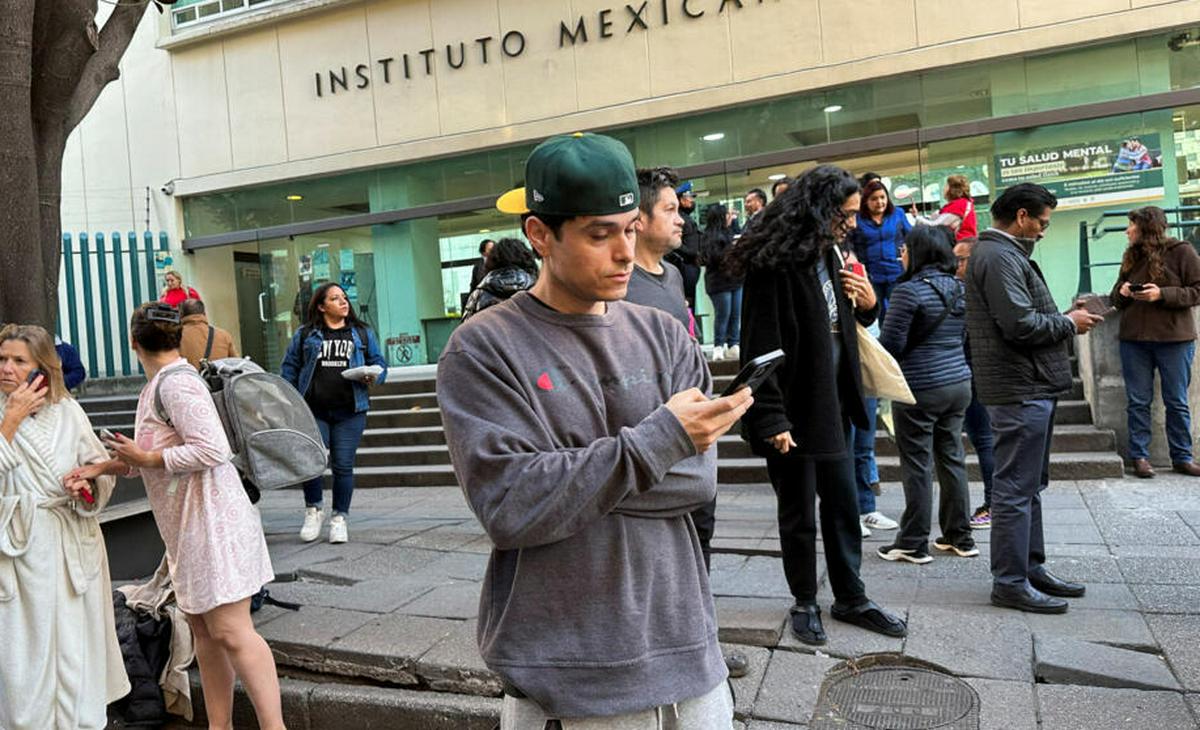
The earthquake in Mexico City occurred at approximately 14:02 UTC, prompting immediate evacuation measures including the suspension of a press briefing by President Claudia Sheinbaum. Reports indicate widespread alarm among residents, with many taking to the streets in response to the tremors. The quake's strength and location caused panic, particularly in urban areas where buildings swayed significantly.
Initial reports suggest that the earthquake resulted in at least one fatality in Mexico City, along with numerous injuries and structural damages. Emergency services have been deployed to assess the situation and provide support to those affected. In the aftermath, reports indicate that at least 854 aftershocks have been recorded, complicating recovery efforts and maintaining public anxiety about further seismic activity.
In the smaller event that occurred near Golfo de Santa Clara, a magnitude 2.9 earthquake struck at a depth of 5.7 kilometers. While this quake was less severe, it still contributed to the heightened awareness of seismic risks in the region, as the country has a long history of earthquakes and associated disasters.
Celebrities and ordinary citizens alike have shared their experiences during the earthquakes. Actress Kate del Castillo, for instance, described waking up to the alarm and rushing outside without shoes, reflecting the suddenness and unpredictability of the situation. Her experience highlights a broader sentiment shared by many who lived through the earthquake.
In addition to immediate responses, the Mexican government has urged residents to stay vigilant and prepared for potential aftershocks. Safety drills and educational campaigns are being recommended to better equip citizens for future seismic events.
Background on Seismic Activity in Mexico
Mexico is located on the Pacific Ring of Fire, an area with frequent earthquakes due to tectonic plate movements. The country's history is marked by devastating earthquakes, including the catastrophic events in 1985 and 2017, which resulted in significant loss of life and destruction. Current safety protocols and building codes have evolved in response to these past experiences, but the unpredictability of earthquakes continues to pose challenges for urban populations.
Conclusion
The recent earthquakes have served as a stark reminder of the seismic risks faced by Mexico. As the country grapples with the aftermath and prepares for possible aftershocks, the importance of disaster preparedness and community resilience is more crucial than ever. Authorities continue to monitor the situation closely, providing updates and support to affected populations.