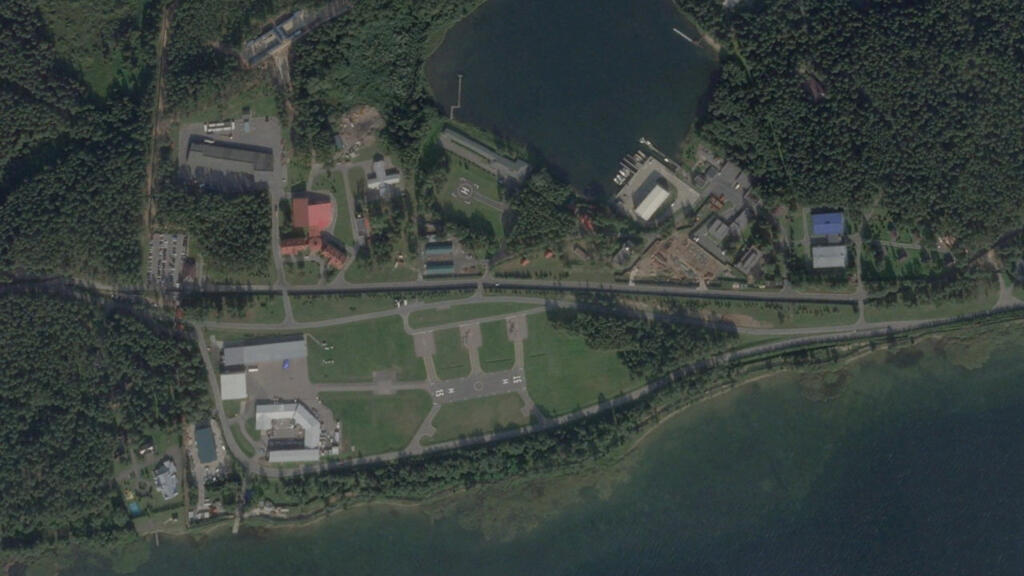

High Alert in Russia Following Drone Attack Amid Ukraine Tensions
Russia is on high alert following a drone attack that reportedly targeted one of President Vladimir Putin's residences in the Novgorod region. The incident, which occurred on December 31, 2025, heightens the already simmering tensions between Moscow and Kyiv amid the ongoing conflict that has persisted since February 2022.
According to statements from the Kremlin, 91 long-range drones were launched in what they described as a "personal attack against Putin." However, officials acknowledged that they have no tangible proof linking the attack to Ukraine, claiming that all drones were intercepted and shot down before they could reach their intended targets. This admission has raised questions regarding the Kremlin's narrative and its implications for the ongoing conflict with Ukraine.
The drone attack marks a significant escalation in hostilities, particularly given the context of the prolonged Russia-Ukraine war. Since the start of the conflict, both sides have engaged in various military tactics, including drone warfare, which has become increasingly common. The Kremlin's response to this latest incident is expected to be closely watched by international observers, given the potential for retaliatory actions that could further escalate the situation.
In the immediate aftermath of this attack, Russian officials vowed to retaliate, although specific details of their planned response remain unclear. The continued use of drone technology in warfare has introduced new dynamics into the conflict, with both countries now leveraging these capabilities for strategic advantages.
Kyiv has firmly denied any involvement in the drone attack, with Ukrainian officials stating that there is no evidence to support Moscow's claims. This denial reflects the ongoing complexities of information warfare that has characterized the conflict, where accusations and counter-accusations are prevalent.
The implications of this drone attack are manifold. For the Kremlin, the attack could serve as a rallying point to bolster domestic support for the war effort against Ukraine, framing it as a personal affront to President Putin. Conversely, for Ukraine, denying responsibility may be a strategic move to maintain international support while navigating the complexities of asymmetric warfare.
Background
Since the onset of the Russia-Ukraine war in February 2022, both nations have experienced significant upheaval. The conflict has resulted in a devastating humanitarian crisis, with thousands of casualties and millions displaced. The introduction of drone technology into the conflict has further complicated the battlefield, allowing for increased surveillance and targeted strikes.
As the war continues, the international community remains divided on how to address the conflict. Western nations have largely supported Ukraine with military aid and sanctions against Russia, while Moscow has sought to reinforce its position through military advancements and strategic alliances.
Conclusion
The drone attack on December 31 represents a critical moment in the ongoing conflict between Russia and Ukraine. As both sides navigate this new phase of warfare, the potential for escalation remains high. The international community will be closely monitoring developments in the region, as the repercussions of this incident could have far-reaching effects on diplomatic relations and military strategies moving forward.






