
Hidden Diplomatic Backchannels: Unraveling Secret Negotiations Amid Persian Gulf Strikes
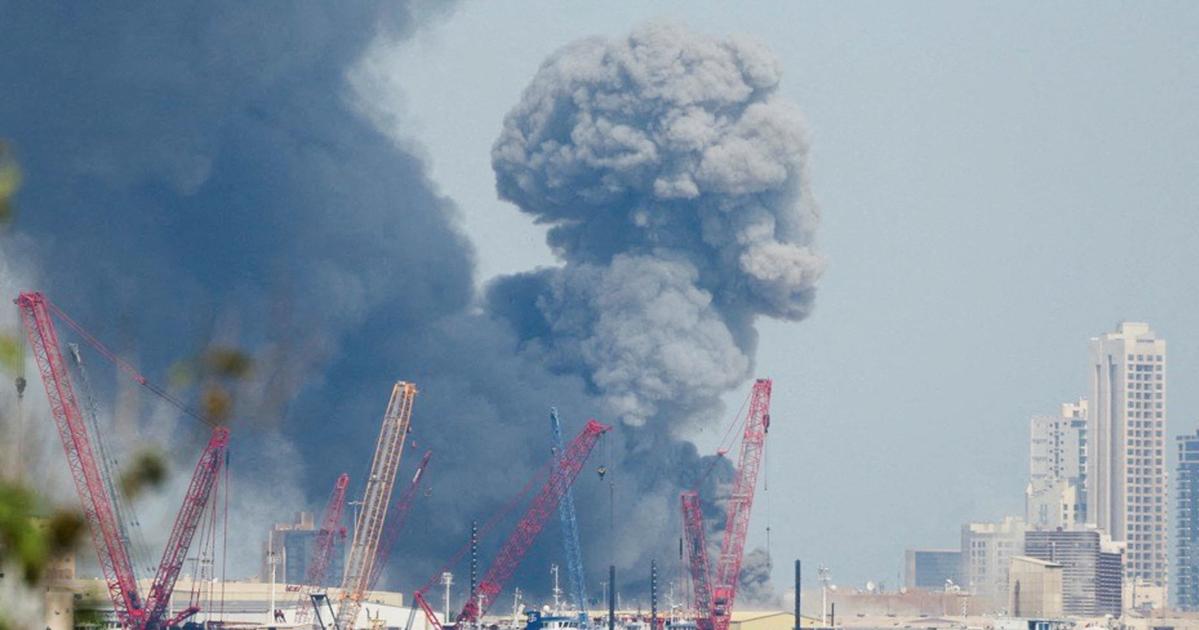
Explosions erupted in the Persian Gulf on March 12, 2026, as Iran intensified strikes on shipping routes, energy infrastructure, and desalination plants in Gulf states, driving oil prices above $100 per barrel. These attacks, confirmed by multiple sources, serve as retaliation for U.S. and Israeli actions, while unverified reports suggest covert diplomatic efforts through Oman or Qatar might offer a path to de-escalation amidst escalating tensions.
The Escalating Conflict
Iran's recent barrage, as reported by Iran International and France 24, targeted critical desalination plants vital for water supplies and ignited oil tankers, heightening fears of humanitarian crises and global energy shocks. Straits Times highlights strikes on March 11 that threatened the Strait of Hormuz, a key chokepoint, leading to what RFI describes as the 'largest oil shock in history.' This pattern of direct retaliation marks a shift from Iran's traditional proxy tactics.
Context and Background
Tensions escalated from initial ship attacks on March 1, 2026, to broader strikes by March 8 and 9, culminating in the March 11 assaults. This mirrors historical events like the 2019 tanker crises, where Oman facilitated backchannel diplomacy. Iran's strategy aims to force negotiations, drawing in U.S. allies and prompting reviews of American bases in the region, as noted by Straits Times.
Why This Matters and Looking Ahead
The potential for secret diplomacy via Oman or Qatar could deter further escalation by isolating Iran, offering Gulf states a way to address vulnerabilities like desalination plant attacks. Success might stabilize oil markets and reshape regional security, while failure could lead to harsher sanctions. Looking ahead, watch for UN mediation or bilateral ceasefires within a month, possible U.S. base adjustments, and a global shift toward reduced oil dependency through alternative energy sources.
This is a developing story and will be updated as more information becomes available. (Word count: 598)