
Heavy Snowfall Grips Sweden: Transport Chaos in Gothenburg Eases, but Northeast Faces Ongoing Disruptions
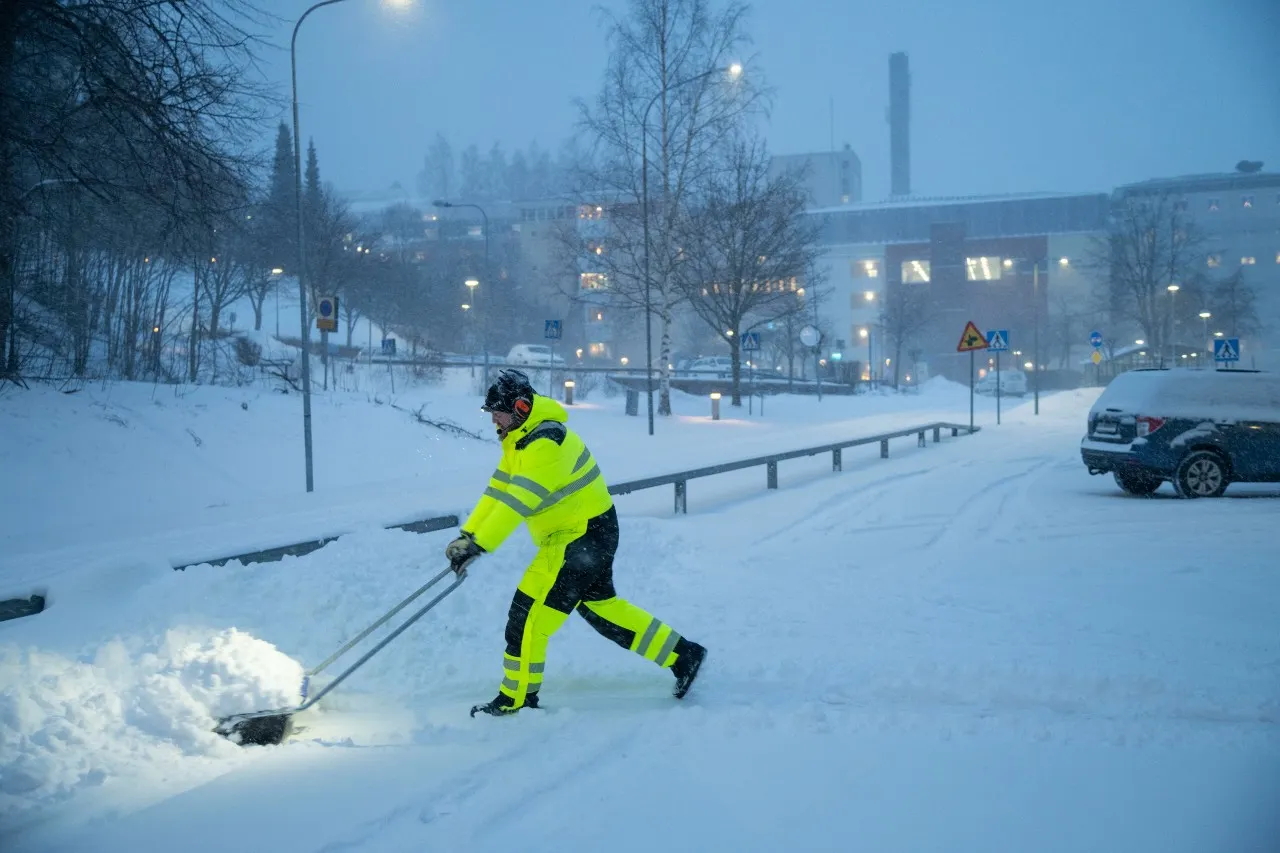
Gothenburg, Sweden – Heavy snowfall battered Sweden's west coast starting January 7, 2026, prompting an orange weather warning and the complete cancellation of trams and buses in Gothenburg. While the worst impacts have subsided in the region by January 9, severe weather continues to disrupt schools and transport along the northeast coast, with power outages from an associated storm marking the worst since 2005.
The intense snow event, rated as medium severity by weather authorities, began around 9:37 a.m. GMT on Wednesday, January 7. An orange warning – indicating significant risk to daily life – was issued for Sweden's west coast, including Gothenburg, the country's second-largest city. Public transport ground to a halt as snow accumulation made roads impassable, stranding commuters and halting urban mobility. This disruption underscored the vulnerability of Sweden's infrastructure to sudden winter onslaughts, even in southern regions unaccustomed to extreme northern-style blizzards.
By Friday, January 9, reports indicated that the peak of the snowfall had passed in the Gothenburg area. However, the effects lingered elsewhere. According to updates from The Local Sweden, cities along the northeast coast, particularly in Västernorrland county, remained under heavy snow's grip. Schools stayed closed in multiple municipalities, with transport networks severely affected. The article detailed a list of impacted areas where ongoing snow clearance efforts struggled to keep pace with accumulation, forcing extended shutdowns for safety.
Compounding the snow-related chaos was a powerful storm that caused widespread power outages across the country. Described as the most severe since 2005 – a year remembered for massive blackouts that left hundreds of thousands without electricity for days – the storm's winds and precipitation exacerbated the wintry conditions. In Västernorrland, where schools remained shuttered due to snow, the combination of these elements created a multi-faceted crisis, affecting heating, lighting, and emergency services in rural and coastal communities.
Sweden's meteorological landscape provides critical context for these events. The country, spanning from the temperate south to the Arctic north, routinely faces harsh winters, but early-year storms like this one are notable for their intensity and rapid shifts. Gothenburg, located on the Kattegat strait, typically sees milder weather influenced by the Gulf Stream, making the orange warning a rare escalation. In contrast, Västernorrland, along the Baltic Sea coast north of Stockholm, is more prone to heavy snow from northerly winds picking up moisture over the Bothnian Sea. The Swedish Meteorological and Hydrological Institute (SMHI) often issues color-coded warnings, with orange signaling potential for major disruptions, as seen here.
Historical parallels highlight the event's significance. The 2005 storm, known as "Gudrun," felled trees onto power lines, cutting electricity to over 1 million households and causing fatalities. Current outages, while not yet quantified in exact numbers from available reports, evoke similar concerns about grid resilience amid climate-driven weather extremes. Sweden has invested in hardened infrastructure post-2005, including underground cabling and rapid-response teams, but rural northeast areas remain challenging due to sparse population and terrain.
As of January 9, recovery efforts were underway. In Gothenburg, trams and buses resumed partial operations as plows cleared streets, allowing a return to normalcy. Northeast regions, however, faced prolonged closures, with parents advised to monitor local authority updates for school reopenings. Power restoration prioritized hospitals and essential services, though full recovery could take days.
Meteorologists anticipate stabilizing conditions over the weekend, but forecasters warn of lingering cold snaps that could refreeze cleared roads. Swedish authorities, including the Swedish Transport Administration (Trafikverket), urged residents to avoid unnecessary travel and prepare for potential further flurries. This episode serves as a reminder of Sweden's winter preparedness, with national guidelines emphasizing snow tires, emergency kits, and community support networks.
The interplay of snow, storm, and outages illustrates the cascading risks of severe weather in a Nordic nation where daylight is already short in January. While no fatalities have been reported from these specific events, the disruptions highlight ongoing challenges in balancing urban efficiency with rural resilience.
(Word count: 612)