
Heavy Snowfall Grips Sweden: Gothenburg Emerges from Chaos as Northeast Coast Faces Ongoing Disruptions
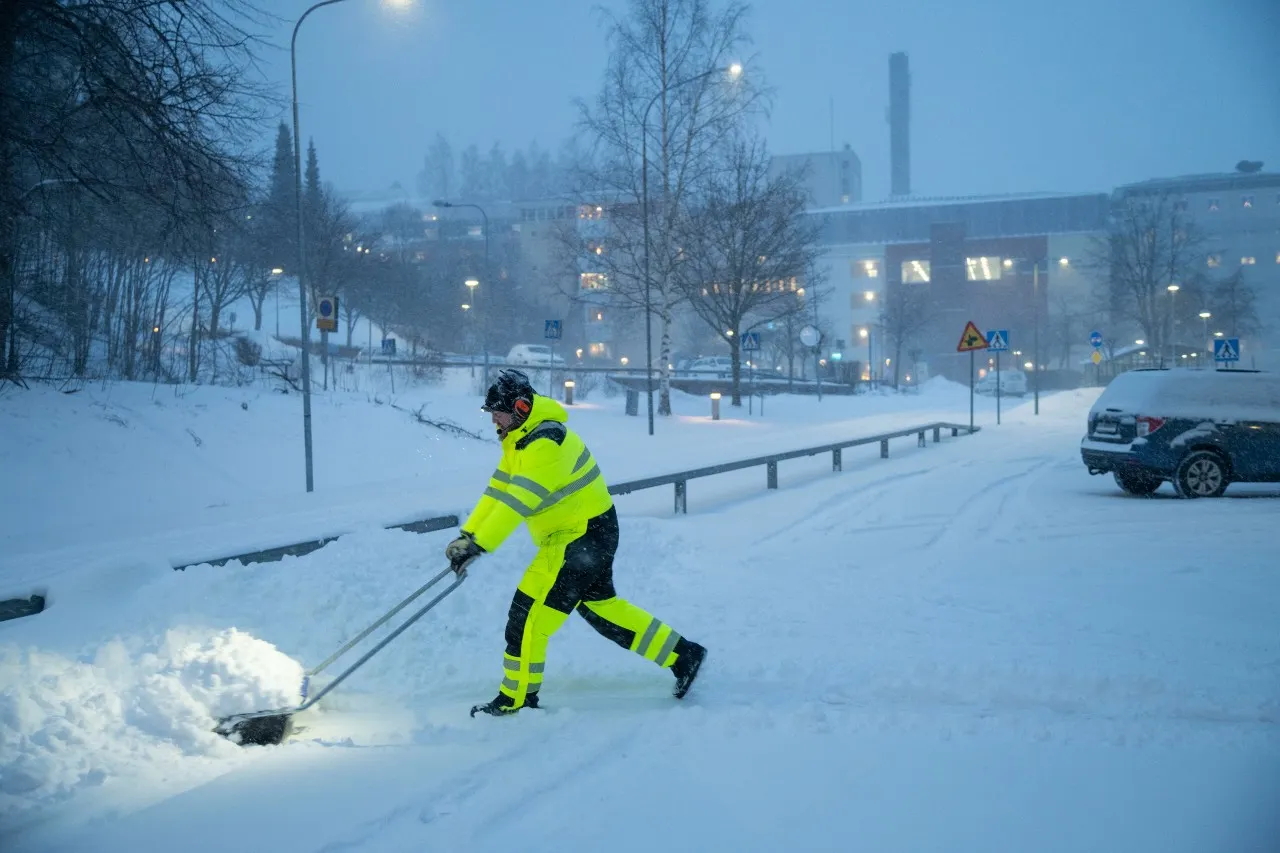
Gothenburg, Sweden's second-largest city, has begun recovering from a severe snowstorm that prompted an orange weather warning and halted all public trams and buses starting January 7, 2026. While the west coast breathes a sigh of relief, heavy snow continues to plague municipalities along Sweden's northeast coast, leading to school closures and transport disruptions as of January 9.
The snow event, rated as medium severity by weather monitoring services, struck Sweden's west coast on Wednesday, January 7, at approximately 9:37 GMT. An orange alert from the Swedish Meteorological and Hydrological Institute (SMHI)—indicating a risk of significant societal disruption—was issued for the region, including Gothenburg. Public transportation ground to a halt, with all trams and buses cancelled amid heavy snowfall that blanketed roads and infrastructure. This marked a major inconvenience for commuters and residents in the area, one of Sweden's most populous urban centers.
By Friday, January 9, reports indicated that the worst of the snowfall had passed in the Gothenburg region. According to updates from The Local Sweden, the intense phase of the storm had subsided on the west coast, allowing some normalization of services. However, the focus of disruptions had shifted eastward. Cities and municipalities along Sweden's northeast coast, particularly in Västernorrland county, remained under the snow's grip. Schools in Västernorrland were still closed on Friday due to unsafe conditions, part of a broader list of affected areas where both education and traffic were impacted.
Detailed assessments highlighted multiple municipalities grappling with the aftermath. The Local Sweden compiled a list of locations where schools remained shuttered and roads were hazardous, underscoring the persistent challenges in the northeast. Heavy snow accumulation not only closed educational facilities but also snarled road networks, complicating travel and emergency responses. While specific figures on closures were not detailed in initial reports, the ripple effects echoed across daily life, from delayed deliveries to strained local services.
This week's weather turmoil adds to a pattern of severe winter conditions in Sweden. The country, spanning from temperate southern coasts to Arctic north, routinely faces snow in January, but exceptional dumps can overwhelm even well-prepared infrastructure. SMHI's warning system, which escalates from yellow (minor risk) to orange (high risk) and red (extreme danger), played a crucial role in early alerts. The orange designation for the west coast on January 7 prompted swift action, including transport shutdowns, preventing potential accidents amid low visibility and icy surfaces.
Compounding the snow issues, a related storm has caused power outages described as the worst since 2005. Friday's news roundup from The Local Sweden noted that these blackouts, linked to stormy conditions, affected thousands, though exact connections to the snowfall were not specified. In northern regions like Västernorrland, the combination of snow and wind has exacerbated vulnerabilities, leaving some communities isolated. Historical context reveals that Sweden's 2005 Gudrun storm—a Category 2 extratropical cyclone—knocked out power to over 1.2 million households for days, setting a benchmark for such events. Current outages pale in scale but evoke similar concerns over grid resilience.
Sweden's response has emphasized safety and coordination. Local authorities in affected municipalities prioritized clearing major arteries and salting roads, while national agencies monitored forecasts. The shift in snow intensity from west to northeast reflects typical Scandinavian weather patterns, where low-pressure systems track across the Baltic Sea, dumping precipitation as snow on coastal areas. As of January 9, no fatalities or major injuries were reported from the snow alone, though the power disruptions posed risks, particularly for vulnerable populations.
Looking ahead, meteorologists anticipate a gradual easing in the northeast, with potential for lighter snow through the weekend. SMHI updates will be critical, as lingering effects could extend into next week. Gothenburg's recovery serves as a model, with public transport expected to resume incrementally. Officials urge residents to heed travel advisories, prepare for cold snaps, and support community efforts in cleanup.
This event underscores Sweden's ongoing battle with winter extremes amid a changing climate, where warmer air holds more moisture, potentially fueling heavier snow events in coastal zones. As the nation navigates these conditions, the focus remains on minimizing disruptions and safeguarding public welfare.
(Word count: 612)