Heavy Snowfall and Cold Snap Paralyze Parts of Germany, Disrupting Daily Life

Latest from X
Heavy Snowfall and Cold Snap Paralyze Parts of Germany, Disrupting Daily Life
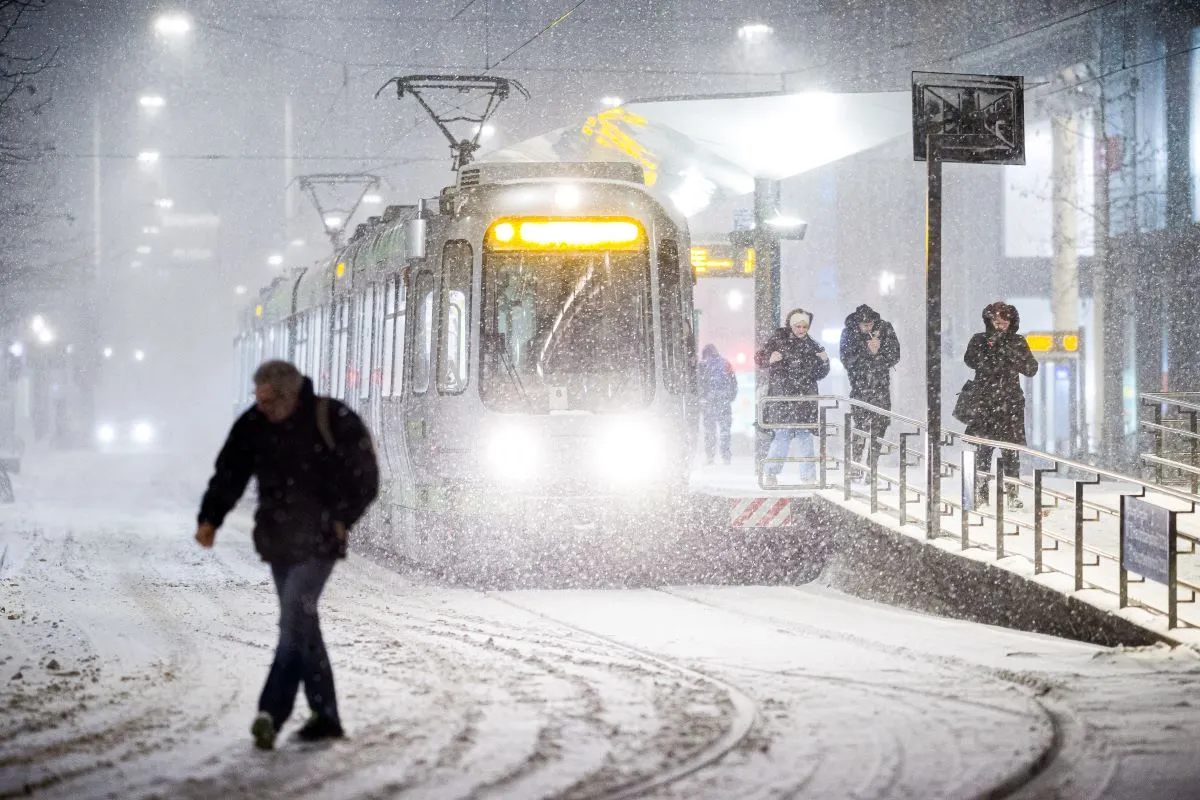
Berlin, Germany – Germany is in the grip of a medium-severity cold snap that has brought heavy snowfall, widespread frost, and icy conditions, paralyzing transportation and daily life in multiple regions since January 5, 2026. The extreme weather, which intensified over the past several days, has led to road closures, flight delays, and warnings from authorities as temperatures plummet.
The cold snap officially began on Monday, January 5, ushering in snow, frost, and ice that have created hazardous conditions for residents across the country. According to reports from The Local Germany, heavy snowfall has brought parts of the nation to a standstill, with accumulations making travel nearly impossible in affected areas. This comes amid broader news on Friday, January 9, where the weather event dominated headlines alongside political discussions on climate funding.
Details from meteorological updates indicate that the polar air mass responsible for the freeze has caused night-time lows reaching as low as -12°C in Berlin, with some locales dipping below -15°C over snow-covered ground. Germany's national weather service, Deutscher Wetterdienst (DWD), has described early January 2026 as unusually cold by modern standards, labeling it a "winter stress test" for the country's infrastructure. Power outages have been reported in conjunction with the storm, exacerbating challenges for households and businesses.
Transportation networks have been hit hardest. Major highways, including sections of the Autobahn, have seen closures due to black ice and snow drifts, while regional trains face delays and cancellations. Airports like Frankfurt and Munich have reported disruptions, with de-icing operations overwhelmed by the persistent wintry mix. In urban centers such as Berlin and Hamburg, sidewalks and streets remain treacherous, prompting local governments to deploy gritters and snow plows around the clock.
Posts found on X (formerly Twitter) reflect public frustration and concern, with users sharing images of snow-blanketed vehicles and warning of impending "snow chaos" from incoming storm systems. Sentiment on the platform highlights preparations for prolonged frost, including tips for staying warm and avoiding travel, though such reports remain inconclusive without official verification.
Background on Germany's Winter Vulnerabilities
Germany's temperate climate typically moderates winter severity, but episodes of polar air incursions are not uncommon. Historical precedents include the harsh winters of 2010 and 2021, when similar snowfalls led to widespread disruptions. The current event echoes early 2023 forecasts of deep freezes extending across Europe, as noted in archived weather discussions, though 2026's snap aligns with DWD's rare cold January classification.
Climate patterns play a role: A weakening polar vortex has allowed cold air to spill southward, a phenomenon increasingly variable amid global warming debates. Politically, the weather has intersected with calls from the Greens party for "climate money" to be distributed directly to citizens, as mentioned in Friday's news roundup. Proponents argue such funds could bolster resilience against extreme weather, though critics question timing amid unrelated controversies like Berlin's mayoral defense.
Infrastructure strains are evident. Germany's aging grid and road networks, designed for milder conditions, face tests from combined snow loads and freezing temperatures. Past events have exposed gaps in preparedness, leading to investments in weather-resilient systems post-2021. This year, federal and state emergency services have activated response plans, distributing salt supplies and coordinating with the Bundeswehr for heavy machinery support.
Impacts and Response Measures
Beyond mobility, the cold snap poses health risks, particularly for the elderly and homeless populations. Hospitals report upticks in hypothermia cases, while shelters in cities like Cologne and Stuttgart operate at capacity. Schools in heavily affected eastern and southern regions have closed, shifting to remote learning.
Authorities urge caution: The DWD has issued warnings for ongoing snowfall and storm lows through the weekend, advising against non-essential travel. Practical guidance includes layering clothing, checking vehicles for winter kits, and monitoring official apps for updates. Energy providers warn of potential demand spikes, reminiscent of past natgas shortages during freezes.
As of January 9, no fatalities have been widely reported, but the situation remains fluid. Thawing is not expected until mid-next week, per preliminary models.
Outlook: Prolonged Challenges Ahead
Meteorologists anticipate the cold snap persisting into late January, with potential for additional snow events tied to Atlantic storm influences. This could strain resources further, testing Germany's adaptive capacity. While not catastrophic, the paralysis underscores the need for robust winter protocols in an era of erratic weather.
Residents and officials alike are bracing for the long haul, with the event serving as a stark reminder of nature's unpredictability. Updates from the DWD and transport ministries will be critical as the freeze endures.
(Word count: 612)
Track this story live
Live World Map
Monitor global events in real time with a live activity map and hotspot summaries.
Global Disaster Tracker
View earthquakes, volcanoes, floods, weather, and wildfire clusters in one place.
Hurricane Tracker
Live hurricane and tropical storm tracking with storm paths, categories, and alerts.
Tornado Tracker
Track active tornado warnings, watches, and severe weather alerts across the United States.
Original Sources
- •Today in Germany: A roundup of the latest news on Friday— thelocal-germany
Editorial process: This article was synthesized from the original sources cited above using The World Now's AI editorial system, with byline accountability from our editorial team. We grade every story for source grounding, factual coherence, and on-topic match before publication. Read more about our editorial standards and contributors. Spot something inaccurate? Let us know.
Last updated: January 26, 2026