
Heavy Snow Disrupts Western Sweden: Orange Warnings Issued, Gothenburg Public Transport Halted
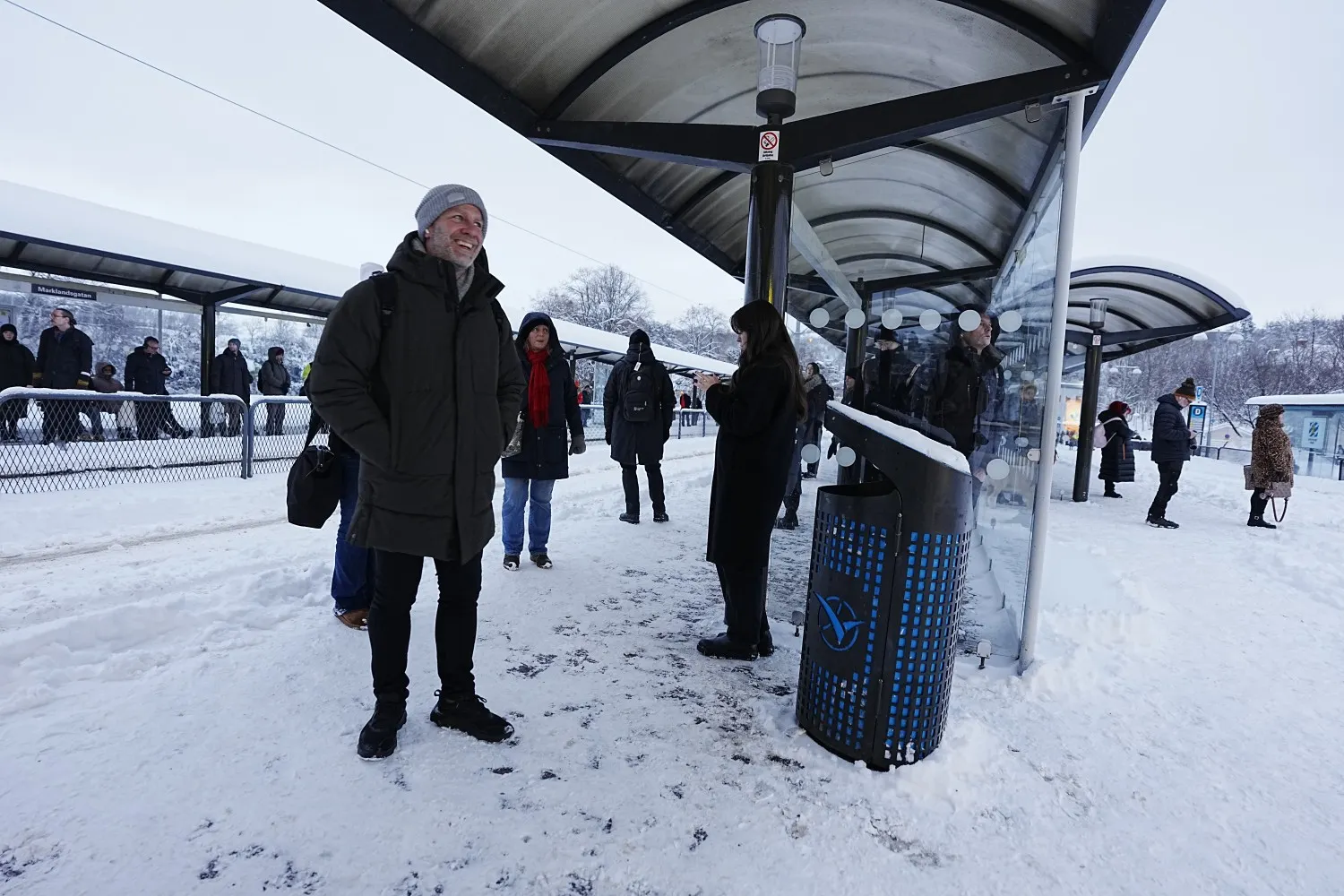
Gothenburg, Sweden – Heavy snowfall blanketed western Sweden on Wednesday, prompting the Swedish Meteorological and Hydrological Institute (SMHI) to issue an orange weather warning for the west coast region, including the major city of Gothenburg. Local authorities have urged residents to avoid unnecessary travel, while all trams and buses in Gothenburg have been suspended due to hazardous conditions.
The disruptions began early Wednesday, with large amounts of snow accumulating across the area. SMHI's orange warning, indicating significant risk to transportation and daily life, covers the west coast and anticipates further snowfall throughout the day. Public transport operator Västtrafik announced the cancellation of all trams and buses in Gothenburg, citing poor road conditions as the primary concern. "People in the area are being told to not take unnecessary journeys," according to reports from Radio Sweden.
In Gothenburg, Sweden's second-largest city and a key port on the Baltic Sea, the snow has led to widespread travel chaos. The Local Sweden reported that authorities are advising residents to "avoid travel if you can," emphasizing the potential for more snow to exacerbate the situation. SMHI has issued multiple warnings as accumulations continue, highlighting risks such as slippery roads, reduced visibility, and potential power outages in vulnerable areas.
This event marks a medium-severity weather incident, with the orange alert underscoring its impact on infrastructure. While snow is a regular feature of Swedish winters, particularly in January when temperatures often hover around freezing, sudden heavy dumps like this one can overwhelm even well-prepared northern European cities. Gothenburg, home to over 600,000 residents in its metropolitan area, relies heavily on an efficient public transport network, making the shutdown particularly disruptive for commuters, students, and essential workers.
Impacts and Response
The immediate effects have rippled through daily life in western Sweden. Västtrafik's decision to halt services affects tens of thousands of daily users, forcing many to resort to private vehicles, walking, or remote work where possible. Road maintenance crews have been deployed, but ongoing snowfall has slowed plowing efforts. No major accidents or injuries have been reported as of Wednesday afternoon, though emergency services remain on high alert.
SMHI's forecasting models predict continued precipitation into the evening, with snow depths potentially reaching 10-20 centimeters in some spots by Thursday morning. The orange warning is part of Sweden's tiered alert system, where green signals minor issues, yellow indicates potential problems, orange warns of high likelihood of disruption, and red denotes extreme danger. This level of alert is relatively rare for coastal areas but aligns with broader Nordic weather patterns this season.
Regional authorities in Västra Götaland County, which includes Gothenburg, have activated contingency plans. Schools and non-essential services may shift to remote operations if conditions worsen, drawing from experiences during past winter storms. In 2018, a similar snow event paralyzed southern Sweden, leading to stranded travelers and economic losses estimated in the millions of kronor.
Background on Swedish Winter Weather
Sweden's west coast typically experiences mild winters influenced by the Gulf Stream, with average January temperatures in Gothenburg around 1-2°C (34-36°F) and snowfall averaging 20-30 cm annually. However, Arctic air masses periodically push southward, delivering intense snow bands. Climate data from SMHI indicates that while overall precipitation has increased slightly due to warming trends, extreme events like this week's remain tied to natural variability.
This storm follows a pattern observed across Scandinavia this winter, where a series of low-pressure systems have brought wetter-than-average conditions. Neighboring Norway and Denmark have also reported disruptions, though Sweden's interior and northern regions, accustomed to heavier snow, have been less affected so far.
Outlook
As of Wednesday evening, SMHI expects the orange warning to persist through the night, with a gradual easing possible by Thursday if precipitation tapers. Västtrafik has not announced a resumption timeline for services, advising passengers to check updates via their app. Residents are encouraged to prepare for potential isolation, stocking essentials like food, water, and medications.
Meteorologists note that while the immediate threat is manageable, the event underscores Sweden's vulnerability to winter weather amid a busy season for shipping and logistics in Gothenburg's vital harbor. Full recovery of transport networks could take 24-48 hours, depending on clearance efforts and melt forecasts as temperatures stabilize.
This episode serves as a reminder of the challenges posed by Sweden's variable climate, where rapid shifts from rain to snow can catch even seasoned residents off guard. Updates from SMHI and local authorities will be critical as the situation evolves.
(Word count: 612)