
Heavy Snow Blankets Netherlands, Triggering Fourth Day of Flight Cancellations and Transport Chaos at Schiphol
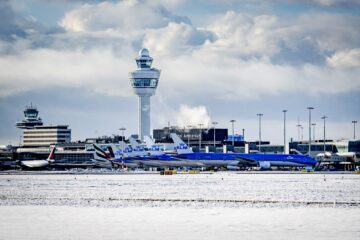
Amsterdam, Netherlands – Wintry conditions gripping the Netherlands have entered their fourth consecutive day of major disruptions, with up to 10 centimeters of snow falling across the country and severely impacting Amsterdam's Schiphol Airport, the nation's busiest aviation hub. Around 200 flights were canceled amid the chaos, while hundreds more faced delays, stranding thousands of passengers as of January 7, 2026.
The severe weather event, which began on January 2, has transformed the typically mild Dutch winter landscape into a snowy standstill. Schiphol Airport, one of Europe's top five busiest airports handling over 70 million passengers annually in peak years, canceled two-thirds of its scheduled flights on Wednesday alone. Trains and bus services nationwide have also been heavily disrupted, exacerbating travel woes during what should be a routine post-holiday period.
Reports from DutchNews.nl highlight the escalating impact, noting that the snow accumulation—reaching up to 10 cm in some areas—has persisted despite efforts by airport and transport authorities to clear runways and roads. "This is the fourth day of delays," the report states, underscoring the prolonged nature of the disruptions that started last Friday. Passengers at Schiphol have reported long waits, limited de-icing operations, and overcrowded terminals, with ripple effects felt across Europe as connecting flights are grounded.
The disruptions come at a critical time for Schiphol, which has been recovering from previous challenges including staff shortages and post-pandemic travel surges. In 2025, the airport managed over 60 million passengers, but extreme weather events like this one expose vulnerabilities in its infrastructure designed primarily for rain and wind rather than sustained snow. The Royal Netherlands Meteorological Institute (KNMI) issued warnings earlier in the week for "wintry showers" turning into heavier snowfall, with temperatures hovering around freezing and gusty winds complicating snow removal.
Widespread Transport Disruptions Beyond Aviation
The snow's toll extends far beyond the airport's tarmac. Rail operator NS reported widespread cancellations and delays on major lines, including those connecting Amsterdam to Rotterdam, Utrecht, and Eindhoven. Bus services in urban centers like The Hague and Groningen faced similar issues, with salted roads proving insufficient against the fresh falls. Road accidents spiked due to black ice, prompting police to urge motorists to stay off the roads unless essential.
In rural areas, particularly the northern provinces of Friesland and Groningen, snow drifts up to 15 cm in places have isolated communities and delayed emergency services. Schools in affected regions closed for a second day, and waste collection services were postponed. The Dutch government activated its national winter response plan, deploying extra gritting teams and coordinating with the military for heavy snow-clearing equipment.
This event aligns with a broader pattern of unusual winter weather in Western Europe. Early 2026 has seen cold snaps fueled by a disrupted polar vortex, bringing Arctic air southward. The Netherlands, with its low-lying polders and extensive canal systems, is particularly susceptible to even moderate snowfalls, as waterlogged ground freezes into treacherous sheets. Historical precedents include the 2010 "Snowmageddon" that paralyzed the country for days and the 1991 cold wave, which caused similar aviation halts.
Airport and Authority Responses
Schiphol's operator, Royal Schiphol Group, issued statements prioritizing safety, with spokesperson Nick van den Burg noting, "We are working around the clock with airlines and ground handlers to resume operations as swiftly as possible." Airlines including KLM, the airport's flagship carrier, canceled flights to major destinations like London, Paris, and New York. Passengers were advised to check apps for real-time updates, with many offered vouchers or rebookings.
The KNMI forecasts a gradual thaw by Thursday, January 8, with temperatures rising above freezing and lighter precipitation shifting to rain. However, residual snow and ice could prolong disruptions into the weekend. Transport Minister Cora van Nieuwenhuizen called for patience, emphasizing investments in resilient infrastructure following lessons from past events.
Broader Context and Implications
The Netherlands' transport network is a cornerstone of its economy, with Schiphol serving as a vital gateway for trade and tourism. Daily flight volumes typically exceed 1,300 takeoffs and landings, making cancellations of this magnitude—equivalent to roughly 200 flights on peak days—a significant economic hit. Estimates from industry analysts suggest daily losses in the tens of millions of euros from stranded cargo, missed connections, and hotel overbookings.
Climate data from the KNMI indicates that while average winter snowfall has decreased due to warming trends, extreme events are becoming more intense and unpredictable. This week's weather follows a mild December 2025, highlighting the volatility of Europe's changing climate patterns.
As cleanup efforts intensify, authorities anticipate a return to normalcy within 48 hours, but travelers are urged to plan ahead. The incident serves as a stark reminder of the Netherlands' vulnerability to wintry extremes, prompting calls for enhanced winter preparedness measures ahead of future seasons.
(Word count: 682)