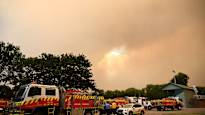

Heatwave Ignites Major Bushfires in Victoria, Australia, Triggering Power Outages for 40,000 Households and State of Emergency
Melbourne, Australia – January 10, 2026 – A severe heatwave sweeping southeastern Australia has sparked significant bushfires in Victoria state, scorching more than 3,000 hectares near the towns of Longwood and Walwa. The blazes, which began on January 8, have led to widespread power disruptions affecting nearly 40,000 households and prompted authorities to declare a state of emergency.
The fires erupted amid extreme temperatures, exacerbating conditions in a region already vulnerable to bushfire outbreaks during the Southern Hemisphere's summer. Victoria's emergency services reported the incidents as high severity, with flames threatening rural communities and infrastructure. Power outages were reported across kaakkoisosissa (southeastern) parts of the state, leaving tens of thousands without electricity as firefighting efforts strained the grid.
Escalating Fire Conditions and Emergency Response
The bushfires near Longwood, approximately 130 kilometers northeast of Melbourne, and Walwa, close to the New South Wales border, quickly expanded due to dry fuels, strong winds, and record heat. The precise ignition time was logged at 03:34 GMT on Thursday, January 8, though local reports indicate rapid escalation under the heatwave's influence. Firefighters have been battling spot fires and ember attacks, with containment efforts ongoing as of January 10.
Victorian authorities responded decisively by declaring a state of emergency, enabling the mobilization of additional resources including aerial tankers and ground crews. Power distributor AusNet, responsible for much of the affected network, confirmed outages impacting nearly 40,000 properties. Restoration efforts are underway, but officials warned that full recovery could take days amid ongoing fire risks.
No fatalities or injuries have been reported from the provided updates, but evacuations were ordered in proximity to the firegrounds. The Country Fire Authority (CFA) and other agencies urged residents to monitor warnings and prepare for potential worsening conditions.
Broader Context of Australia's Bushfire Season
Australia's 2025-2026 bushfire season has been marked by above-average temperatures and prolonged dry spells, consistent with patterns linked to climate variability. Victoria, home to over 6.5 million people, experiences frequent fires due to its eucalyptus-dominated landscapes, which produce highly flammable leaf litter and bark. The 2019-2020 Black Summer fires, which burned 18.6 million hectares nationwide and killed 34 people, remain a stark reminder of the potential scale.
This season's heatwave, peaking in early January, aligns with forecasts from the Bureau of Meteorology warning of elevated fire danger ratings across southern states. Similar conditions contributed to early-season fires in New South Wales and South Australia, though Victoria's current blazes represent one of the most significant outbreaks to date.
Federal and state governments have allocated additional funding for fire management, including prescribed burns and upgraded detection technology. However, critics have noted gaps in fuel reduction efforts following wetter years that promoted heavy vegetation growth.
Impacts and Challenges Ahead
The power outages have disrupted daily life, affecting heating, refrigeration, and telecommunications in rural areas. Local businesses near Longwood and Walwa, including farms and small towns, face economic strain from smoke damage and access restrictions. Air quality has deteriorated, prompting health advisories for vulnerable populations.
Fire agencies project challenging conditions persisting through the weekend, with a slight cooling trend expected mid-week. Total fire area estimates exceed 3,000 hectares, though precise mapping continues via satellite and ground assessments.
In a statement reflected in international coverage, Victorian emergency management officials emphasized community resilience: preparations from previous seasons have mitigated worse outcomes, but vigilance remains critical.
Outlook: Monitoring for Further Spread
As crews work to establish containment lines, meteorologists forecast moderating winds that could aid suppression. However, any rebound in temperatures risks new ignitions. Interstate support from Queensland and Tasmania firefighters bolsters Victoria's response capacity.
This event underscores Australia's ongoing battle with extreme weather, with implications for insurance claims, agricultural losses, and national disaster preparedness. Residents are advised to stay informed via official channels like the VicEmergency app, as the situation evolves.
(Word count: 612)