
Heatwave Fuels Destructive Bushfires in South Australia, Destroying Homes and Leaving Tens of Thousands Without Power
Sydney, Australia – A severe heatwave sweeping South Australia has ignited multiple bushfires, prompting high-level alerts and causing widespread destruction, including the razing of homes and power outages affecting tens of thousands of residents as of January 10, 2026.
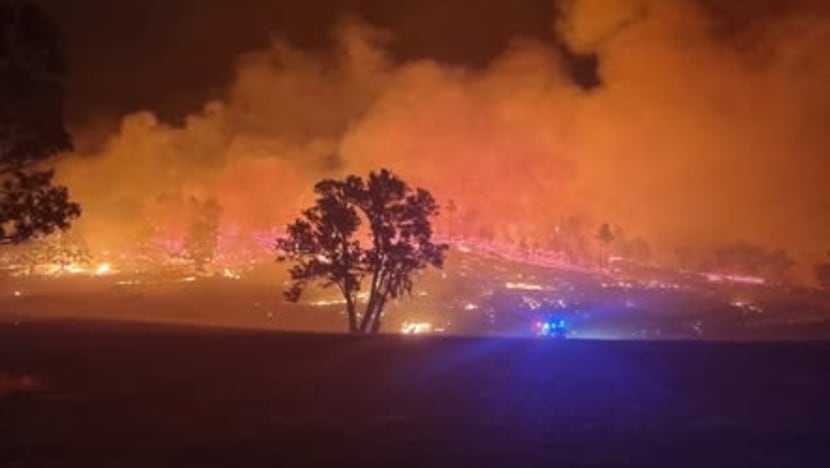
The crisis escalated on January 7, when authorities issued bushfire alerts across parts of South Australia due to extreme fire risk exacerbated by the ongoing heatwave. By January 10, the fires had intensified, destroying multiple homes and cutting electricity to tens of thousands, according to reports from Channel News Asia. Emergency services have been mobilized, with evacuation orders in place for at-risk communities, as dry conditions and high winds continue to fan the flames.
The bushfire alerts were triggered amid record-breaking temperatures in South Australia, where the heatwave has created ideal conditions for rapid fire spread. Fire danger ratings reached "high" severity levels, prompting warnings from state emergency services. Residents in affected areas were urged to activate their bushfire survival plans, with total fire ban declarations in place to curb ignition sources.
Escalating Impact and Emergency Response
As the fires progressed over the weekend, the destruction became more apparent. Reports indicate that bushfires razed several homes in rural and semi-rural areas, forcing evacuations and straining firefighting resources. Power infrastructure was severely impacted, leaving tens of thousands without electricity amid temperatures soaring above 40°C (104°F) in some regions. Restoration efforts are underway, but officials have warned that full recovery could take days, depending on weather patterns.
South Australia's State Emergency Service (SES) and Country Fire Service (CFS) have deployed hundreds of firefighters, water bombers, and heavy machinery to contain the blazes. Incident controllers have described the situation as "dynamic and unpredictable," with multiple fire fronts active. Road closures and flight restrictions have been implemented near firegrounds to ensure safety for both responders and civilians.
No fatalities have been reported as of the latest updates, but the human toll is mounting. Displaced residents are sheltering in evacuation centers, and authorities are conducting welfare checks. The economic impact includes damage to agricultural lands, livestock losses, and disruptions to local businesses.
Historical Context of Australian Bushfires
Australia's bushfire season, typically peaking from late spring through summer, has long posed a significant threat due to the country's vast arid landscapes, eucalyptus forests that burn intensely, and climate patterns like El Niño, which bring hot, dry weather. South Australia, with its Mediterranean climate of hot summers and low rainfall, is particularly prone to such events.
This outbreak echoes the devastating "Black Summer" bushfires of 2019-2020, which scorched over 18 million hectares across eastern states, killed 33 people, and destroyed more than 3,000 homes. That season prompted a royal commission that recommended improved hazard reduction burns, better early warning systems, and climate adaptation measures. More recently, fires in 2023-2024 affected Western Australia and New South Wales, underscoring the persistent risk.
Climate data from the Bureau of Meteorology shows that South Australia's January 2026 heatwave aligns with a trend of warmer-than-average summers. Average maximum temperatures have risen by about 1.5°C since 1910, correlating with longer fire seasons and higher intensity blazes. The 2026 event coincides with a La Niña phase transitioning to neutral conditions, which can still amplify heatwaves in southern regions.
Federal and state governments have invested in aerial firefighting fleets and satellite monitoring since previous crises. The National Aerial Firefighting Centre has been active, providing rapid response capabilities. However, experts note that urban expansion into fire-prone areas—known as the wildland-urban interface—complicates containment efforts.
Outlook and Broader Implications
As of January 10, forecasts indicate easing winds but persistent high temperatures, raising concerns for further flare-ups. The CFS has warned of potential "catastrophic" fire danger ratings if conditions worsen. Long-range predictions suggest the heatwave may linger into mid-January, prolonging the threat.
Authorities are urging the public to stay informed via official apps and websites, avoid travel through affected areas, and prepare emergency kits. Relief funds have been activated, with Prime Minister Anthony Albanese's office pledging federal support for recovery.
This bushfire event highlights ongoing challenges in Australia's fire management amid climate variability. While immediate containment efforts show progress, the full extent of damage will emerge in coming days. Monitoring by real-time satellite imagery and ground teams will be critical as the situation evolves.
(Word count: 612)