
Heatwave-Fueled Bushfires Rage Across Victoria, Threatening Homes and Major Cities
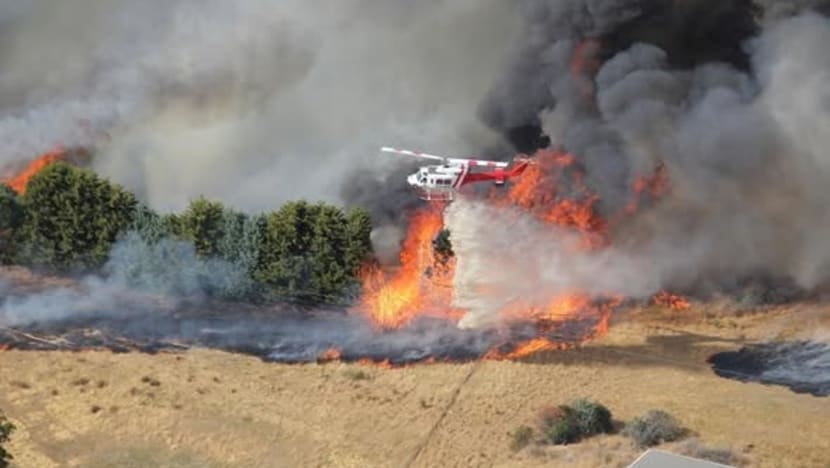
Melbourne, Australia – A severe heatwave gripping southeastern Australia has ignited major bushfires in Victoria state, scorching more than 3,000 hectares near the towns of Longwood and Walwa and prompting widespread evacuation warnings for millions, including residents of Sydney and Melbourne.
The fires erupted on January 8, 2026, amid blistering temperatures that have exacerbated dry conditions across Victoria and neighboring New South Wales (NSW). Firefighters have described the situation as "hectic," with blazes rapidly destroying homes and threatening property on a massive scale. Authorities have issued "catastrophic" and "extreme" fire danger ratings across all regions of Victoria, urging the public to brace for "property loss or worse."
Escalating Crisis in Victoria's Heartland
The blazes near Longwood, approximately 150 kilometers northeast of Melbourne, and Walwa in the state's northeast have grown aggressively, fueled by high winds and tinder-dry vegetation. Emergency services reported the fires had already exceeded 3,000 hectares by early Friday, with containment efforts hampered by the ongoing heatwave. In Victoria, a state prone to such events due to its eucalyptus-dominated landscapes and variable weather patterns, the combination of record heat and low humidity has created ideal conditions for rapid fire spread.
Channel News Asia reported that firefighters are battling multiple fronts, warning of a "hectic" scenario as resources are stretched thin. Residents in affected rural areas have been ordered to evacuate, with reports confirming homes have already been lost to the flames. The BBC highlighted the dire forecasts, noting that fire warnings encompass the entire state, from coastal areas to inland districts, signaling one of the most widespread threats in recent memory.
Across the border in NSW, alerts have extended to Sydney, Australia's largest city, where over five million people reside. Melbourne, Victoria's capital with a population exceeding five million, is also on high alert, though not yet directly engulfed. Highways and backroads leading out of fire zones have seen heavy traffic as families flee, with authorities establishing relief centers in safer urban areas.
Broader Alerts and Emergency Response
Millions across Australia's two most populous states—Victoria and NSW—have been placed on high alert. The Victoria State Emergency Service (VICSES) and NSW Rural Fire Service (RFS) have mobilized thousands of firefighters, water bombers, and heavy machinery. "Conditions are extreme, and we're seeing fire behavior we've prepared for but hope never to face," a spokesperson for the CFA (Country Fire Authority) stated in updates echoed by both sources.
Power outages have affected thousands, and air quality has plummeted in major cities due to thick smoke plumes visible from space. Schools and non-essential services in fire-prone areas have shuttered, while hospitals prepare for influxes of smoke inhalation cases and injuries.
Historical Context and Climate Factors
Australia's bushfire season typically peaks from late spring through summer (September to March), driven by hot, dry weather patterns influenced by the El Niño-Southern Oscillation (ENSO). The current heatwave echoes the devastating "Black Summer" fires of 2019-2020, which burned 18.6 million hectares, killed 34 people, and destroyed over 3,000 homes across similar regions. That event prompted a royal commission that recommended better early warning systems and fuel reduction burns—measures now under strain amid the 2026 outbreak.
Scientists link intensifying heatwaves and prolonged droughts to climate change, with Australia's Bureau of Meteorology recording temperatures 10-15 degrees Celsius above average this week. The Indian Ocean Dipole, in a positive phase, has further suppressed rainfall, leaving soils parched and forests highly flammable.
Outlook: Prolonged Threat Ahead
As of January 9, 2026, no lives have been reported lost, but the situation remains fluid. Forecasts predict easing winds over the weekend, potentially aiding containment, but another heat surge is expected early next week. Fire agencies warn that without significant rainfall—unlikely in the short term—the fires could persist for weeks, mirroring past prolonged events.
Federal and state governments have pledged additional resources, including defense force support for logistics. Prime Minister Anthony Albanese addressed the nation, emphasizing community resilience: "We've been here before, and we'll get through this together." International aid offers from New Zealand and Canada are on standby, recalling global solidarity during previous crises.
Residents are urged to monitor official apps like VicEmergency and NSW Fires Near Me, stay hydrated, and avoid travel unless evacuating. With the fire season just beginning, this outbreak serves as a stark reminder of Australia's vulnerability to extreme weather in an era of climatic shifts.
(Word count: 682)