
Heatwave-Fueled Bushfires Devastate Victoria, Australia, with Blazes Set to Rage for Weeks
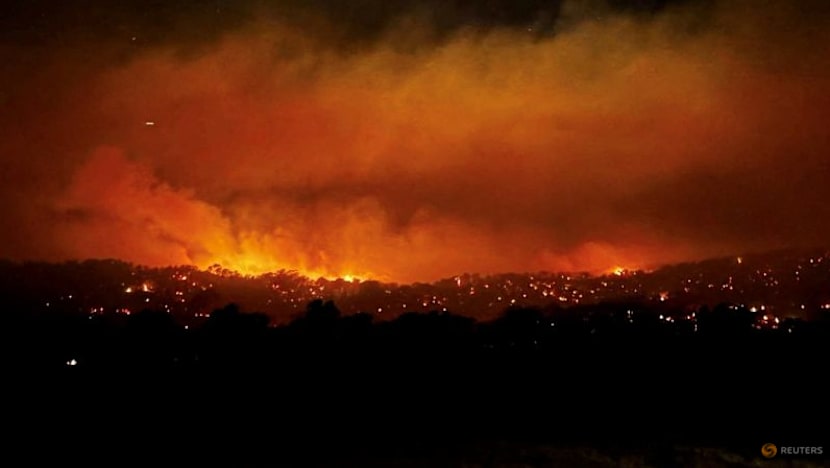
MELBOURNE, Australia — A severe heatwave sweeping through southeastern Australia has ignited major bushfires in Victoria state, scorching over 130,000 hectares of land and threatening communities near Longwood and Walwa. Authorities warn that the largest blazes could burn out of control for weeks, amid extreme weather conditions that began escalating on January 8, 2026.
The fires, which started early on Thursday, January 8, have rapidly expanded due to record-breaking temperatures and dry conditions. One of the most significant blazes, located approximately 112 kilometers north of Melbourne, has already consumed around 130,000 hectares of bushland. This fire has destroyed at least 30 structures, including homes, vineyards, and agricultural land, marking a substantial blow to local economies reliant on farming and wine production in the region.
Victoria's rural northeast, including areas around Longwood and Walwa, has been particularly hard-hit. Initial reports indicate these fires have exceeded 3,000 hectares in total spread, with high severity ratings prompting emergency responses. The combination of intense heat from the ongoing heatwave—described as one of the hottest starts to the year in decades—and strong winds has fueled the fires' rapid growth, creating dangerous conditions for firefighters.
Escalating Fire Conditions and Emergency Measures
Australian fire authorities, including the Country Fire Authority (CFA) and VicEmergency, have classified the situation as critical. Officials have stated that the fires are unlikely to be contained soon, with predictions that they could continue burning uncontrollably for weeks. This outlook is based on persistent dry fuels, elevated temperatures forecasted to exceed 40°C (104°F) in coming days, and minimal rainfall in the forecast.
Evacuation orders have been issued for residents in fire-prone areas near Longwood, a small town in the Strathbogie Ranges, and Walwa, located further northeast along the Murray River border with New South Wales. Relief centers have been established in nearby towns like Seymour and Wodonga to accommodate displaced residents. Fire crews from across Victoria and interstate have been mobilized, employing aerial water bombing and backburning techniques to establish containment lines.
The destruction extends beyond immediate structural losses. Vineyards in the Nagambie and Rutherglen wine regions, key contributors to Australia's renowned wine industry, have suffered significant damage. Agricultural lands used for livestock grazing and crop production have also been impacted, raising concerns about food supply chains and economic recovery in the short term.
Historical Context of Victoria's Bushfire Season
Bushfires are a natural part of Australia's ecosystem, particularly during the southern hemisphere's summer months from November to March. Victoria has a long history of devastating fires, with events like the 2009 Black Saturday bushfires killing 173 people and burning over 450,000 hectares. More recently, the 2019-2020 Black Summer fires across eastern Australia charred millions of hectares nationwide, destroying thousands of homes and claiming 33 lives.
Climate patterns such as El Niño, which often brings hotter and drier conditions to Australia, have been linked to intensified fire seasons. The current heatwave aligns with broader trends of rising temperatures; Australia's Bureau of Meteorology reported that 2025 was among the warmest years on record, setting the stage for this early-season outbreak. While investigations into ignition sources are ongoing—potentially lightning strikes or human activity amid the heat— the focus remains on suppression efforts.
Federal and state governments have activated disaster relief funding. Prime Minister Anthony Albanese's office announced initial support packages for affected farmers and communities, while Victoria Premier Jacinta Allan urged residents to heed fire warnings. The Australian Defence Force has been placed on standby for potential logistics support, echoing responses in previous major incidents.
Broader Impacts and Outlook
The economic toll is mounting, with early estimates suggesting millions in losses from destroyed infrastructure and lost productivity. Tourism in fire-affected areas, including wine trails and national parks like the Alpine National Park near Walwa, faces disruptions during peak season. Air quality has deteriorated across Melbourne and surrounding regions, prompting health advisories for vulnerable populations.
Meteorologists predict a slight cooling trend mid-week, but insufficient to fully alleviate fire risks. Fire agencies emphasize that total containment could take until late February or March, depending on weather shifts. Community resilience, bolstered by improved early warning systems implemented post-2019-2020, is playing a key role, with local volunteer firefighters praised for their efforts.
As Australia grapples with this early fire emergency, it underscores the nation's ongoing vulnerability to extreme weather. Monitoring stations and satellite imagery will continue tracking blaze progression, with international aid offers from neighbors like New Zealand standing ready if escalation occurs.
(Word count: 612)