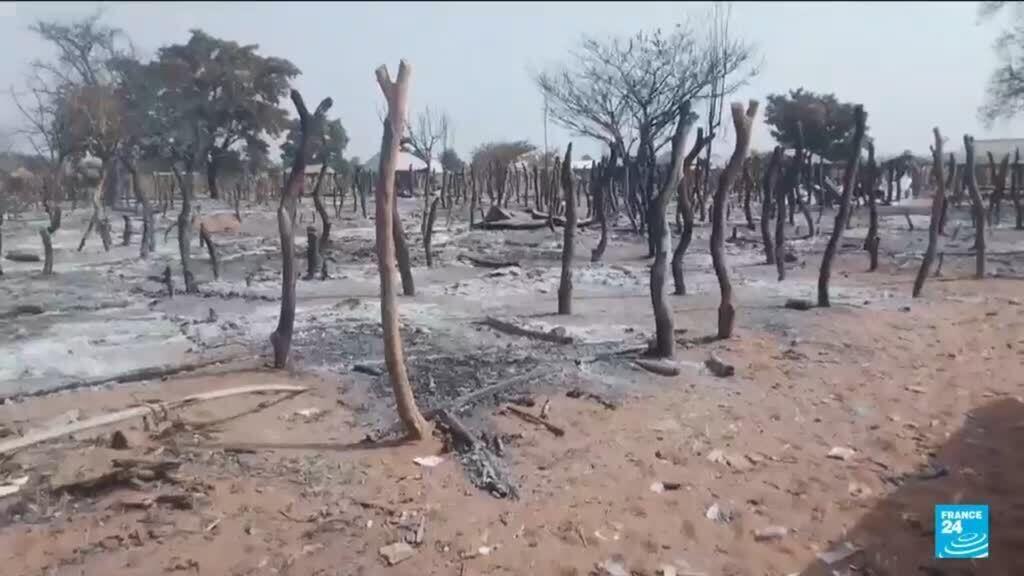

Gunmen Kill at Least 30 Villagers in Deadly Raid on Niger State Community, Abduct Others
Minna, Nigeria – At least 30 villagers were killed and several others abducted during a brazen raid by gunmen on a community in Nigeria's Niger State, police confirmed on Sunday, marking the latest escalation in the country's persistent cycle of violence in the north.
The attack, which occurred in a rural area of Niger State in northern Nigeria, unfolded amid heightened insecurity plaguing the region. According to police statements reported by France 24, the gunmen stormed the village, opening fire indiscriminately and killing at least 30 residents. Several more individuals remain missing, presumed abducted by the assailants. The incident underscores the fragility of security in north-central Nigeria, where armed groups frequently target remote communities for killings, looting, and ransom kidnappings.
Details of the raid remain sparse as investigations continue, but local authorities have described it as a coordinated assault typical of the banditry plaguing the area. Niger State, bordering the capital Abuja to the north, has become a hotspot for such violence, with gunmen often operating from forested hideouts and launching hit-and-run attacks on farming settlements.
Escalating Violence in Nigeria's Northwest and North-Central Regions
This raid is part of a broader pattern of conflict in Nigeria's northern states, where armed bandits—often loosely organized criminal gangs—have terrorized communities for years. These groups, distinct from Islamist insurgents like Boko Haram active in the northeast, primarily engage in cattle rustling, kidnappings for ransom, and extortion. Niger State has seen a surge in such incidents, exacerbated by the proliferation of small arms, porous borders, and limited government presence in rural areas.
Historically, banditry in the northwest and north-central belts intensified around 2019, displacing thousands and crippling agriculture. In 2023 alone, similar attacks in neighboring Zamfara and Kaduna states claimed hundreds of lives, according to reports from organizations like the Armed Conflict Location & Event Data Project (ACLED). Government responses have included military offensives, such as Operation Hadarin Daji launched in 2023, aimed at dismantling bandit camps. However, critics argue that these operations have yielded limited long-term success, with attacks persisting into 2026.
The France 24 report highlights that Sunday's police confirmation came after the raid, which began on Monday, January 5, 2026. "This is the latest in a cycle of deadly violence in the conflict-hit region," the article notes, attributing the story to journalist Simon Moritz. No group has claimed responsibility for the Niger State attack, a common occurrence in bandit-related incidents where perpetrators avoid public attribution to evade targeted strikes.
Background: Roots of Insecurity in Northern Nigeria
Nigeria's security challenges trace back to a confluence of factors. Ethno-religious tensions between nomadic Fulani herders and sedentary farmers have fueled violence since the early 2000s, evolving into full-scale banditry by the mid-2010s. Climate change has worsened resource scarcity, driving herder-farmer clashes, while unemployment and poverty in the north provide recruits for criminal networks.
Niger State, with its mix of savanna and forested terrain, offers ideal cover for bandits. The state governor, Mohammed Umar Bago, has repeatedly appealed for federal military reinforcements. In recent months leading up to 2026, similar raids have struck nearby areas: in December 2025, gunmen killed over 20 in Shiroro Local Government Area of Niger State, and abductions have become routine, with victims often held for ransoms exceeding millions of naira.
The federal government under President Bola Tinubu has prioritized kinetic and non-kinetic approaches, including vigilante support and community policing. Yet, the Niger raid exposes ongoing vulnerabilities. Human Rights Watch and Amnesty International have documented over 1,000 civilian deaths from banditry in 2024-2025, with thousands kidnapped.
Local residents, speaking anonymously in past reports, describe living in fear, with many abandoning farms during harvest seasons. "We hear gunshots almost every night," one farmer from a similar Niger community told Reuters in late 2025. Economic fallout is severe: food inflation has soared above 30% nationally, partly due to disrupted farming in the north.
Government Response and Regional Implications
Niger State police have deployed additional forces to the area and launched a search for the abducted victims, though outcomes remain uncertain. The incident prompted condemnations from national figures, including calls for swift justice. In a pattern seen in prior attacks, military airstrikes may follow intelligence leads on bandit enclaves.
Internationally, the violence draws concern over Nigeria's stability as Africa's most populous nation and largest economy. The European Union and United States have urged enhanced counter-terrorism cooperation, while neighboring countries like Niger (the nation) grapple with their own jihadist threats spilling over.
As of January 5, 2026, no further casualties have been reported, but the missing persons toll could rise. Security analysts warn that without addressing root causes—such as governance gaps and youth radicalization—such raids will continue, threatening Nigeria's fragile peace.
This event serves as a stark reminder of the human cost of unchecked banditry, with 30 lives lost in a single night and communities on edge. Ongoing military efforts and potential peace initiatives will be watched closely for signs of progress in stemming the tide of violence.
(Word count: 712)






