
Gunmen Kill at Least 30 in Village Attack Amid Escalating Kidnapping Campaign Targeting Christians in Nigeria
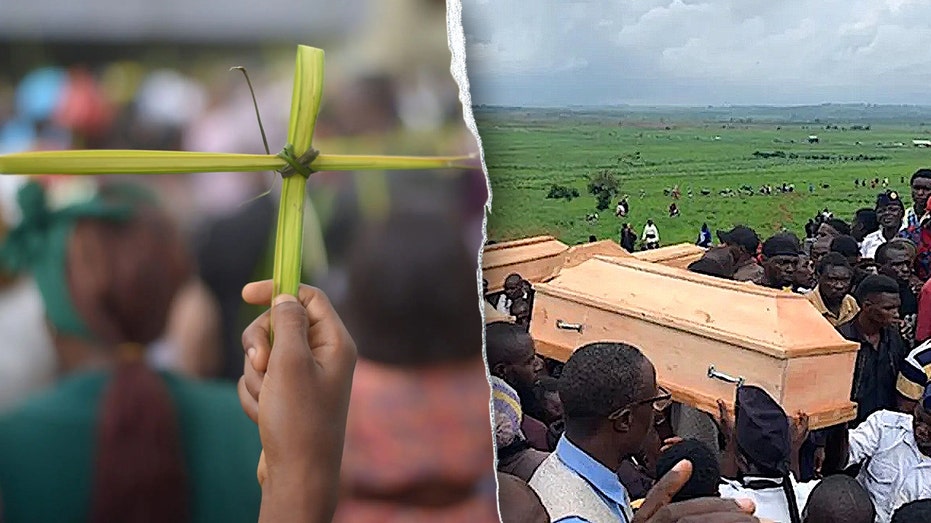
Kasuwan-Daji, Niger State, Nigeria — Gunmen launched a deadly assault on Kasuwan-Daji village in Nigeria's Niger State on Saturday evening, killing at least 30 people, abducting an unknown number of others, and destroying property, local reports indicate. The high-severity attack highlights the persistent insecurity plaguing Nigeria's north-central region, where experts point to a systematic campaign of kidnappings by Fulani militants targeting Christian communities.
The violence in Kasuwan-Daji unfolded amid reports of delayed security response, exacerbating the toll on residents. Attackers reportedly arrived in large numbers, firing indiscriminately and setting homes ablaze before fleeing with captives. Niger State, located in Nigeria's Middle Belt, has become a hotspot for such banditry, with armed groups frequently launching raids for ransom, livestock theft, and territorial control.
This incident coincides with broader concerns over a coordinated kidnapping wave attributed to "jihadi herdsmen," as described by security analysts. According to a recent Fox News report published on January 8, 2026, Fulani militants are waging what some experts call an "economic jihad" against Christian farming communities in the Middle Belt. In one documented case, a Nigerian church paid $205,000 in ransom to secure the release of 50 kidnapped members. The report cites experts who argue that these abductions are not random but part of a deliberate strategy to displace Christians and seize arable land, often under the guise of farmer-herder conflicts.
Eyewitness accounts from similar incidents describe assailants as heavily armed Fulani herdsmen, who have expanded their operations from cattle rustling to mass kidnappings and killings. "This is a systematic campaign," one expert quoted in the Fox News article stated, emphasizing the religious dimension amid Nigeria's ethno-religious fault lines. The Middle Belt region, spanning states like Niger, Plateau, Benue, and Kaduna, has seen hundreds of such attacks in recent years, displacing over 3.5 million people internally, according to United Nations estimates.
Background on Nigeria's Security Crisis
Nigeria's terrorism and banditry challenges trace back over a decade, evolving from the Boko Haram insurgency in the northeast—responsible for tens of thousands of deaths since 2009—to widespread banditry in the northwest and north-central zones. Groups like Boko Haram and its splinter Islamic State West Africa Province (ISWAP) have killed more than 35,000 people and displaced over 2.2 million in the northeast alone, per the Council on Foreign Relations.
In the Middle Belt and northwest, Fulani herdsmen—predominantly Muslim nomads—have clashed with mostly Christian farmers over shrinking grazing lands, intensified by climate change and population growth. What began as resource disputes has escalated into what human rights groups like Amnesty International describe as targeted atrocities. The U.S. Commission on International Religious Freedom has repeatedly designated Nigeria a "country of particular concern" for religious freedom violations, citing attacks on churches and villages.
Government data from Nigeria's National Security Adviser indicates over 1,000 kidnappings in the first half of 2025 alone, with ransoms totaling millions of dollars funneled back to armed groups. High-profile cases, such as the 2021 abduction of 317 schoolchildren in Katsina State and repeated raids on Plateau State villages, underscore the scale. President Bola Tinubu's administration, which took office in 2023, has deployed military operations like "Operation Hadin Kai" in the northeast and "Operation Safe Haven" in the Middle Belt, but critics argue these have yielded limited success due to underfunding, corruption, and infiltrations.
In Niger State specifically, bandit groups control vast forest reserves, using them as bases for cross-border operations into Kaduna and Zamfara. The Kasuwan-Daji attack on January 4, 2026, fits this pattern, with gunmen exploiting remote terrain and poor road networks.
Response and Ongoing Threats
Local authorities in Niger State confirmed the casualties but provided no immediate details on arrests or rescues. The Nigerian military has increased patrols in response to recent spikes, but delayed interventions—as reported in Kasuwan-Daji—remain a recurring complaint. Community leaders have called for community policing and anti-kidnapping squads.
The Fox News report highlights the economic strain on victims, with ransoms crippling churches and families. "These militants are funded by kidnapping proceeds, buying more weapons to sustain the cycle," an analyst noted. International partners, including the U.S. and UK, have provided training and intelligence, but aid groups like the International Committee of the Red Cross report surging humanitarian needs.
As Nigeria approaches its rainy season, experts warn of heightened risks, with bandits potentially intensifying operations in accessible villages. The government vows intensified kinetic and non-kinetic measures, but the persistence of attacks like Kasuwan-Daji signals deep-rooted challenges in restoring security.
This wave of violence underscores Nigeria's struggle to contain multiple fronts of terrorism and criminality, threatening stability in Africa's most populous nation and its vital agricultural heartland.
(Word count: 712)