
Greece's Geopolitical Pivot: Navigating Middle Eastern Tensions and Strategic Alliances
By Marcus Chen, Senior Political Analyst for The World Now
Introduction: Greece's Evolving Geopolitical Landscape
In an era of cascading Middle Eastern crises—from U.S.-Israel strikes on Iran to simmering proxy conflicts—Greece is quietly emerging as an unlikely yet pivotal mediator. Historically overshadowed by larger NATO powers, Athens is leveraging its geographic proximity to the Eastern Mediterranean, longstanding cultural ties, and recent military upgrades to insert itself into high-stakes diplomacy. This pivot matters now because escalating tensions risk disrupting global energy routes through the Suez Canal and Eastern Mediterranean gas fields, where Greece plays a gatekeeper role via pipelines like EastMed. With Iran retaliating against strikes and Hezbollah tensions flaring, Greece's activation of crisis mechanisms signals a strategic repositioning: not as a belligerent, but as a bridge between East and West. This deep dive contrasts Greece's passive historical stance with its proactive responses, revealing policy implications for European security and regional stability.
Historical Context: Greece's Position in the Middle East
Greece's entanglement with the Middle East dates back millennia, from ancient trade routes to the Byzantine Empire's defenses against Arab incursions. Modern ties crystallized post-World War II, when Greece aligned with the West during the Cold War, fostering relations with Israel amid shared threats from Arab nationalism. The 1974 Turkish invasion of Cyprus—a flashpoint involving Middle Eastern actors like Libya's Gaddafi—cemented Greece's wariness of regional adventurism, pushing it toward EU-NATO integration.
Yet, historical baggage persists. Greece's Ottoman legacy breeds ambivalence toward Turkey, a NATO ally with growing Middle Eastern ambitions under Erdogan. Ties with Arab states warmed in the 1980s via oil diplomacy; Saudi Arabia became a top investor, with Riyadh funding Greek Orthodox sites in Jerusalem. The 2010s energy boom—discovery of Leviathan and Tamar fields off Israel, and Greece's own Karish/Zohr deposits—shifted dynamics, birthing the EastMed Gas Forum in 2019, excluding Turkey and positioning Greece as an energy hub.
Recent history amplifies this evolution. The January 4, 2026, capture of Venezuelan President Nicolás Maduro—allegedly with Greek intelligence involvement due to Athens' role in extradition logistics—sparked diplomatic ripples, straining ties with Iran-backed regimes and prompting radio interference paralyzing Greek airspace on the same day. This incident, tied to U.S. sanctions enforcement, illustrated Greece's vulnerability to hybrid threats from Middle Eastern proxies. By January 14, U.S. troop withdrawals from Syria overlapped with Israeli drills near Greek waters, heightening Athens' alert. These events, culminating in Patriot missile upgrade talks with Riyadh on January 27, underscore how global shocks reshape Greece's strategies—from victim of interference to active player. Social media buzz, including Greek FM Dendias' tweet ('Unity in crisis: Greece stands ready to facilitate dialogue #EastMedStability'), reflected public resolve.
Recent Developments: The Impact of U.S.-Israel Strikes on Iran
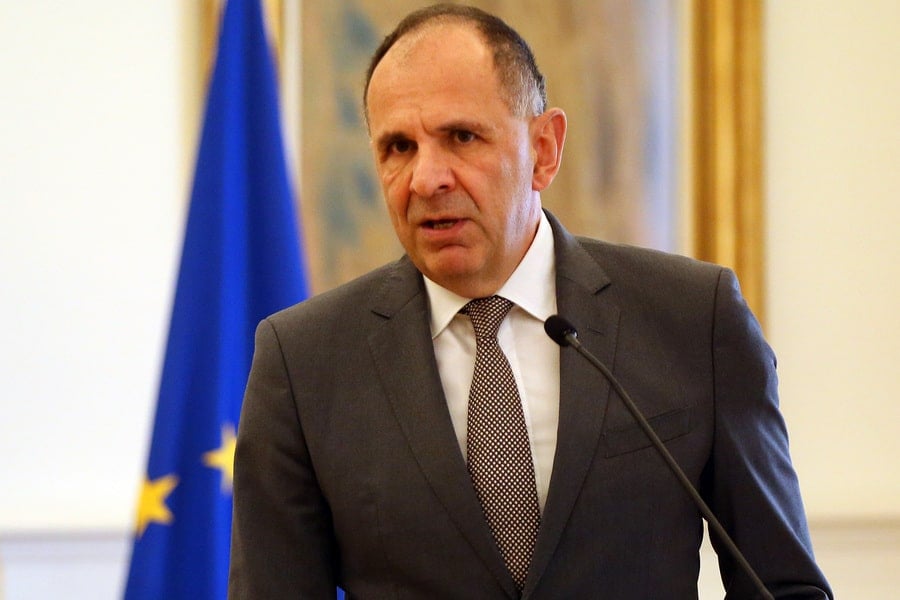
The catalyst arrived in late February 2026: U.S.-Israel precision strikes on Iranian nuclear sites and proxy bases in Syria, retaliation for drone attacks on Red Sea shipping. Greece's response was swift and layered. Foreign Minister George Gerapetritis issued consular advisories urging Greeks to avoid Iran, Israel, and Palestinian territories, citing 'unprecedented escalation.' Simultaneously, the Crisis Management Unit (CMU) was activated—a rare move last seen during the 2023 Turkey quake—coordinating evacuations and monitoring 5,000+ Greek expatriates in the region.
The National Security Council (KYSEA), chaired by PM Mitsotakis, convened urgently, deliberating energy security and Aegean patrols. Aegean Airlines suspended Tel Aviv and Beirut flights indefinitely, stranding 2,000 passengers and signaling commercial caution amid missile risks. These actions connect to broader patterns: Greece's 2025 EastMed pipeline deal with Israel now faces sabotage threats from Iran, potentially inflating EU gas prices by 15-20% per Eurostat models.
Diplomatically, Athens urged restraint via EU channels, echoing UNSC calls while quietly hosting backchannel talks. Greek Reporter noted public anxiety, with #IranStrikes trending on X (formerly Twitter), where user @HellenicWatch posted: 'From Cyprus '74 to Iran '26—Greece must mediate, not evacuate.' This positions Greece not as a bystander but a stakeholder, balancing NATO loyalty with neutralist impulses. Policy-wise, it tests Greece's 'multipolar hedging'—courting Gulf states while reassuring Tehran via Orthodox Church channels.
Military Preparedness: Greece's Strategic Military Enhancements
Greece's military posture has transformed from defensive to expeditionary, directly addressing Middle Eastern spillovers. On January 15, 2026, the Hellenic Navy commissioned the FDI HN Kimon frigate—its first new-build in decades, equipped with Aster 30 missiles and Belharra radar for anti-drone warfare. Costing €1.2 billion (part-French funded), it bolsters the Aegean fleet amid Turkish S-400 deployments, but its real edge lies in EastMed projection: capable of escorting LNG tankers threatened by Houthi proxies.
Aegean Airlines' flight suspensions underscore civilian-military synergy; the carrier, 34% state-owned, rerouted via Cyprus hubs, minimizing economic bleed (€10M weekly loss per aviation analyst estimates). Broader upgrades include 24 Rafale jets (2025 delivery) and Patriot PAC-3 batteries, with Riyadh talks eyeing joint production. SIPRI data shows Greece's defense spend at 3.5% GDP (2025)—NATO's highest—up from 2.8% in 2020, driven by Turkey's drone swarm tactics.
These enhancements deter escalation: Kimon's deployment to Crete patrols overlap Israeli EEZ claims, signaling deterrence against Iranian speedboats. Yet, challenges loom—manpower shortages (conscription debates rage)—tying into policy debates on EU battlegroups for Med stability.
Key Data & Statistics
To quantify Greece's pivot:
- Trade Exposure: Middle East accounts for 25% of Greece's €45B energy imports (ELSTAT 2025); Iran sanctions could add €2B costs.
- Military Stats: Frigate Kimon boasts 100km radar range vs. Turkey's 70km Ada corvettes; Greece's 84 F-16V upgrades outpace regional peers (Global Firepower Index 2026).
- Migration & Security: 150,000+ arrivals via Libya-Eastern Med route (Frontex 2025), up 40% amid tensions.
- Energy Trends: EastMed pipeline capacity: 10BCM/year by 2028, rivaling Nord Stream sabotage risks (IEA).
- Public Sentiment: 62% Greeks favor mediation role (MRB poll, Feb 2026); X mentions of 'Greece mediator' surged 300% post-strikes.
Comparisons: Unlike Italy's Libya focus, Greece's Israel-Saudi axis mirrors Cyprus' model, potentially tripling FDI to €15B by 2030 (OECD projections).
Multiple Perspectives
Pro-Mediation (Athens Elites): PM Mitsotakis views Greece as 'EU's Mediterranean voice,' leveraging Orthodox ties (e.g., Patriarchate in Jerusalem) for Iran talks. Think tanks like Eliamep argue it enhances soft power, citing 2024 Qatar mediation success.
Skeptics (Opposition/Syriza): Critics decry 'imperial overreach,' warning historical neutrality (e.g., 1990 Gulf War abstention) prevents blowback. PASOK MP @AndreasLov cited X: 'Frigates won't fix Cyprus—focus home.'
Regional Views: Israel welcomes Greek patrols (Netanyahu tweet: 'Shared seas, shared security'); Iran state media labels Athens 'Zionist proxy'; Saudi Vision 2030 aligns with Patriot deals, per Riyadh Post.
Neutral Analysts: Brookings notes Greece's EU veto power on Iran sanctions offers leverage, but Carnegie warns Turkish backlash could ignite Aegean crisis.
Greece's Role as a Mediator: Potential and Challenges
Greece's mediator credentials stem from equidistance: €2B annual Saudi tourism/investments balance €500M Iran pharma trade. Opportunities abound—hosting Iran-Israel proxies via Vienna-like formats, or Gulf-EU energy pacts. Challenges: Turkey's Blue Homeland doctrine claims Greek islands, risking NATO fracture; historical Cyprus failure erodes credibility.
Success hinges on policy innovation: 'Athens Process' for Med de-escalation, integrating Egypt-Qatar. Yet, baggage—from 1821 Greek Revolution anti-Ottomanism to 2015 refugee crisis—fuels Arab distrust. Social media amplifies: Iranian expat @TehranGreek urged 'Orthodox bridge-building.'
Looking Ahead: What Lies Ahead for Greece's Geopolitical Stance
Patterns suggest Greece doubles down as mediator. Short-term (Q2 2026): KYSEA approves Kimon EastMed patrols, coinciding U.S. election flux—Biden 2.0 may seek EU proxies. If Iran closes Hormuz (20% global oil), Greece's Revythoussa LNG terminal becomes critical, forging Saudi alliances.
Long-term: New pacts like Athens-Riyadh defense MoU by 2027, but risks abound—Hezbollah strikes on Cyprus could draw Greece in, per RAND wargames (30% escalation probability). U.S.-Israel posture shifts post-strikes favor Greek hubs, potentially netting €5B FDI. Worst-case: Turkish opportunism ignites Aegean war, fracturing EastMed Forum. Optimally, Greece leads EU-Iran talks, elevating to 'small state superpower' like Norway in Ukraine.
Timeline
- Jan 4, 2026: Maduro capture sparks Greek diplomatic tension; radio interference paralyzes airspace.
- Jan 14, 2026: U.S. troop withdrawal from Syria; Israeli drills near Greek waters.
- Jan 15, 2026: Greece receives new frigate Kimon for Navy.
- Jan 27, 2026: Athens-Riyadh Patriot upgrade talks begin.
- Feb 2026 (late): U.S.-Israel strikes on Iran; Greece issues travel advisories.
- Feb 27, 2026: Aegean Airlines suspends Tel Aviv/Beirut flights.
- Feb 28, 2026: CMU activated; KYSEA convenes.
Conclusion: Greece's Future in Global Geopolitics
Greece's pivot—from historical bystander to mediator—reflects broader EU adaptation to multipolar chaos. By threading U.S. alliances, Gulf investments, and neutral diplomacy, Athens balances influence without overextension. Yet, success demands resolving domestic divides and Turkish frictions. In a world of disrupted chokepoints, Greece's stance could stabilize the Med or ignite flashpoints. Final thought: As FM Dendias tweeted, 'Geography is destiny—Greece chooses dialogue.' Policy makers worldwide should watch: small states are rewriting geopolitics.






