
Global geopolitics features Narendra Modi's tour to UAE amid energy talks and unrest
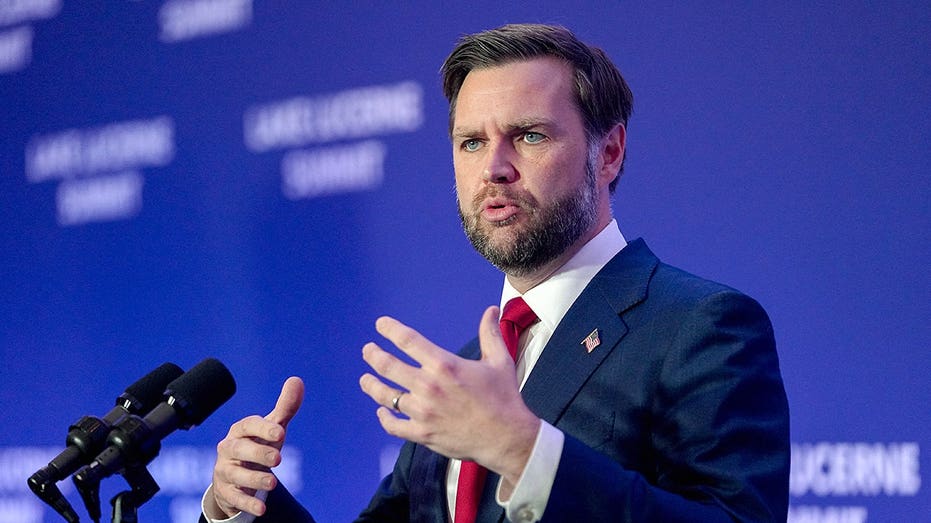
In the current geopolitics global landscape marked by ongoing conflicts and supply chain strains, Indian Prime Minister Narendra Modi is set to begin a multi-nation tour to the United Arab Emirates and four European countries amid ongoing global unrest, with energy cooperation highlighted as a key agenda item.[1] This diplomatic outreach comes as world leaders navigate a web of interconnected challenges, from regional wars depleting resources to calls for institutional reforms, underscoring the intricate balance of security, energy, and international partnerships.
Modi's Multi-Nation Tour and Global Unrest
Indian Prime Minister Narendra Modi's upcoming multi-nation tour represents a strategic diplomatic maneuver amid a backdrop of heightened global instability.[1] Officials announced on Monday that Modi will embark this week on a whirlwind itinerary beginning in the United Arab Emirates (UAE), where he is scheduled to arrive on Friday.[1] The UAE leg of the tour holds particular significance, given the presence of a 4.5 million-strong Indian community, which forms a vital diaspora link strengthening bilateral ties.[1]
At the forefront of discussions will be a meeting with UAE leader Sheikh Mohamed bin Zayed Al Nahyan, with energy cooperation prominently featured on the agenda.[1] This emphasis is no coincidence, as global supply disruptions—particularly in energy sectors—have been exacerbated by the ongoing war in the Middle East.[1] These disruptions have ripple effects across economies worldwide, prompting nations like India to prioritize stable energy partnerships to mitigate vulnerabilities in global trade routes and resource availability.[1] Modi's tour extends beyond the UAE to four European countries, though specific details on those stops were not outlined in initial announcements, reflecting a broader effort to reinforce alliances in a time of uncertainty.[1]
The timing of this tour aligns with a period of intense global unrest, where conflicts in multiple theaters are straining international relations and economic stability.[1] For India, a nation heavily reliant on imported energy, such engagements are crucial for diversifying sources and ensuring supply chain resilience. The foreign ministry's statement underscores the tour's role in fostering dialogue on these pressing issues, positioning Modi as a key player in bridging Asia, the Middle East, and Europe.[1] As the tour unfolds, it serves as a microcosm of how leaders are adapting to a fragmented world order, where energy security intersects with diplomatic outreach.
Pressures on U.S. Arms Export Policies
America's allies are intensifying efforts to lobby the U.S. Congress for relaxed restrictions on foreign arms sales, driven by the rapid depletion of U.S. weapons stockpiles due to protracted conflicts in Ukraine and the Middle East.[2][3] These wars have not only accelerated the drawdown of existing inventories but also revealed critical weaknesses in America's defense production pipeline, prompting urgent calls for policy adjustments.[2][3]
The push comes as allied nations face their own ammunition and equipment shortages, exacerbated by their support for ongoing military operations.[2][3] By easing regulatory "red tape," proponents argue, the U.S. could streamline exports, thereby replenishing allied stockpiles while bolstering domestic production capacities.[2][3] This lobbying effort highlights a broader strain on transatlantic and Indo-Pacific security partnerships, where the U.S. serves as the primary arms supplier. The depletion of stockpiles has raised alarms about long-term readiness, with allies emphasizing that current restrictions hinder timely resupply amid escalating global demands.[2][3]
In practical terms, these restrictions involve bureaucratic hurdles that delay approvals and limit the scale of transfers, a situation now deemed unsustainable given the intensity of the Ukraine conflict and Middle East hostilities.[2][3] Congressional deliberations on this matter could reshape U.S. defense export strategies, potentially accelerating production lines and fostering greater interoperability among allies. This development underscores the interconnected nature of modern conflicts, where one region's instability directly impacts global defense dynamics and resource allocation.[2][3]
Africa-France Summit and UN Reforms
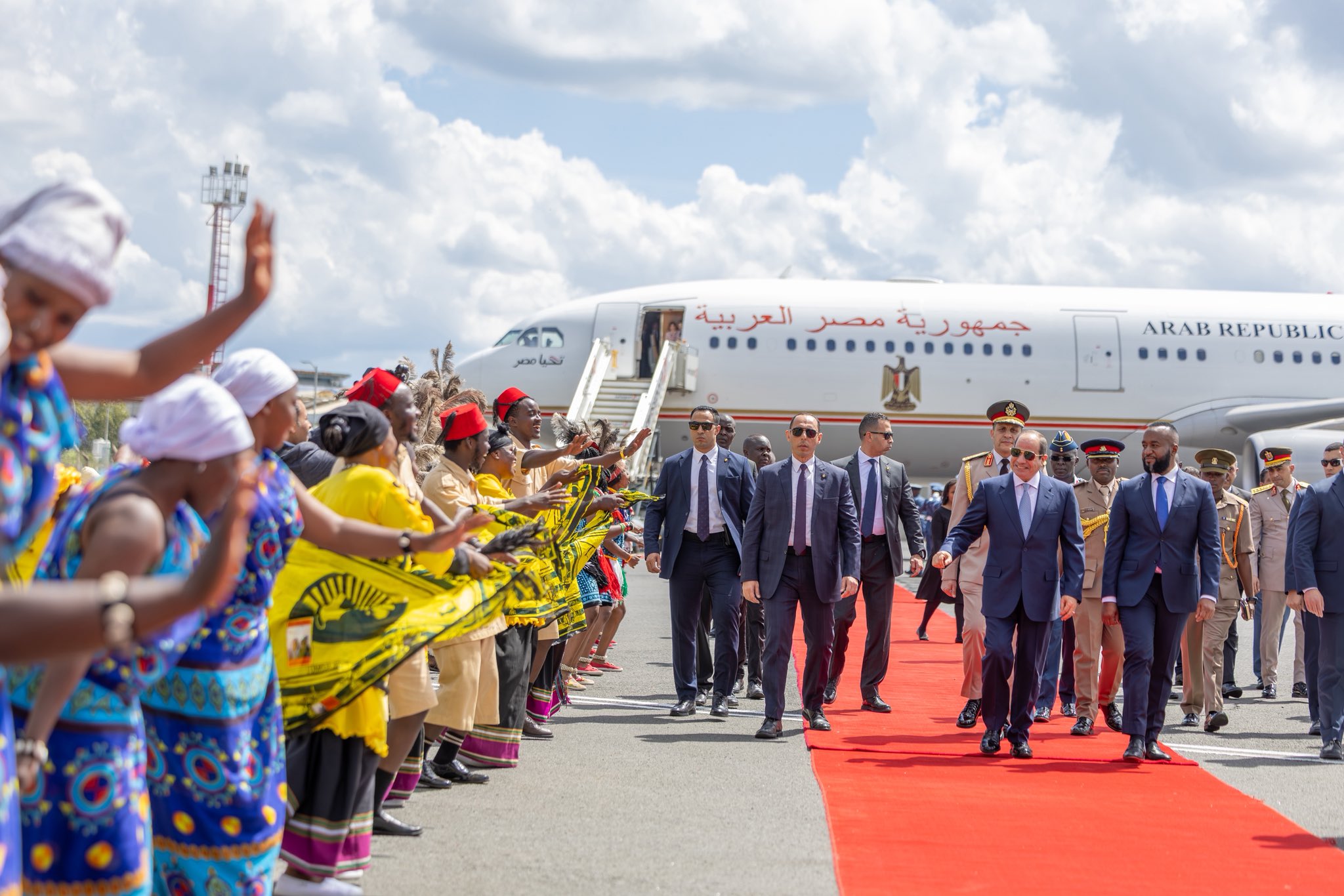
Egyptian President Abdel Fattah Al-Sisi's attendance at the Africa-France Summit in Nairobi has spotlighted pressing demands for overhauling global institutions, particularly through reforms to the United Nations Security Council (UNSC).[4] Al-Sisi arrived in the Kenyan capital on Monday for the two-day event, held on May 11 and 12, which is themed around reshaping international partnerships.[4]
The summit's agenda centered on reforming global financial systems, addressing longstanding inequities in international lending and aid structures that disproportionately affect African nations.[4] A key highlight was the African Union's (AU) vocal demand for permanent representation on the UNSC, a call rooted in the continent's growing geopolitical weight and historical underrepresentation in global decision-making.[4] This push reflects broader frustrations with the current UNSC composition, which African leaders argue fails to account for post-colonial realities and contemporary power shifts.[4]
France's involvement in the summit signals a European effort to recalibrate ties with Africa, moving beyond traditional aid models toward more equitable partnerships.[4] Discussions likely delved into practical mechanisms for financial reform, such as debt relief and increased access to international funding, alongside security cooperation. Al-Sisi's presence, as a prominent African voice, amplified Egypt's role in advocating for these changes, positioning the summit as a platform for continental unity.[4] The event's outcomes could influence future UN debates, potentially paving the way for expanded African seats on the Council and signaling a multipolar shift in global governance.
Recent Incidents in the Middle East
The Israeli military has taken disciplinary action by jailing soldiers implicated in the desecration of a Virgin Mary statue in Lebanon, an incident that has drawn sharp international criticism amid escalating regional conflicts.[5] Photos of the act circulated widely, amplifying global condemnation and highlighting tensions during Israel's military operations in the area.[5]
This event occurred against the backdrop of an "onslaught on Lebanon," where Israeli forces have been engaged in operations that have intensified sectarian and religious sensitivities.[5] The military's decision to jail the soldiers represents an internal response aimed at maintaining discipline and addressing the fallout from such provocative actions.[5] However, the incident has fueled broader narratives of cultural insensitivity in conflict zones, complicating Israel's diplomatic standing internationally.[5]
The desecration underscores the fragile religious dynamics in the Middle East, where symbols like the Virgin Mary hold deep significance for Christian communities across Lebanon and beyond.[5] As photos spread online, reactions from global actors emphasized the need for restraint to avoid inflaming sectarian divides. This case illustrates how individual actions by troops can escalate geopolitical frictions, drawing scrutiny to military conduct in occupied or contested territories.[5]
Connecting Global Geopolitical Threads
These disparate events weave together in the geopolitics global tapestry of unrest, where energy disruptions, arms shortages, institutional reform calls, and regional incidents mutually reinforce one another.[1][2][4][5] Modi's tour to the UAE, with its focus on energy cooperation amid Middle East war-induced supply issues, directly intersects with the Israeli-Lebanon incident, which exemplifies the volatility driving those disruptions.[1][5] Similarly, the depletion of U.S. stockpiles from Ukraine and Middle East conflicts pressures allies to seek policy changes, echoing the resource strains felt in diplomatic itineraries like Modi's.[2]
The Africa-France Summit's push for UNSC reform adds another layer, as African demands for permanent seats challenge the status quo upheld by powers navigating these crises.[4] Together, these threads reveal a world where Middle East instability ripples into energy markets and alliances, U.S. policy debates influence global defense postures, and reform calls seek to rebalance power amid chaos.[1][2][4][5] This interconnectedness demands coordinated international responses to prevent cascading effects.
What to watch next: Observers should monitor the outcomes of Modi's UAE meetings on energy deals amid ongoing Middle East disruptions[1], Congressional responses to allies' arms export pleas as stockpiles dwindle[2][3], and follow-up actions from the Africa-France Summit on UNSC reform demands[4].