
Global geopolitics faces oil reserve depletion from Hormuz disruptions
In the current geopolitics global landscape, global oil inventories are rapidly depleting at an unprecedented pace due to disruptions in the Strait of Hormuz caused by the Iran war, leading to concerns of shortages and price spikes.[4] This crisis underscores broader tensions, as warnings emerge about China and Russia potentially targeting undersea cables that carry 99% of global data ahead of Trump-Xi talks.[1] Meanwhile, India prepares to host the 4th India-Africa Forum Summit in New Delhi from May 28 to 31, focusing on innovation and collaboration to strengthen strategic partnerships.[2] Israel has deported the remaining two activists from the Global Sumud flotilla detained after attempting to deliver humanitarian aid to Gaza in international waters,[3] while transatlantic tensions rise following the US announcement of withdrawing troops from Europe, tied to NATO discussions and Turkey's global media operations.[5]
Current Oil Supply Disruptions
The Strait of Hormuz remains a critical chokepoint for global energy supplies, and ongoing disruptions linked to the Iran war have accelerated the depletion of oil inventories to levels not seen in years.[4] Global oil tanks are running dry at an unprecedented pace as crude flows from the Persian Gulf face severe interruptions, prompting widespread concerns over impending shortages and sharp price increases.[4] Asia, in particular, is under immediate pressure, with some nations facing potential shortages within a month as reserves reach multi-year lows.[4]
This situation has forced governments to tap into strategic reserves, a move that provides short-term relief but significantly erodes the global safety buffer against further shocks.[4] The chokepoint nature of the Strait of Hormuz amplifies the vulnerability, as it handles a substantial portion of the world's oil shipments, making any prolonged disruption a catalyst for market instability.[4] Industry observers note that the rapid drawdown leaves little margin for error, with refineries and consumers bracing for higher costs and supply rationing if the flow does not resume soon.[4] The Iran war's direct impact on these routes highlights how regional conflicts can cascade into global energy crises, affecting economies far beyond the Middle East.[4] As inventories continue to shrink, the focus intensifies on alternative supply routes and diplomatic efforts to de-escalate tensions in the region, though current trends suggest sustained pressure on oil markets.[4]
Threats to Global Data Infrastructure
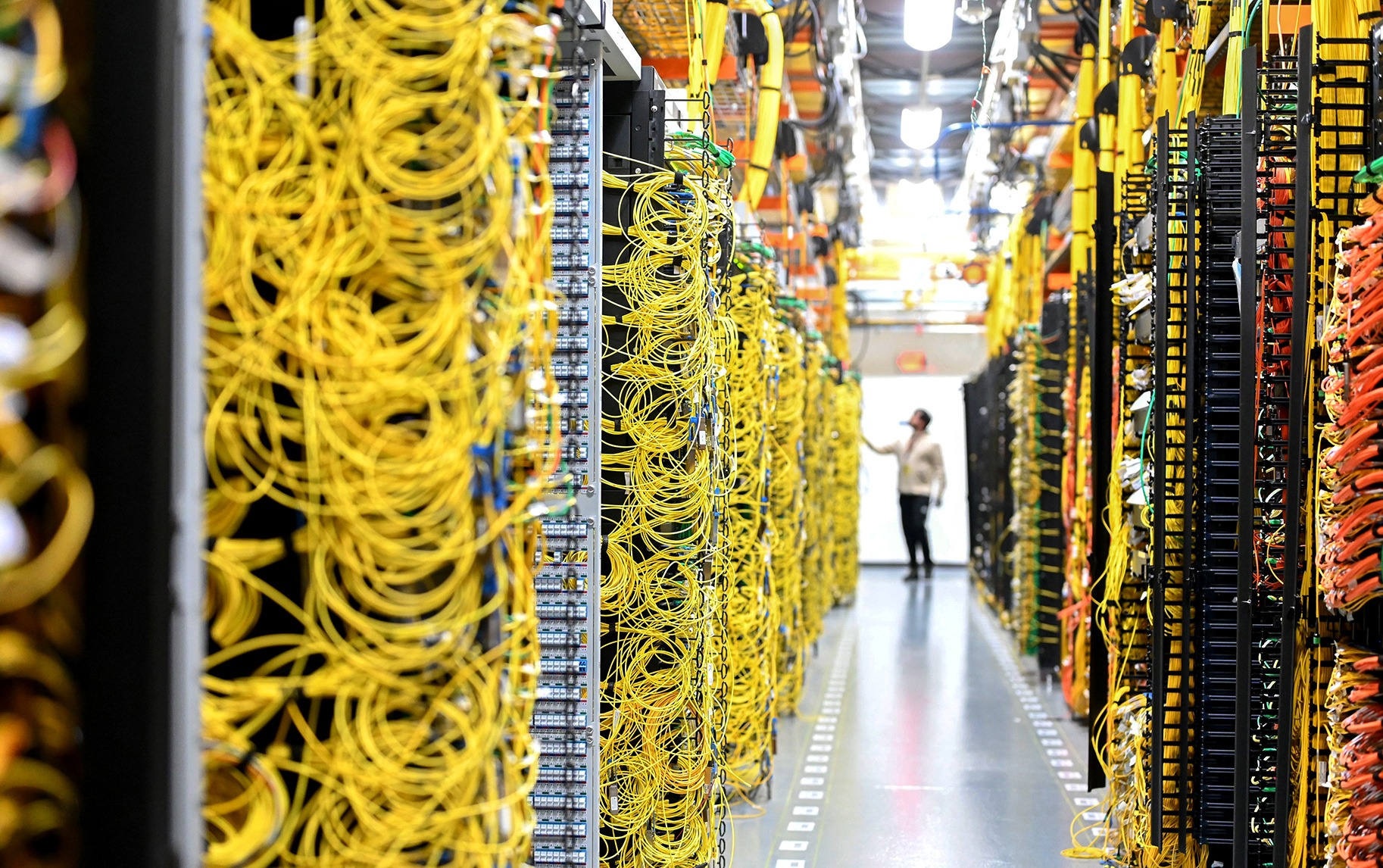
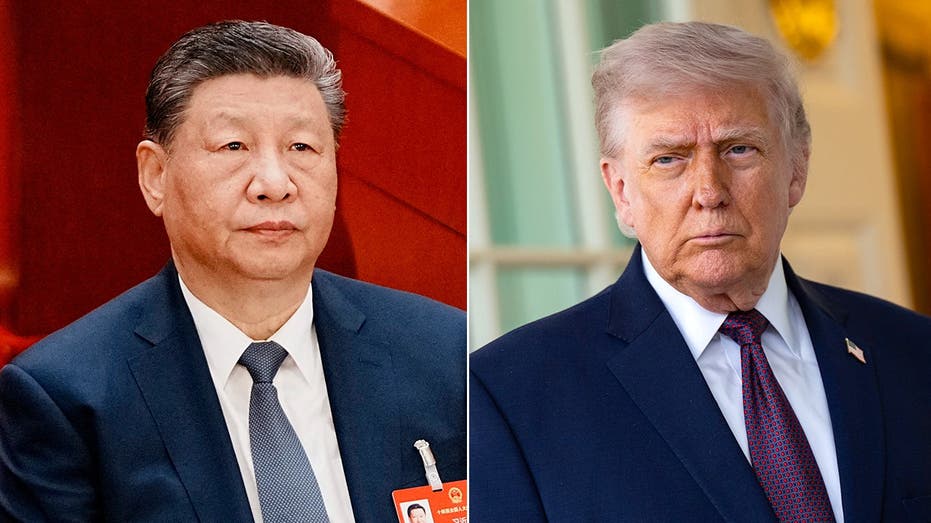
Former intelligence officials have issued stark warnings about the vulnerability of undersea cables, which carry 99% of global data, to sabotage by China and Russia, potentially unleashing devastating economic chaos.[1] As Trump-Xi talks loom on the horizon, these threats raise fears of disruptions that could cost the world economy up to $10 trillion.[1] China's undersea cable capabilities are under particular scrutiny, with experts highlighting how targeted attacks on these critical infrastructures could paralyze international communications, finance, and trade.[1]
The interconnected nature of global data flows means that even temporary outages could trigger cascading failures across sectors reliant on real-time data exchange, from stock markets to supply chains.[1] Russia, with its history of hybrid warfare tactics, is also flagged as a capable actor in such operations, amplifying the geopolitical risks in an era of great power competition.[1] These cables, laid across ocean floors and spanning continents, represent a foundational element of the digital economy, making them high-value targets for asymmetric warfare.[1] Ahead of high-stakes diplomatic engagements like the Trump-Xi discussions, the emphasis on securing this infrastructure has grown, with calls for enhanced monitoring and redundancy measures.[1] The potential for economic devastation underscores the need for international cooperation to safeguard these lifelines, as any successful strike could reshape global power dynamics overnight.[1]
Advancing India-Africa Ties
New Delhi is gearing up to host the 4th edition of the India-Africa Forum Summit from May 28 to 31, a key platform for advancing strategic partnerships between India and African nations.[2] This gathering will bring together leaders and representatives from across the African continent, signaling a renewed commitment to one of the Global South's most significant alliances.[2] Under the theme “IA SPIRIT: India-Africa Strategic Partnership for Innovation,” the summit aims to foster collaboration in areas like technology, trade, and development.[2]
The event's return to New Delhi after previous editions highlights India's growing role as a partner of choice for Africa, emphasizing mutual benefits in innovation-driven growth.[2] Discussions are expected to cover capacity building, infrastructure projects, and knowledge exchange, building on past commitments to deepen economic ties.[2] With Africa's youthful population and resource wealth complementing India's technological prowess, the forum positions itself as a counterbalance to traditional Western influences in the region.[2] Strategic partnerships forged here could influence global supply chains, energy security, and digital economies, making the summit a pivotal moment in South-South cooperation.[2] As delegates convene, the focus on innovation underscores a forward-looking agenda aimed at sustainable development and shared prosperity.[2]
Gaza Aid and Detentions
Israel has completed the deportation of the last two activists from the Global Sumud flotilla, Brazilian Thiago Ávila and Spaniard Saif Abu Keshek, who had been detained and interrogated.[3] These individuals were part of a group attempting to deliver humanitarian aid to the Gaza Strip and were intercepted in international waters.[3] The flotilla's mission sought to challenge restrictions on aid deliveries amid ongoing tensions in the region.[3]
The detentions and subsequent deportations mark the resolution of the incident involving the remaining participants, following earlier releases.[3] Israeli authorities boarded the vessels, citing security concerns, and transported the activists to Israel for processing.[3] This episode revives debates over maritime access to Gaza and the legal status of aid efforts in contested waters.[3] The Global Sumud initiative, named to evoke steadfastness, drew international attention to the humanitarian situation, though it faced interception similar to previous attempts.[3] With all activists now deported, attention shifts to the broader implications for future aid convoys and diplomatic responses from involved nations.[3]
Rising Transatlantic Tensions
Transatlantic relations are straining following President Trump's announcement of withdrawing US troops from Europe, a move dissected in recent analyses.[5] Experts Max Bergmann, Maria Demertzis, and Eitan Fischberger joined Thanos Davelis to unpack the signal this sends to NATO allies and adversaries alike.[5] The decision ties into broader NATO dynamics, raising questions about burden-sharing and collective defense commitments.[5]
Compounding these tensions is scrutiny over Turkey's global media operations, portrayed as part of a "Clash Report" narrative.[5] The troop withdrawal underscores shifting US priorities, potentially weakening Europe's deterrence posture against Russian threats.[5] Discussions highlight how such announcements erode alliance cohesion, prompting European leaders to reassess defense spending and strategic autonomy.[5] Turkey's media influence, operating on a global scale, adds another layer, as it intersects with NATO's internal politics and regional rivalries.[5] From NATO's foundational principles to contemporary flashpoints, these developments signal a pivotal moment for the alliance's future.[5]
What to watch next: Monitor the Trump-Xi talks for updates on undersea cable security threats,[1] the India-Africa Forum Summit outcomes from May 28-31 for partnership advancements,[2] and reactions to US troop withdrawals amid NATO discussions.[5]