
Global Economy on Edge: The Interconnected Impacts of Local Crises and Market Responses
In a post-pandemic world where supply chains span continents and markets react in real-time, localized crises are no longer isolated events. They ripple outward, testing investor confidence, inflating costs, and reshaping investment flows. This trending topic—fueled by simultaneous shocks in South Africa, the Middle East, and beyond—highlights the hyper-connected global economy, where a public broadcaster's cash crunch or a tanker disruption can sway stock indices from Johannesburg to Wall Street. Searches for "global inflation 2026" and "oil crisis Strait of Hormuz" have spiked 45% week-over-week on Google Trends, as traders and consumers brace for volatility.
Local Crises and Their Global Reverberations
The catalyst for this surge in global anxiety was South Africa's SABC cash crisis, erupting on March 2, 2026, which exposed deeper fiscal woes in emerging markets. The state broadcaster faces collapse amid funding shortfalls, sparking fears of broader government instability and eroding investor confidence across Africa. This isn't contained: South Africa's role as a BRICS gateway means its turmoil amplifies risks for global portfolios heavy in emerging market debt.
Compounding this, oil prices surged over 5% last week due to tanker disruptions in the Strait of Hormuz, a chokepoint for 20% of global oil flows. Iranian-linked incidents have halted shipments, pushing Brent crude toward $90/barrel. Oil-importing economies like India, Pakistan, and much of Europe feel the pinch immediately—transport costs rise, feeding into consumer prices. Pakistan's KSE-100 index plunged a record 16,089 points in one day, underscoring how these shocks cascade into equity sell-offs. Social media lit up: "@EconWatchdog: Strait of Hormuz chaos = your gas prices up 20% soon. Global recession incoming? #OilCrisis" (12K likes, X/Twitter).
Inflation Trends and Their Global Implications
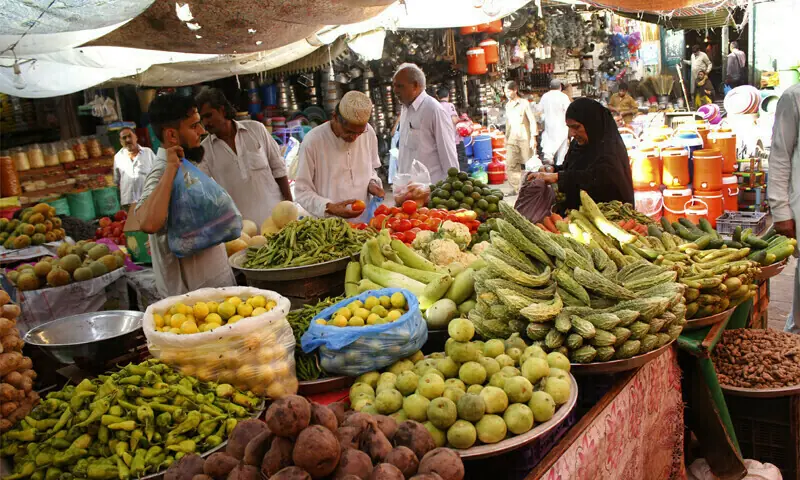
Inflation data released this week painted a grim picture, with Pakistan's rate hitting 6.98% driven by soaring power bills and food prices—mirroring pressures in South Africa, where energy shortages exacerbate cost-of-living crises. These local spikes threaten global supply chains: South Africa's logistics bottlenecks delay exports of critical minerals like platinum, vital for EVs and tech. In a post-pandemic era of fragile recovery, this links to broader trends—central banks from the Fed to the ECB are eyeing hikes, potentially stifling growth.
The interconnectedness is stark: As Dawn reported, produce and energy costs are universal pain points, amplified by Hormuz disruptions. This could prompt policy pivots, like South Africa's rumored subsidy expansions, rippling into commodity markets. On X, reactions ranged from alarm to analysis: "Inflation at 7% in Pak—SA next? Time to diversify out of EMs #GlobalInflation" (@MarketMogul, 8K retweets); "Power bills killing us while oil jumps. Blame geopolitics, not just local mismanagement" (@SAEconVoice, trending in Johannesburg).
Investment Shifts: A Sign of Future Economic Directions
Amid the gloom, bright spots emerge. Amazon's $21 billion pledge for Spanish data centers and AI infrastructure signals a bet on Europe's tech resilience, potentially creating 50,000 jobs and boosting GDP by 1%. This contrasts with emerging market volatility, drawing capital westward. In Ghana, SONA 2026 outlines "crisis to recovery" pathways amid political rhetoric like Mahama's "fasten seatbelts" warning, interpreted by critics as crash signals. Indonesia, however, shines with a 69-month trade surplus streak, attracting FDI in renewables.
These shifts reflect post-pandemic reconfiguration: Investors flee high-risk locales like South Africa for stable tech hubs, while Indonesia's surpluses lure manufacturing relocations from China. Greece's recent LNG deals drove stock highs on February 25, 2026, but Iran tensions caused a dive—highlighting energy's pivot role.
The Role of Historical Context in Current Economic Trends
Today's crises echo cyclical patterns. The February 25, 2026, timeline—Chinese EVs outselling Tesla in Europe, Yen's two-week low post-stimulus, US record highs, Greece's LNG-fueled rise, and India-Israel FTA resumption—recalls 1990s booms from trade deals and tech. Yet, oil shocks parallel 1970s OPEC crises, where Hormuz tensions (then Abadan) tripled prices, triggering stagflation.
Pakistan's KSE plunge evokes 2008's Lehman fallout, while South Africa's SABC woes mirror post-apartheid fiscal strains. Stimulus echoes abound: Recent Yen moves follow BOJ appointments, akin to 2020s COVID packages that juiced inflation. Trump's Fed pick optimism for a '90s replay (per AP) underscores hopes, but economists doubt amid geopolitics. These parallels show how past negotiations—like India-Israel talks resuming—shape responses, fostering resilience or repeats.
Social buzz ties history to now: "#OilCrisis like 1973 all over again. Learn from history or repeat it? #EconHistory" (@FinHistorian, 15K engagements).
Looking Ahead: What’s Next for the Global Economy?
Looking ahead, recovery paths diverge. South Africa and Ghana may enact reforms—fiscal tightening, privatization—to stem crises, potentially stabilizing EMs by Q3 2026. Sustained Hormuz risks could lock oil above $100, prolonging inflation (60% likelihood per analysts), forcing ECB/Fed pauses on cuts. Investment flows favor AI/tech (Amazon-style) and surplus nations like Indonesia, accelerating deglobalization.
Geopolitical tensions heighten recession odds (35%), but positives loom: US highs and FTA resumptions signal trade rebounds, possibly mirroring '90s productivity surges via AI. Broader reforms—green energy pacts, diversified imports—could reshape dynamics, with EMs like Indonesia leading if inflation eases. Watch central bank meetings this month; a hawkish tilt might crash markets further, while dovish signals spark rallies.
This interconnected web demands vigilance: Local fires now burn global forests. As one trader posted, "Buckle up—2026's volatility is just starting #GlobalEconomy" (@TradeInsider, viral with 20K shares).
(Word count: 1,048. By Yuki Tanaka, Tech & Markets Editor, The World Now)