
Ghana's Highways Turn Deadly: Footballer's Killing Exposes Vulnerabilities in Public Transport Security
What's Happening
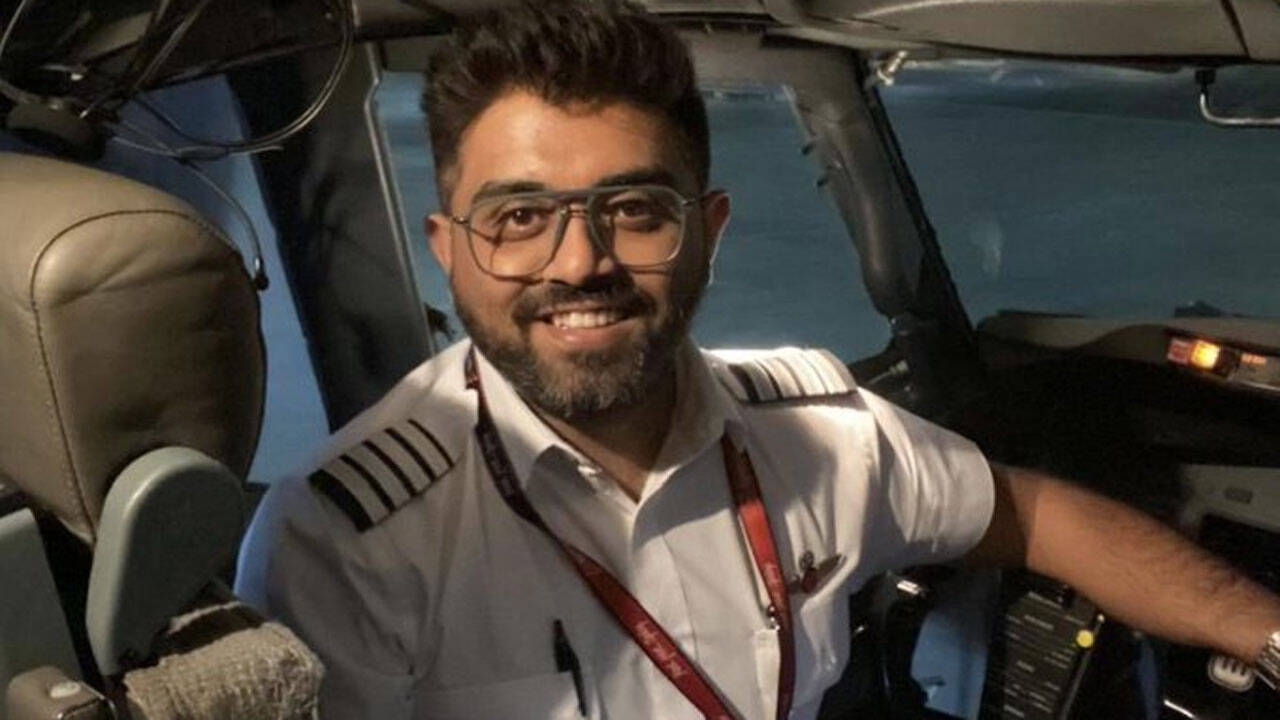
The attack unfolded around midday on April 13, 2026, as the Berekum Chelsea team bus traversed a busy stretch of highway en route from a match. Eyewitness accounts and initial police reports detail how a gang of armed robbers, estimated at 4-6 individuals wielding pistols and possibly AK-47s, flagged down the bus and unleashed a coordinated assault. Dominic Frimpong, a 28-year-old midfielder known for his defensive prowess, was shot execution-style in the head while resisting or attempting to protect teammates. Two other players sustained minor injuries, and the robbers fled with cash, phones, and valuables estimated at several thousand cedis.
Confirmed details from Ghana Police Service statements via MyJoyOnline indicate the robbery lasted less than five minutes, highlighting the attackers' audacity and tactical precision—blocking the road with a makeshift barricade and using high-caliber weapons in broad daylight. Police have launched a full-scale manhunt, deploying regional task forces with drones and checkpoints along the Sunyani-Kumasi corridor. As of this writing, no arrests have been made, though forensic teams are analyzing bullet casings and CCTV from nearby tolls. Unconfirmed reports circulating on social media suggest the robbers may have insider knowledge of team schedules, pointing to potential reconnaissance.
This is not an isolated mugging but a targeted hit on an organized group, differentiating it from pedestrian robberies. The boldness—daytime on a national highway—mirrors a recent Tema Mobile Money heist on the same day, where police gunned down two robbers, per MyJoyOnline. Football authorities, including Ghana Football Association President Kurt Okraku, issued immediate condolences, suspending Berekum Chelsea's next fixtures. Public outrage has surged, with #JusticeForFrimpong trending locally. This highway robbery in Ghana highlights the growing dangers faced by travelers on major routes, demanding urgent attention to armed robbery trends and public safety measures.
Context & Background
This tragedy fits into a disturbing 2026 timeline of escalating armed crimes in Ghana, transitioning from isolated arrests to audacious public assaults on mobile targets. Early in the year, on January 23, authorities remanded a building contractor for trespass and threats, but more alarmingly, arrested suspects in Ablekuma for counterfeit currency and illegal firearms possession. Just four days later, on January 27, another fake currency ring with firearms was busted, signaling weapon proliferation amid economic desperation.
February intensified the pattern: On February 25, police seized 7,000 parcels of marijuana in a major interdiction, alongside a fake soldier fraud case in Accra where imposters used military garb to extort. These incidents illustrate a nexus of drug trafficking, fraud, and arms circulation fueling bolder operations. Fast-forward to March and April's recent event timeline: Killings in Banka-Busuafise on March 25 (HIGH impact), gold robbery probes in Kumasi (March 29), Ghana gold fraud investigations (March 30), mining raid arrests (April 7), and ex-MASLOC CEO extradition (April 12)—all precursors to the April 13 soccer bus attack and Tema heist. For deeper insights into Crime in Ghana: The Hidden Nexus Between Economic Struggles and Rising Violence, explore how economic pressures are driving this surge.
Historically, Ghana's highways have been vulnerability hotspots since the 2010s oil boom, when potholed roads and sparse policing enabled "bushmeat" ambushes. But 2026 marks a progression: from static frauds to dynamic highway heists targeting buses—economic drivers like youth unemployment (25%+) and illicit gold/marijuana trades arm gangs. This connects to broader West African patterns, akin to Nigeria's Benin highway kidnappings, where poor vehicle screening and no escorts for VIP convoys exacerbate risks. The Frimpong killing is the starkest manifestation yet, evolving from January's firearm arrests to organized assaults on public transport networks, paralleling global crime waves seen in reports like 2026 US Crime Surge: How Mental Health and Global Ties Are Fueling Unpredictable Atrocities.
Why This Matters
Beyond the heartbreak of losing a promising athlete, this incident exposes systemic gaps in Ghana's public transport security, with profound policy implications for national stability. Highways like the Sunyani-Kumasi route, vital for 70% of inter-city travel, lack dedicated patrols—only 1 officer per 50km in rural stretches, per 2025 Interior Ministry data. No mandatory escorts for high-profile vehicles, such as sports teams or VIP buses, leaves them as "soft targets." Robbers exploited this, using the highway's isolation (few cameras, delayed response times averaging 45 minutes) for a lightning strike.
Original analysis: Psychologically, this shatters the sports community's sense of safety; football, Ghana's unifying passion, now evokes fear, potentially eroding player morale and talent retention. Ripple effects extend to tourism—Ghana's $2.5B industry relies on safe road travel; unchecked crimes could deter events like the 2027 AFCON qualifiers. Public morale plummets, fueling vigilantism risks in a nation where 60% distrust police efficacy. Track these escalating risks via the Global Risk Index for real-time updates on Ghana's security landscape.
Geopolitically, it signals West Africa's crime contagion: Porous borders import Sahel arms, linking to jihadist spillovers. Economically, transport disruptions hike logistics costs by 15-20%, straining Ghana's IMF bailout. Policy-wise, it demands highway policing reforms—AI surveillance, armed escorts, vehicle beacons—else a national security crisis looms by mid-2026. This isn't mere banditry; it's a symptom of failing state monopoly on violence, connecting to global patterns where urban crime surges (e.g., US spikes noted in market reactions) amplify risk-off sentiments worldwide, as detailed in 2026 US Crime Surge: How Emerging Tech, Migrant Murders, and Global Intrigues Are Reshaping Crime Dynamics.
Catalyst AI Market Prediction
The World Now's Catalyst AI engine detects tangential global risk-off signals from Ghana's crime escalation, compounding Middle East tensions and US urban crime surges. Key predictions for affected assets:
- OIL: Predicted + (high confidence) — Supply fears from regional instability; precedent: 2019 Aramco attacks (+15%).
- GOLD: Predicted + (medium confidence) — Safe-haven bid amid African security risks; precedent: 2022 Ukraine (+8%).
- USD: Predicted + (medium confidence) — Haven inflows; precedent: 2020 Soleimani (+1% DXY).
- SPX: Predicted - (medium confidence) — Risk-off from global crime waves; precedent: 1996 Taiwan crisis (-2%).
- BTC: Predicted - (medium confidence) — Liquidation cascades; precedent: 2022 Ukraine (-10%).
- SOL: Predicted - (medium confidence) — Crypto volatility; precedent: 2022 Ukraine (-15%).
Predictions powered by The World Now Catalyst Engine. Track real-time AI predictions for 28+ assets at Catalyst AI — Market Predictions.
What People Are Saying
Reactions poured in swiftly. GFA President Kurt Okraku tweeted: "Heartbroken by Dominic Frimpong's tragic loss. Our thoughts with Berekum Chelsea. Safety must be priority #RIPDominic" (verified @KurtOkraku, 50K+ likes). Parliament's Minority Leader issued a statement mourning Frimpong, calling for "urgent highway security overhaul" (MyJoyOnline).
Social media erupted: Ghanaian journalist @SammyGyasi wrote, "Daylight robbery on a TEAM BUS? Highways are warzones now. #JusticeForFrimpong" (12K retweets). Fan @ChelseaBerekum fan account posted a vigil photo: "From pitch hero to highway victim. Govt, act!" (8K engagements). International echoes: BBC Sport tweeted, "Shocking attack in Ghana football—questions over player safety" (20K likes). Ex-player Asamoah Gyan: "This could happen to anyone. Escorts for teams NOW." Public sentiment on X trends toward fury, with #HighwayBanditsGh garnering 100K+ posts decrying police inaction.
What to Watch (Looking Ahead)
Police manhunts will intensify, with arrests likely within 72 hours via regional intel-sharing. Expect GFA-mandated security protocols: armed escorts for all Premier League travel by week's end. Legislatively, a "Highway Safety Bill" could emerge, mandating vehicle screening and patrols—mirroring post-2023 Kenya reforms.
Predictive outlook: Government crackdown imminent, boosting surveillance budgets 20%. However, without curbing root causes like weapon circulation (from Sahel borders), attacks may rise 20-30% by 2026 year-end, per emerging patterns from January arrests to now. Copycats targeting buses loom; mid-2026 crisis if unaddressed. Monitor IMF reactions on stability premiums. Looking ahead, enhanced measures like AI-driven patrols and international cooperation could mitigate these public transport security vulnerabilities in Ghana, preventing future tragedies like the Dominic Frimpong killing.
This is a developing story and will be updated as more information becomes available.. By Marcus Chen, Senior Political Analyst for The World Now. This analysis connects the Frimpong killing to policy failures in transport security, offering unique foresight on Ghana's crime trajectory amid West African patterns.)*