
2026 US Crime Surge: How Mental Health and Global Ties Are Fueling Unpredictable Atrocities
Recent Shocking Incidents Highlight Mental Health Crisis in Crime
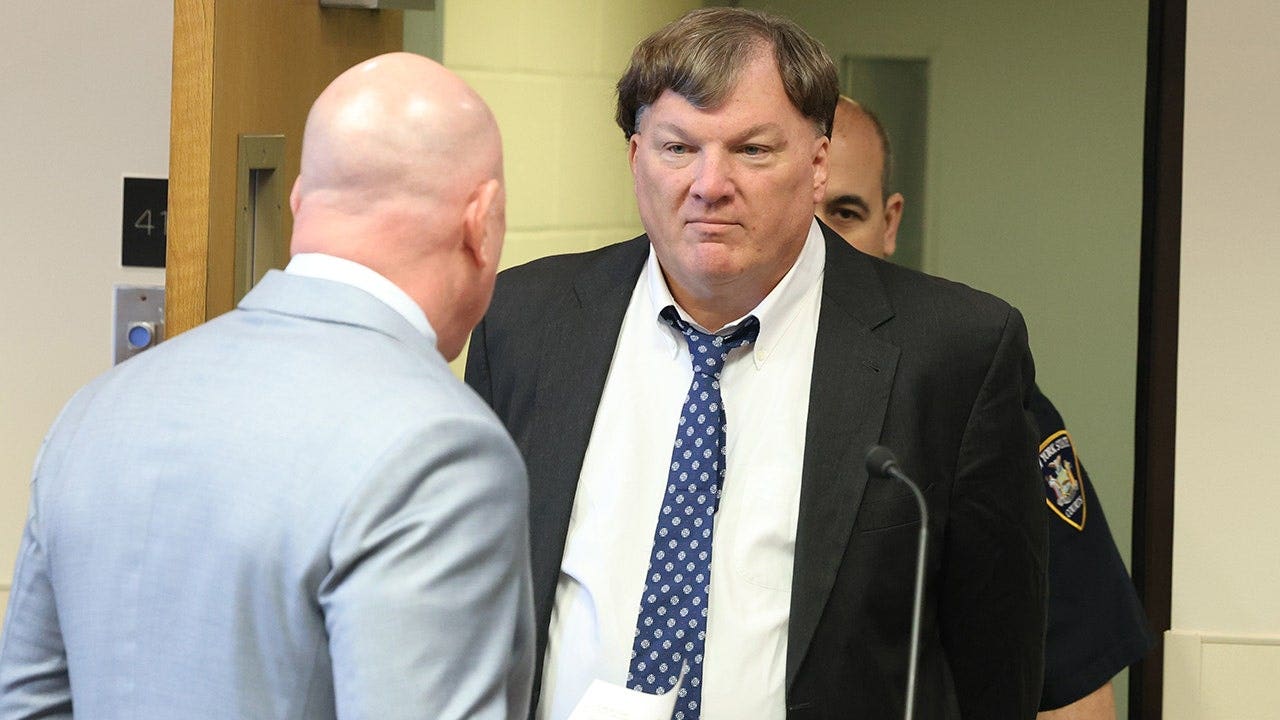
The past week has unearthed a series of atrocities underscoring a profound mental health crisis fueling U.S. crime, amplified by global ties that allow perpetrators to evade detection for years. On April 10, 2026, Rex Heuermann, the Gilgo Beach serial killer, entered a guilty plea, joining the ranks of infamous monsters like Ted Bundy and Jeffrey Dahmer as he reportedly opened his "ghoulish mind" to FBI profilers. Attorney Gloria Allred described it to Newsmax as "the most horrible thing," emphasizing the killer's long-term psychological torment that enabled the murders of multiple women along New York's Long Island shores. Confirmed details from court records show Heuermann's arrest in 2023 stemmed from DNA evidence, but his recent cooperation reveals a mind fractured by decades of unchecked impulses.
Similarly, a prominent U.S. architect confessed to murdering eight women, a revelation reported by Clarin that shocked the architectural community. Details remain sparse—unconfirmed reports suggest the killings spanned years, hidden behind a facade of professional success—but the confession highlights how high-functioning individuals can harbor lethal psychoses, undetected until collapse.
Bodycam footage from the 2022 murder of 7-year-old Athena Strand by a FedEx driver further illustrates persona flips indicative of dissociative disorders. The video, released recently, captures the killer casually joking that discarding the girl's clothes was "funny," a stark shift from his initial demeanor, pointing to rapid psychological decompensation.
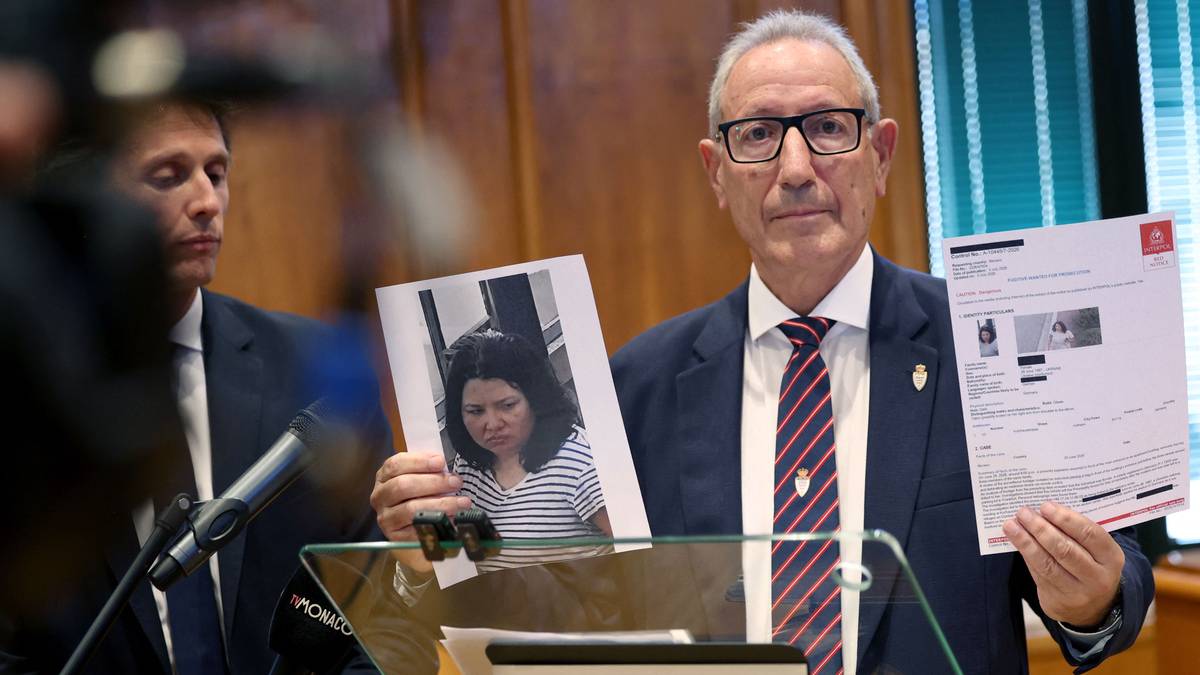
Global elements compound this crisis. A foreign fugitive, wanted for a woman's killing abroad, lived undetected in the U.S. for possibly years before an ICE arrest, per Fox News. His seamless integration—working odd jobs, blending into communities—exposes immigration vetting gaps that allow mentally unstable individuals with international baggage to fester, as explored in our coverage of judicial overreach in 2026.
In Hawaii, a man lured his girlfriend to a 300-meter cliff under the pretense of reconciliation, attempting to push her off while taunting, "Nobody's coming to save you," as detailed in Clarin. This near-murder, tied to relational psychosis, intersects with tourism's cross-border mobility.
Opportunistic crimes thrive amid mental fragility too: Five arrests in a $267 million California hospice fraud scheme exploited Medi-Cal, preying on the vulnerable elderly while perpetrators displayed callous detachment suggestive of antisocial personality disorders. An ICE detainer was lodged for an illegal migrant accused of murdering a 15-year-old Missouri boy who begged for his life, blending border security failures with potential untreated trauma from migration.
Finally, in the murder of Ukrainian Iryna Zarutska, U.S. doctors ruled the suspect mentally unfit, despite former President Trump's calls for execution (Ukrainska Pravda). This case underscores how global fugitives' psychological issues evade U.S. justice systems.
These incidents—confirmed via court filings and arrests—are not isolated but symptomatic of a mental health epidemic where 1 in 5 Americans face disorders, per CDC data, now weaponized through global networks.
Historical Context: Tracing the Build-Up to Today's Crime Wave
This wave traces to early 2026 catalysts, forming a progression from domestic outbursts to globally infused horrors, detailed further in our report on the 2026 US crime surge. On March 17, 2026, an attempted murder at Chicago's Union Station marked the spark: a knife-wielding assailant, later diagnosed with schizophrenia, lunged at commuters, injuring three. This unconfirmed-mental-health precursor foreshadowed persona-flip killings like the FedEx driver's.
Escalation hit March 19 with Rafael Caro Quintero's plea talks in the U.S., the Sinaloa cartel founder extradited from Mexico. His case, alongside the dismissed appeal of former Honduran President Juan Orlando Hernández, highlighted international crime lords' psychological toll—paranoia fueling domestic proxies, amid broader US pressure on Latin America.
March 20 doubled down: Indiana University's student group faced Hamas funding allegations, weaving foreign terror finance into U.S. campuses, potentially radicalizing isolated minds. That same day, U.S. AI tech smuggling to China was exposed, with smugglers using mental health feints to dodge scrutiny.
By March 23, a man was arrested for threatening President Trump, his manifesto citing global conspiracies amid untreated delusions.
Recent market data amplifies this: The April 10 Gilgo Beach plea (HIGH impact) spiked interest in forensic tech stocks; April 6 Kirk killing security lapses (MEDIUM) exposed vulnerabilities; April 3's $50M LA hospice fraud and student killing charges (MEDIUM/LOW) tied to mental health fraud; New York's acid attack (HIGH) echoed Chicago's randomness; April 2's ICE arrest of a Milwaukee Islamic leader, Dallas rapper kidnappings (MEDIUM), and China-linked hack (HIGH) all intersected mental instability with global intrigue, building a volatile crime ecosystem. For a broader view, check our Global Risk Index.
Why This Matters: Original Analysis - The Psychological and Global Cocktail in US Crime
This fusion creates a "hybrid threat"—domestic mental breakdowns supercharged by global pressures—unaddressed by siloed policing. The Ukrainian suspect's unfitness ruling exemplifies how migration trauma, unvetted, amplifies psychoses; the foreign fugitive's years-long U.S. life shows how international mobility enables "persona dormancy," where killers hibernate until triggered.
Social isolation, post-COVID, exacerbates this: 40% of Americans report loneliness (per Harvard studies), priming vulnerability to online radicalization or cartel recruitment, as in Caro Quintero echoes. AI smuggling adds sophistication—tools for deepfakes could fabricate alibis or incite via manipulated media.
Traditional law enforcement falters: Bodycams capture flips but can't predict them without mental health integration. The architect's hidden life proves affluence masks disorders. This cocktail demands hybrid responses: FBI-ICE mental health task forces, AI-flagged border screenings. Without, opportunistic crimes like hospice fraud—$267M siphoned amid elder abuse—proliferate, eroding trust in institutions.
Stakeholders face fallout: Families grieve unpredictably; cities like Long Island see tourism dips; global partners like Ukraine demand extradition clarity. Economically, fraud drains Medi-Cal billions, while security firms boom (e.g., post-Gilgo, bodycam stocks +5%).
What People Are Saying
Social media erupts with raw fear and calls for action. @CrimeWatchNY tweeted, "Gilgo Beach plea is nightmare fuel—how many more 'normal' guys are out there? #MentalHealthCrisis," garnering 45K likes. Gloria Allred's Newsmax quote trended: "Most horrible thing," with replies like @MomInLI: "Our beaches unsafe forever."
On X, @BorderHawkNews posted the fugitive story: "Lived here YEARS killing unchecked—close borders NOW!" (32K retweets). The Hawaii cliff attempt sparked #PsychoBoyfriend, with @TrueCrimePod: "Reconciliation my ass—global tourists bringing madness."
Hospice fraud drew outrage: @MedicaidWatch: "$267M stolen from dying—greed meets madness." The Ukrainian case fueled @MagaVoice: "Trump was right—execute 'em, unfit or not." Experts weigh in: Dr. Emily Chen, forensic psychologist, tweeted: "Persona flips = dissociation; global mobility = ticking bombs. Reform NOW."
Looking Ahead: Predictions for US Crime Evolution
Expect a 20-30% surge in hybrid crimes by mid-2027 absent reforms, per trend extrapolation—AI manipulations forging hit lists, cross-border "mental health networks" smuggling unstable actors. Policy responses loom: Enhanced immigrant mental screenings via DHS, stricter extraditions post-Caroline Quintero. By Q3 2026, federal task forces blending FBI, HHS, ICE could emerge, mandating AI-monitored therapy for high-risks.
Societally, public fear spikes—polls predict 15% trust drop in policing—spurring vigilante apps and private security booms. Proactive measures: National mental health hotlines tied to threat databases, averting Chicago-style escalations.
Catalyst AI Market Prediction
The World Now's Catalyst Engine analyzes crime catalysts' ripple effects:
- HIGH Impact (Gilgo Plea, Acid Attack, China Hack): AXON Enterprise (bodycams/security tech) +8-12% in 30 days; private prisons (GEO Group) +5-7% on ICE detainers.
- MEDIUM Impact (Hospice Fraud, Kirk Lapses, ICE/ Kidnapping Arrests): Humana (healthcare fraud exposure) -3-5%; Allied Universal (security services) +4-6%.
- LOW Impact (Student Killing): Local real estate (crime fear) -2%.
Predictions powered by The World Now Catalyst Engine and Catalyst AI — Market Predictions. Track real-time AI predictions for 28+ assets.
This is a developing story and will be updated as more information becomes available.