
Germany Hit by Intense Cold Snap and Storms: Travel Chaos, Power Outages Grip Northern Europe
Berlin, Germany – A severe cold snap that began on January 5, 2026, has plunged Germany into biting snow, frost, and ice, exacerbating challenging weather conditions for millions of residents. The situation intensified over the weekend as gale-force winds and storms swept through northern Europe, triggering widespread travel disruptions, school closures, and power outages affecting hundreds of thousands amid freezing temperatures.
The cold snap, which started at approximately 9:48 a.m. GMT on Monday, January 5, has brought high-severity weather impacts across Germany. Residents have faced hazardous road conditions due to snow accumulation, black ice on untreated surfaces, and plummeting temperatures that have made daily commutes and outdoor activities perilous. This prolonged freeze has set the stage for subsequent storms that battered the region, as reported by local news outlets covering the escalating crisis.
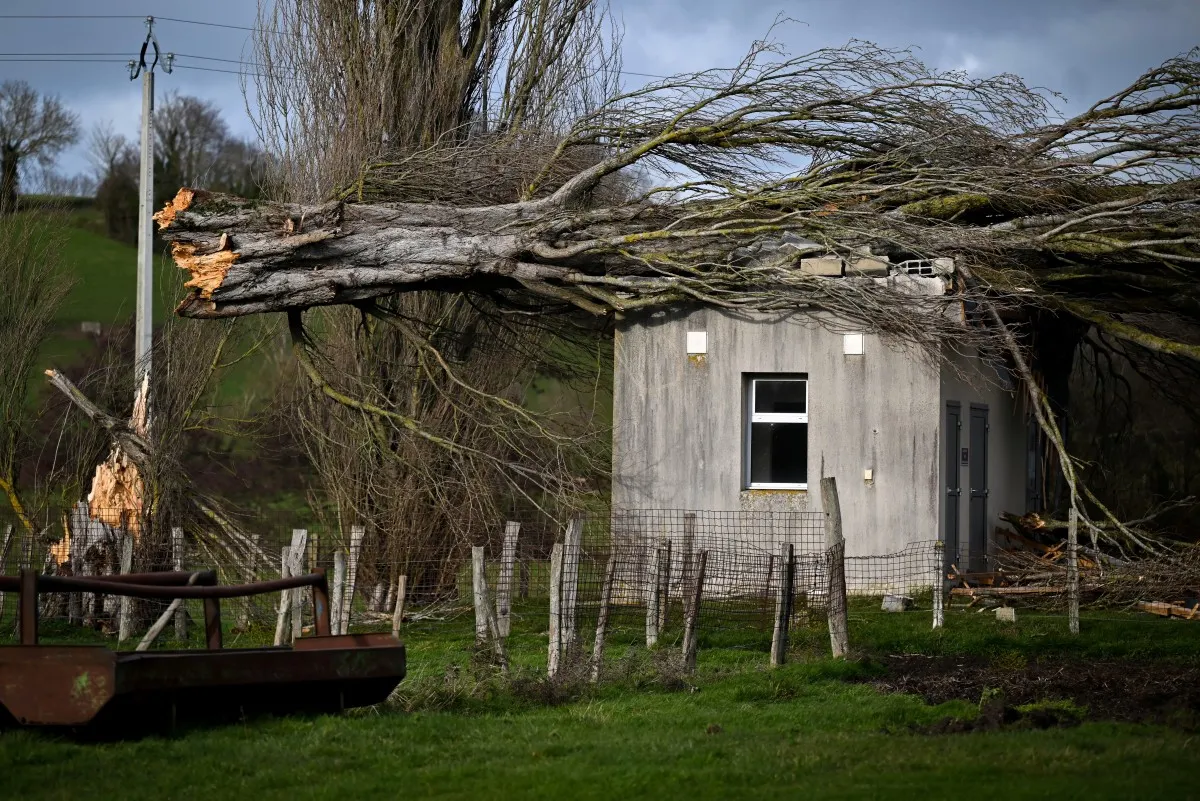
By January 10, the combination of the ongoing cold snap and powerful storms had led to significant mayhem. Gale-force winds tore through northern Europe, including key areas of Germany, claiming additional lives and amplifying the dangers posed by the frigid conditions. Travel networks ground to a halt: major highways saw closures due to ice and snow drifts, while rail services experienced widespread cancellations and delays. Airports in cities like Hamburg, Bremen, and Berlin reported flight disruptions, stranding passengers in unheated terminals. Ferry services across the North Sea were suspended, isolating coastal communities.
Power infrastructure proved particularly vulnerable. Hundreds of thousands of households across Germany and neighboring countries lost electricity as storm winds toppled power lines and damaged substations. In northern German states such as Schleswig-Holstein and Lower Saxony, which bore the brunt of the onslaught, emergency crews worked around the clock to restore service amid sub-zero temperatures. Schools shuttered their doors, with educational authorities prioritizing student safety over in-person classes; remote learning was implemented where possible, though internet outages compounded the challenges.
The storms' ferocity was underscored by their rapid intensification. Meteorological data from the German Weather Service (Deutscher Wetterdienst) indicated wind gusts exceeding 100 km/h (62 mph) in exposed areas, fueling blizzard-like conditions that piled snow against buildings and vehicles. Freezing rain added a treacherous layer of ice, turning sidewalks into skating rinks and contributing to a spike in accidents and emergency calls. Health officials warned of heightened risks for hypothermia and frostbite, urging the public to limit outdoor exposure.
Background and Regional Context
Germany's winter weather patterns often include cold snaps, but the severity of this event aligns with broader trends in northern Europe. January typically brings average temperatures around 0°C (32°F) in the north and slightly milder conditions in the south, but this year's early cold front—originating from Arctic air masses—has shattered norms. Historical precedents include the 2010 "Snowmageddon" that paralyzed Europe and the 2021 Storm Sabia, which similarly combined high winds with wintry precipitation.
Northern Europe, encompassing Germany, Denmark, Sweden, and the Netherlands, has seen a cascade of severe weather this season. The current storms follow a pattern of low-pressure systems tracking from the Atlantic, intensified by the cold snap's stable air mass. Climate records show that such events, while not unprecedented, have grown more disruptive due to aging infrastructure and urban expansion. Germany's Federal Office of Civil Protection and Disaster Assistance (BBK) activated regional alert levels, distributing salt for de-icing and deploying snowplows across motorways.
Economic repercussions are mounting. Freight transport, vital to Germany's export-driven economy, faced delays at ports like Hamburg, Europe's third-largest. Agricultural sectors reported early losses from frost-damaged crops, while energy demands surged as households cranked up heating systems—straining grids already hit by outages.
Impacts and Response Efforts
Local authorities mobilized swiftly. In Hamburg, the fire department handled over 1,000 storm-related calls in a single day, rescuing motorists from stranded vehicles and clearing fallen trees. Chancellor Olaf Scholz's government coordinated with EU partners for mutual aid, including power generators from Poland. Aid organizations like the German Red Cross set up warming centers in affected municipalities, distributing hot meals and blankets.
Public transportation operators, including Deutsche Bahn, issued apologies and compensation promises, but frustrations boiled over on social media, with commuters decrying the lack of preparedness. "We've had warnings for weeks, yet the chaos feels endless," one Berlin resident told reporters, echoing sentiments from icy streets.
Meteorologists forecast a gradual easing by mid-week, with the cold snap expected to persist but storms abating as high-pressure systems build. However, residual ice and snowmelt pose flood risks in low-lying areas. Authorities advise checking official apps like NINA for updates and preparing emergency kits.
As Germany navigates this multi-faceted weather crisis, it highlights the nation's vulnerability to compound events in an era of variable winters. Recovery efforts will likely extend into the coming days, with full restoration of normalcy dependent on sustained clear skies.
(Word count: 712)