
Germany Flags Suspected Russian Hybrid Attacks as Prelude to Broader Conflict Amid Ukraine Ceasefire Push
Berlin, January 7, 2026 – German authorities are increasingly viewing a series of covert operations attributed to Russia as a harbinger of escalating international conflict, coinciding with Berlin's announcement of fresh support for Ukraine aimed at sustaining a fragile ceasefire.
The assessment emerged on Tuesday, January 6, as tensions in Europe's geopolitical landscape intensified. German intelligence and security officials have characterized recent incidents – including suspected sabotage targeting critical infrastructure – as deliberate hybrid warfare tactics by Moscow. These actions, described in official briefings as "secret Russian attacks," signal a potential prelude to wider confrontation, according to sources familiar with the matter. This perspective underscores Berlin's heightened vigilance nearly four years into Russia's full-scale invasion of Ukraine.
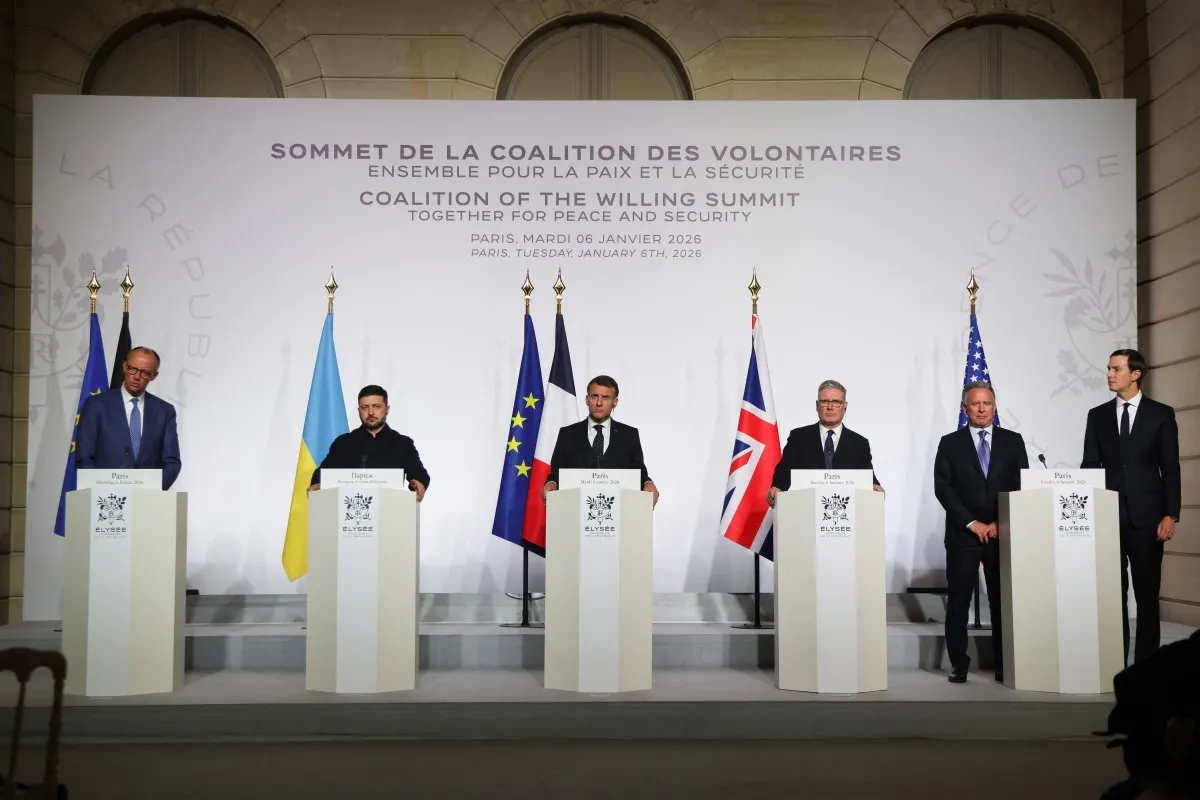
In a related development reported Wednesday, Germany joined a self-styled "coalition of the willing" in pledging assistance to Ukraine for maintaining an ongoing ceasefire. The initiative, detailed in a roundup of daily news by The Local Germany, reflects Berlin's commitment to stabilizing the front lines amid stalled peace talks. While specifics of the support package remain under negotiation, it builds on Germany's role as one of Kyiv's staunchest allies, having provided over €28 billion in military and humanitarian aid since 2022.
Details of the Russian Threat Perception
The perception of Russian attacks as a conflict precursor stems from a pattern of incidents across Germany in recent months. Federal intelligence agencies, including the Federal Office for the Protection of the Constitution (BfV) and the Federal Intelligence Service (BND), have documented multiple cases of arson, cyberattacks, and disruptions to logistics linked to Russian actors. Notable events include fires at factories producing military equipment for Ukraine and interference with rail and energy networks – echoes of similar sabotage reported in Baltic states and Poland.
BfV President Thomas Haldenwang warned earlier in 2025 that Russia was intensifying "gray zone" operations to undermine Western resolve without triggering direct NATO confrontation. "These are not isolated acts but a strategic campaign," a senior security official stated anonymously, aligning with Tuesday's classification of the activities as a "prelude to broader conflict." The timing coincides with Ukraine's push for international backing to enforce ceasefires in contested regions like Donbas and Kherson, where Russian forces have regrouped following Ukrainian incursions.
No official casualties have been reported from these incidents, but the medium-severity rating assigned by German analysts highlights the risk of escalation. Chancellor Olaf Scholz's government has responded by bolstering domestic security measures, including expanded surveillance of suspected Russian operatives and enhanced protection for Ukraine-bound shipments.
Ukraine Ceasefire Support and the 'Coalition of the Willing'
The ceasefire announcement provides critical context to Germany's stance. Alongside partners such as the United States, United Kingdom, France, and Poland, Berlin committed to diplomatic and logistical aid to help Kyiv hold ceasefire lines. "This coalition stands ready to ensure stability and deter aggression," a government spokesperson said in Wednesday's briefing, as covered by The Local Germany.
This move follows Ukrainian President Volodymyr Zelenskyy's repeated calls for "ironclad guarantees" against Russian violations, amid reports of over 1,000 daily artillery exchanges despite truce efforts. Germany's contribution may include intelligence sharing, ammunition stockpiles, and training for Ukrainian forces – measures designed to prevent a collapse that could embolden Moscow.
The "coalition of the willing" evokes historical alliances, reminiscent of post-9/11 groupings, but tailored to the protracted Ukraine crisis. It excludes hesitant NATO members like Hungary, highlighting fractures within the alliance.
Background: Hybrid Warfare in Europe's Shadow War
Russia's invasion of Ukraine on February 24, 2022, marked the largest conflict in Europe since World War II, displacing millions and reshaping global security. Germany, initially cautious due to its energy dependence on Russian gas, pivoted dramatically under the Zeitenwende (turning point) policy announced by Scholz. This included a €100 billion defense fund, suspension of Nord Stream 2, and leadership in arming Ukraine with Leopard tanks and IRIS-T systems.
Hybrid tactics have proliferated since: GPS jamming in the Baltic Sea, drone incursions over NATO borders, and sabotage plots foiled in Germany, such as the 2024 arrest of two Ukrainian nationals allegedly spying for Russia's GRU. The EU's VSSE intelligence fusion unit, launched in 2025, has tracked over 30 such operations continent-wide, with Germany as a prime target due to its industrial base and pro-Ukraine stance.
Public sentiment in Germany remains divided. Polls from ARD-Deutschlandtrend in late 2025 showed 62% support for aiding Ukraine, though economic strains from inflation and refugee costs fuel calls for de-escalation.
Outlook: Balancing Deterrence and Diplomacy
As winter deepens, the interplay of hybrid threats and ceasefire efforts tests Germany's resolve. Success in sustaining the truce could pressure Russia toward negotiations, potentially involving U.S. President-elect dynamics post-2024 elections. Failure risks spillover, with NATO invoking Article 4 consultations if attacks intensify.
Berlin's dual track – confronting sabotage while backing ceasefires – positions Germany at the vanguard of European security. Analysts monitor upcoming Ramstein Air Base meetings for further commitments, as the specter of broader conflict looms.
(Word count: 712)






