
Germany Endures Prolonged Cold Snap as Storms Elli and Goretti Bring Snow, Frost, and Widespread Disruption
Berlin, Germany – Germany has been gripped by a persistent cold snap since January 5, 2026, marked by snow, frost, and ice that have created hazardous conditions for millions of residents. The weather event, rated as medium severity, escalated this week with the arrival of Storm Elli and the impending impact of Storm Goretti, prompting warnings of heavy snowfall, strong winds, and further chaos across the country.
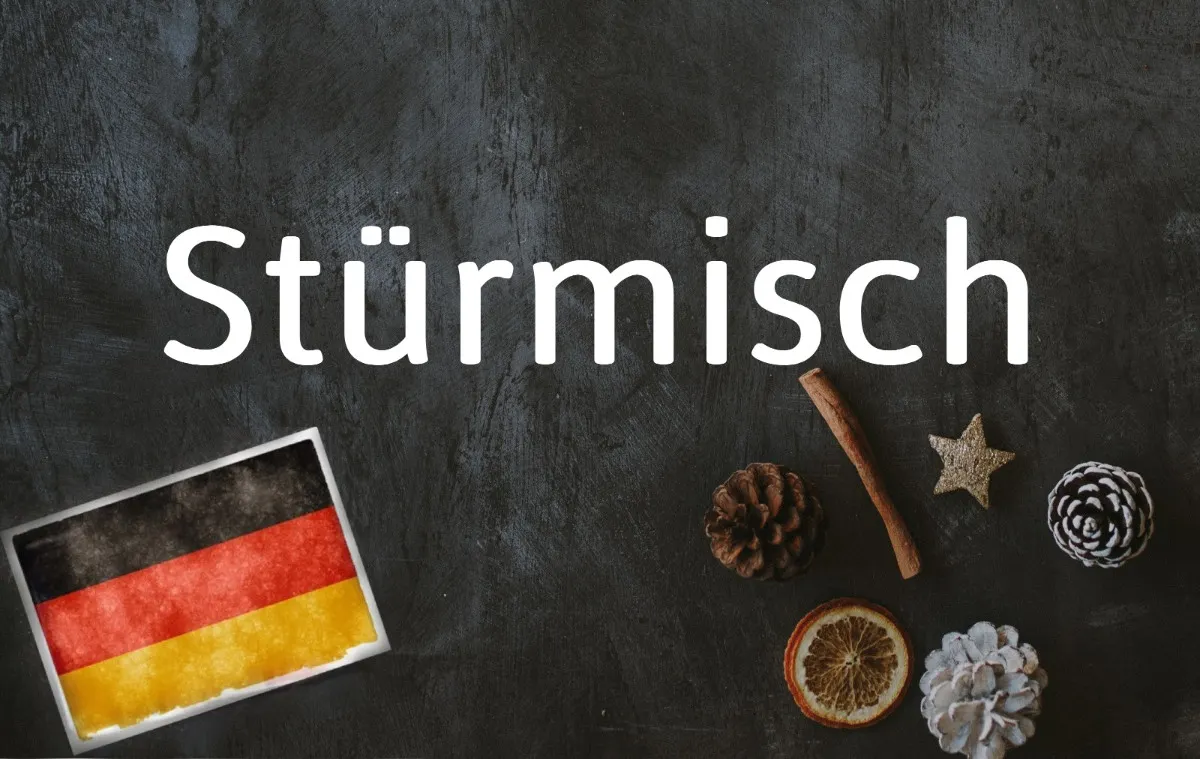
The cold snap began on Monday, January 5, at approximately 9:48 a.m. GMT, ushering in sub-zero temperatures, icy roads, and snowfall that disrupted daily life. By early this week, the situation intensified as Storm Elli swept through, embodying the German word "stürmisch" – meaning stormy or tempestuous. Reports describe the storm causing widespread chaos, with gusty winds and precipitation turning streets into slippery hazards and complicating travel nationwide.
As Storm Elli's effects lingered, meteorologists shifted focus to Storm Goretti, which began affecting northern Europe on January 9. Germany is now bracing for additional heavy snowfall and strong winds from this system, which has already impacted neighboring regions including France. Authorities have urged caution, emphasizing the risks of black ice, reduced visibility, and potential power outages in vulnerable areas.
Details of the Weather Onslaught
Storm Elli, highlighted in linguistic and cultural commentary amid the turmoil, brought the full force of "stürmisch" weather to Germany. Published reports from January 9 note that the storm's chaotic influence was immediately evident outdoors, with high winds scattering debris and snow blanketing urban and rural landscapes alike. The term "stürmisch" extends beyond meteorology in German usage, applicable to turbulent personalities or situations, but its literal stormy connotation has dominated public discourse during this event.
Compounding the challenges, Storm Goretti arrived as a potent low-pressure system barreling across northern Europe. German weather services and emergency responders have prepared for its core impacts: intense snowfall accumulations and gale-force winds capable of reaching hazardous speeds. The storm's trajectory threatens to exacerbate the ongoing cold snap, with forecasts predicting sustained freezing temperatures that could lead to prolonged frost and ice buildup on infrastructure.
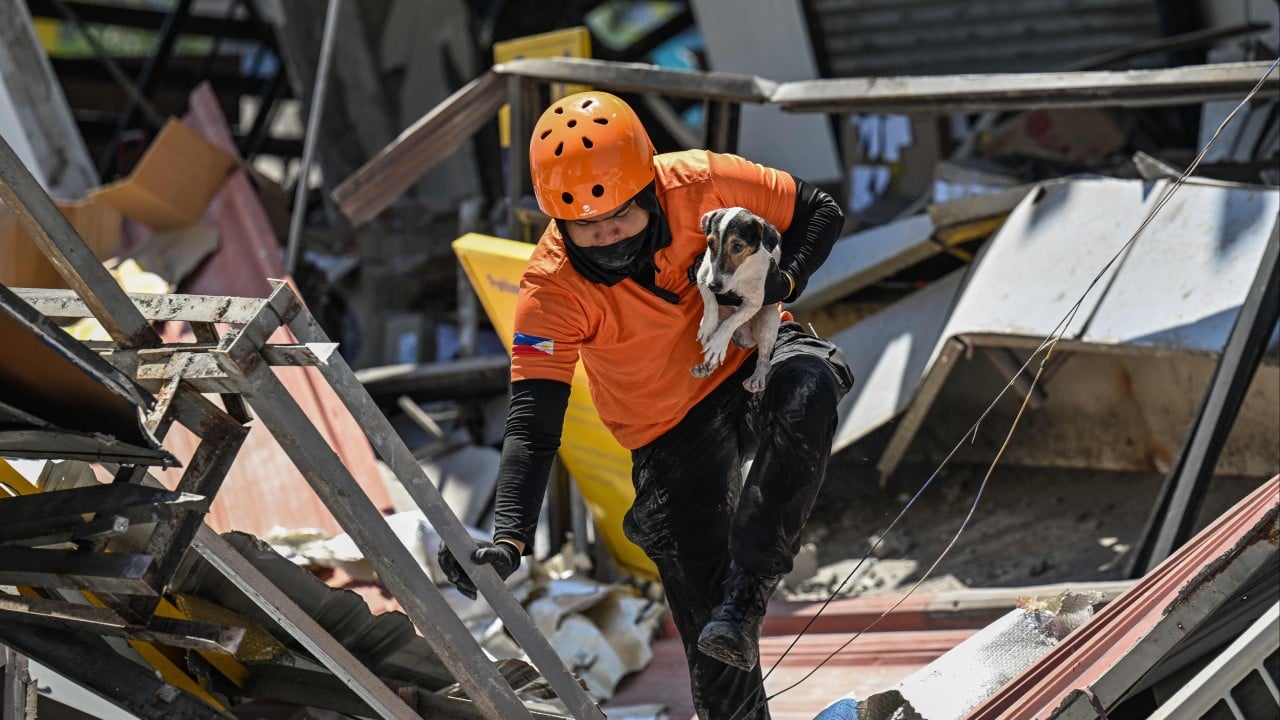
Transportation networks have felt the strain. Roads, railways, and airports reported delays and cancellations as snow and ice accumulated. In northern and central regions, where the cold snap first took hold, residents faced difficulties navigating untreated surfaces, while urban centers like Berlin and Hamburg dealt with cleared but refreezing streets.
Background on Germany's Winter Weather Patterns
Germany's winter weather is frequently shaped by Atlantic storm tracks, where depressions from the North Atlantic Ocean barrel eastward, dumping precipitation as rain in milder spells or snow during colder outbreaks. The naming of storms like Elli and Goretti follows a convention established by national meteorological agencies; Germany collaborates with neighbors such as the UK Met Office and Free University of Berlin to assign names alphabetically each season, aiding public awareness.
This cold snap aligns with episodic polar air intrusions common in early January, when high-pressure systems over Scandinavia or Russia funnel frigid air southward. Historical parallels include the severe winter of 2010, when Storm Xynthia and others caused flooding and disruptions, or the 2021 cold wave that led to energy shortages. Climate analyses indicate that while overall European winters have warmed, extreme events like intense storms remain a fixture due to the jet stream's variability.
The current episode, starting January 5, fits into a broader pattern of variable early 2026 weather across Europe. Preceding mild conditions gave way abruptly to this freeze, catching some unprepared despite seasonal forecasts.
Regional Impacts and Response Measures
Northern Germany, particularly states like Schleswig-Holstein and Lower Saxony, are at the forefront of Storm Goretti's advance, with snow depths potentially exceeding 20 centimeters in isolated areas. Central regions, including Bavaria and Hesse, continue to grapple with frost-induced issues from the initial cold snap. Southern areas have seen lighter but persistent snowfalls, contributing to a nationwide alert status.
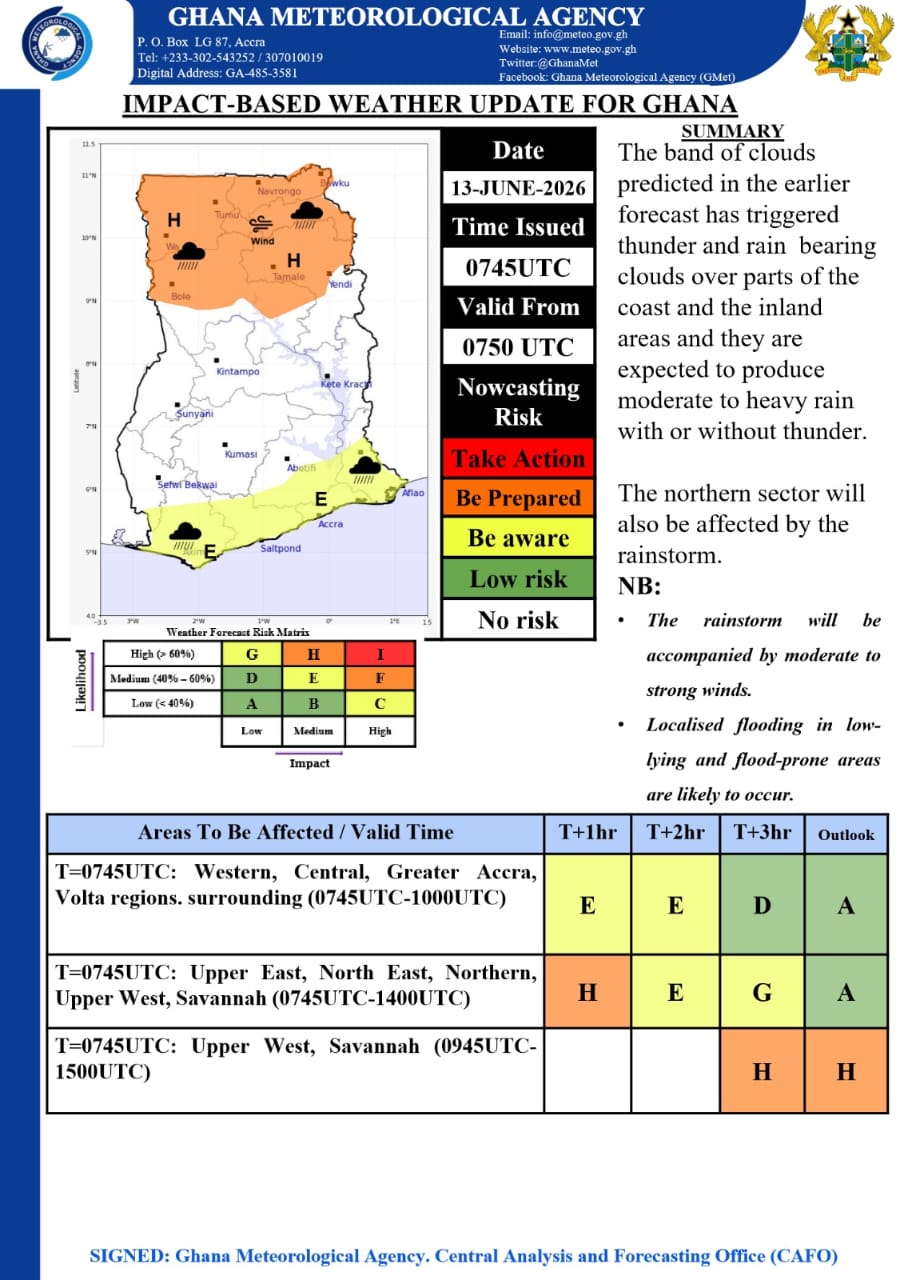
Government and local authorities have mobilized snowplows, salting operations, and emergency hotlines. The German Weather Service (DWD) has issued amber-level warnings, advising against non-essential travel. Schools and businesses in affected zones have implemented flexible closures or remote operations to mitigate risks.
Public health officials warn of hypothermia dangers for the vulnerable, including the elderly and homeless populations, amid biting winds and overnight lows dipping below -10°C in some spots.
Outlook: Continued Vigilance Required
As Storm Goretti progresses, Germany anticipates peak impacts through the weekend of January 10-11, 2026, with the cold snap showing no immediate signs of relenting. Forecasts suggest a gradual moderation by mid-next week, but lingering snowmelt could pose flooding risks if thaws arrive suddenly.
Residents and officials remain on high alert, drawing on lessons from past events to minimize disruptions. This sequence of weather underscores the unpredictable nature of European winters, blending cold snaps with powerful storms in a reminder of nature's force.
(Word count: 712)