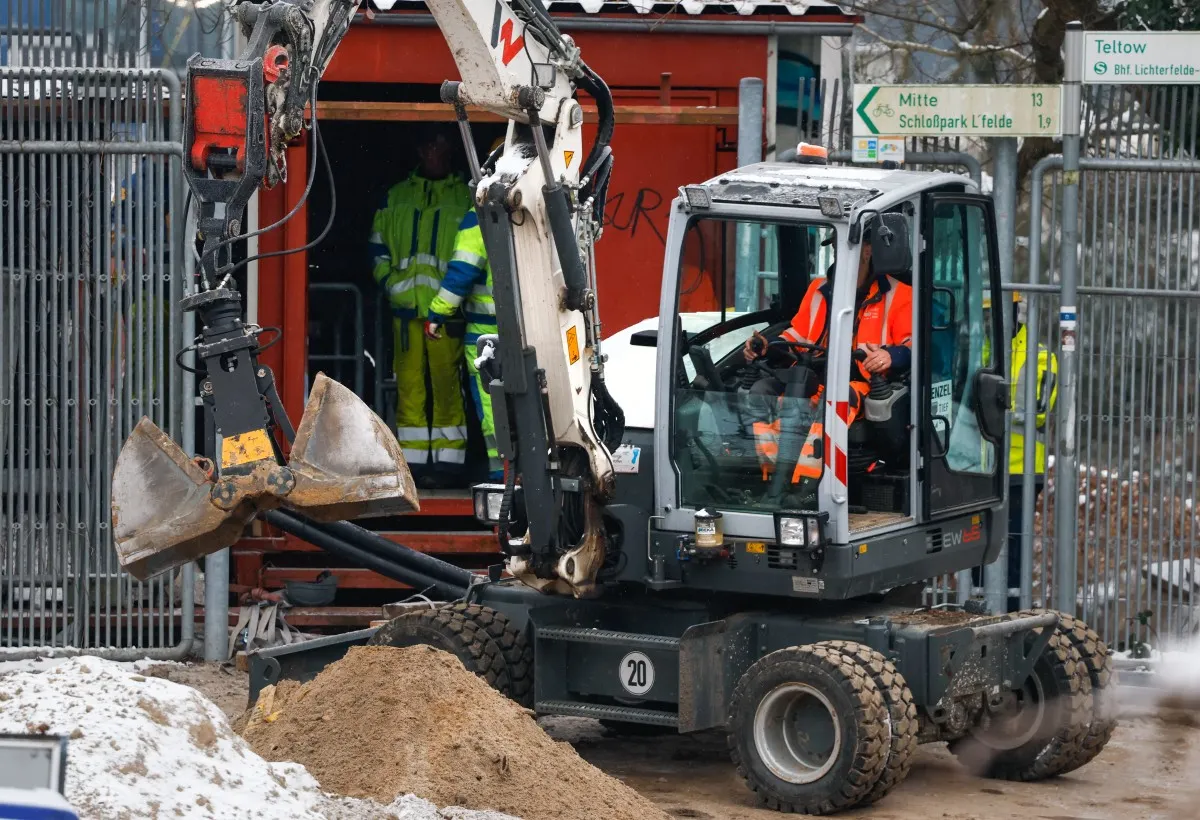

German Prosecutors Open Terrorism Investigation into Far-Left Arson Attack on Berlin Power Infrastructure
Berlin, Germany – Federal prosecutors in Germany have initiated a terrorism investigation into a suspected far-left arson attack on high-voltage power cables in Berlin, which plunged approximately 45,000 households into darkness over the weekend. The incident, occurring on January 4, 2026, has heightened concerns over domestic extremism amid ongoing debates about infrastructure security in Europe's largest economy.
The attack took place around 2:16 p.m. UTC on Sunday, January 4, when unidentified perpetrators set fire to critical power cables in the German capital. Berlin police quickly attributed the act to a far-left group, classifying it as a deliberate sabotage effort. The resulting blackout affected tens of thousands of residents, disrupting daily life, public services, and businesses in multiple districts. Power was gradually restored in the following hours, but the incident exposed vulnerabilities in urban energy grids.
On Tuesday, January 6, Germany's federal prosecutors – known for handling high-profile cases involving national security – announced they were taking over the probe, elevating it to a potential terrorism case. According to reports, the investigation focuses on evidence suggesting ideological motivations linked to far-left extremism. "This is a serious attack on critical infrastructure," a spokesperson for the Federal Prosecutor's Office stated, as cited in coverage from The Local Germany. The move underscores the gravity with which authorities view threats from radical groups, potentially leading to charges under anti-terrorism statutes if political motives are confirmed.
Berlin police have secured the site and are reviewing surveillance footage, witness statements, and forensic evidence from the arson scene. Initial findings point to incendiary devices placed strategically to maximize disruption. No group has claimed responsibility as of Wednesday, January 7, but investigators are exploring connections to known far-left networks active in Germany, which have previously targeted symbolic sites associated with capitalism, globalization, or state power.
Background on Far-Left Extremism in Germany
Germany has a long history of left-wing militancy, dating back to the Red Army Faction (RAF) in the 1970s and 1980s, which carried out bombings, assassinations, and kidnappings in protest against perceived imperialism and fascism. While the RAF disbanded in the 1990s, fragmented far-left groups have persisted, often blending anti-capitalist, anarchist, and environmental ideologies. In recent years, authorities have noted a rise in arson and sabotage incidents attributed to such actors, particularly against railway lines, construction sites for fossil fuel projects, and now electrical infrastructure.
The Berlin incident fits into a broader pattern documented by German intelligence services. The Federal Office for the Protection of the Constitution (BfV) reported in its 2024 annual assessment an uptick in "militant left-wing" activities, with over 30 arson attacks nationwide in 2025 alone, many linked to opposition against infrastructure expansions like the debated Tesla Gigafactory near Berlin or North-South railway corridors. Climate radicals, sometimes overlapping with far-left circles, have also claimed similar actions under banners like "Volxtank" or "Ende Gelände," though police emphasize ideological rather than purely ecological drivers in this case.
This event occurs against a tense domestic security landscape. Germany has faced multiple terrorism threats in recent years, including Islamist plots thwarted in 2024 and far-right extremism, which remains the dominant concern per BfV data. However, left-wing violence has prompted calls for tougher measures. In 2023, the government passed laws enhancing penalties for attacks on critical infrastructure, reflecting vulnerabilities exposed by events like the 2021 cyber disruption of fuel pipelines and repeated rail sabotages.
Investigation and Immediate Aftermath
The blackout's scope was significant: 45,000 households – roughly 100,000 people – lost power for up to several hours, according to utility provider reports. Emergency services responded swiftly, with no injuries reported, but the disruption rippled through hospitals, schools, and transportation hubs. Berlin's public transport operator BVG noted delays on U-Bahn and S-Bahn lines, while local authorities urged energy conservation during restoration efforts.
Prosecutors' involvement signals a coordinated federal response, potentially involving the Bundeskriminalamt (BKA), Germany's federal crime police. Experts anticipate forensic analysis of accelerants used in the fire could yield DNA or chemical signatures tying suspects to prior incidents. "Such attacks aim to sow chaos and challenge the state's authority," a BKA official commented anonymously in related coverage, highlighting the ideological stakes.
Political reactions have been swift. Berlin Mayor Kai Wegner (CDU) condemned the act as "an assault on our city's heartbeat," vowing increased surveillance around energy sites. Green Party leaders, while denouncing violence, called for addressing root causes like social inequality. Interior Minister Nancy Faeser reiterated the government's commitment to protecting critical infrastructure, which supplies power to 83 million Germans through a network managed by firms like Tennet and 50Hertz.
Outlook and Broader Implications
As the investigation unfolds, authorities hope to prevent copycat incidents amid Europe's energy transition challenges. Germany's Energiewende – its shift to renewables – has made grids more complex and potentially more susceptible to sabotage, with recent reports warning of hybrid threats combining physical and cyber elements.
No arrests have been made, but the terrorism label could expedite international cooperation if foreign links emerge. For Berliners, the event serves as a stark reminder of urban fragility, prompting discussions on resilience measures like hardened cabling or AI-monitored perimeters.
The case remains active, with updates expected as evidence mounts. In a nation balancing democratic freedoms with security, this probe tests Germany's resolve against homegrown extremism.
(Word count: 748)






