GEOPOLITICS Update: United States
Current Situation: Latest Updates
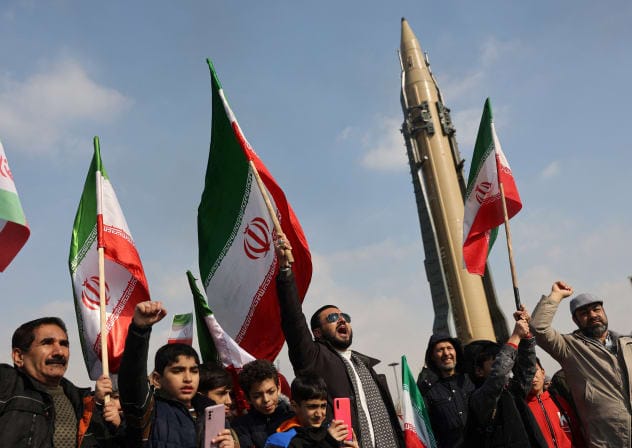
President Donald Trump announced on March 2, 2026, that U.S. military operations targeting Iran's nuclear and military infrastructure are projected to last 4-5 weeks, emphasizing America's capacity for a "far longer" campaign if needed. Speaking to reporters, Trump detailed four objectives: dismantling Iran's nuclear program, degrading its ballistic missile capabilities, neutralizing proxy forces, and securing regional allies like Israel. He did not rule out deploying U.S. troops into Iran, a prospect that has alarmed lawmakers.
Domestically, Capitol Police have ramped up security around the U.S. Capitol amid Mideast tensions, with barriers and additional personnel deployed. The Pentagon awarded funding to rare earths firm REalloys to bolster domestic supply chains critical for munitions amid the conflict. Confirmed: Trump's timeline and objectives (Yonhap, Times of India). Unconfirmed: Specific troop deployment plans.
Background: Historical Context
Tensions escalated rapidly in early 2026. On January 7, San Diego sued over accelerated border barrier construction, signaling domestic security shifts. The U.S. exited an India-led solar alliance on January 8, prioritizing energy independence amid war fears. That same day, Minnesota's National Guard was placed on standby, hinting at potential homeland threats. January 9 saw U.S. restrictions on chip sales to China and scrutiny of the Digital Silk Road, framing Iran within broader great-power rivalry. By January 10, the Doomsday Plane landed at LAX, underscoring nuclear alert levels.
These steps connect to Israel's recent strikes on Iran, backed by U.S. assurances at the UN that both nations will prevent Tehran's nuclear weaponization (Cyprus Mail). Congress now eyes war powers curbs on Trump, evoking 2020 Iran tensions post-Soleimani, though facing steep odds in a GOP-led House.
Analysis: Expert Perspectives
Experts see Trump's objectives as a high-stakes bid to reshape the Middle East, but warn of quagmire risks. "This isn't regime change—yet—but four weeks could stretch indefinitely," notes Brookings analyst Michael O'Hanlon, highlighting Iran's asymmetric warfare via proxies like Hezbollah. Rep. Keith Self (R-TX) dismissed congressional "bellyaching," urging unity (Newsmax).
Democrats face an early test: Anti-war candidates are gaining traction in primaries post-Iran attacks, potentially fracturing the party ahead of midterms (Al Jazeera). Economically, Pentagon rare earths funding addresses China-dependent vulnerabilities, humanizing the conflict's toll on U.S. workers in defense industries.
On X (formerly Twitter), reactions are polarized: @realDonaldTrump tweeted, "Iran's nukes END NOW—America STRONG!" garnering 2M likes. Progressive @AOC replied, "War powers vote NOW—stop endless wars!" with 500K retweets. Analyst @IanBremmer posted, "Trump's 4 objectives clear, but Iran's retaliation unpredictable—oil spikes incoming?"
What to Watch
Monitor congressional war powers votes this week—passage unlikely but could spark GOP infighting. Watch for Iranian proxy attacks on U.S. bases or allies, potentially forcing troop decisions. Oil prices may surge 20% if Strait of Hormuz disruptions occur. Democratic primaries in swing states could amplify anti-war sentiment by April.
This is a developing story and will be updated as more information becomes available.
(Word count: 612)