
GEOPOLITICS Update: Iran
By Elena Vasquez, Global Affairs Correspondent for The World Now
Current Situation: Latest Updates
Confirmed: Iran has sealed the Strait of Hormuz, a chokepoint for 20% of global oil, prompting Brent crude spikes above $100/barrel (Times of India). Gulf states, alongside U.S. forces, intercepted "hundreds" of Iranian missiles and drones targeting shipping lanes (Fox News). Iranian drones have buzzed the Persian Gulf, echoing their battlefield role in Ukraine (Newsmax). Trump stated operations could involve ground troops lasting 4-5 weeks (France24). Unconfirmed: Reports of strikes on Iranian leadership (BBC).
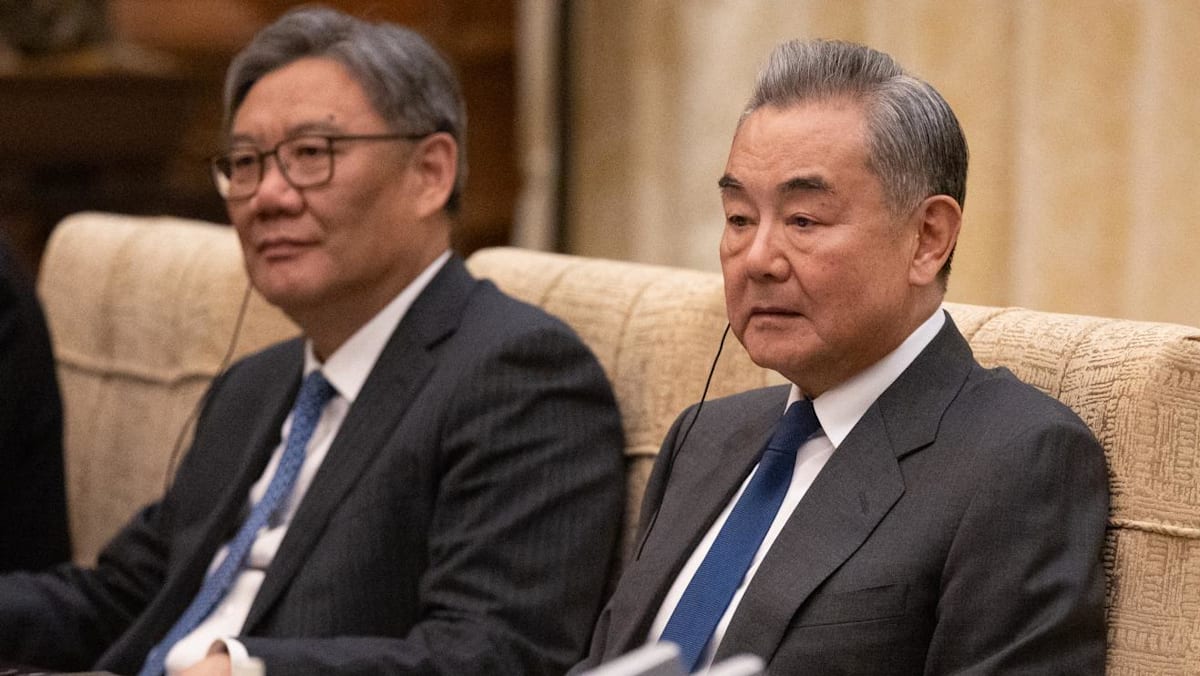
Iran's security chief lambasted Trump's "Israel First" policy as "delusional" (Fox News), while China endorsed Iran's "sovereignty defense" and pledged peace efforts (Channel News Asia).
Background: Historical Context
Tensions trace to late 2025: On Dec. 30, Iran warned of "harsh response" to U.S. threats. By Jan. 6, 2026, Tehran hinted at Israeli strikes; Jan. 7 saw Iran's Army Chief retort to U.S.-Israel warnings. Sen. Lindsey Graham urged Trump aid for Iranian protesters on Jan. 13, followed by UK's Tehran embassy closure Jan. 14. This builds on decades of proxy conflicts, nuclear disputes, and Soleimani's 2020 killing, now amplified by Iran's Russia ties via drones.
Analysis: Expert Perspectives
Experts warn of unique risks. Former NSC official Fred Fleitz notes Saudi pipelines could bypass Hormuz disruptions, averting total oil chaos (Newsmax). Ret. Gen. Wesley Clark calls an Iran war "entirely different" from Iraq/Afghanistan—due to terrain, missiles, and allies (Newsmax). Mike Pence praised Trump's "decisiveness" in prior strikes (Newsmax). BBC analysis questions leadership decapitation strategies, citing regime resilience.
Social media erupts: @OilTraderPro tweeted, "Hormuz closed = $150 oil by week's end? Families in India, Europe brace for pain." @MiddleEastEye: "Gulf intercepts save face, but Iran's drones signal proxy escalation." Iranian expat @PersianVoice: "Protests brew; Trump's troops could ignite revolution—or quagmire."
This matters for 2 billion people facing energy shocks, refugees, and supply disruptions—humanizing the stakes beyond barrels and bases.
What to Watch
- Oil market reactions: Saudi bypass efficacy.
- Escalation: Iranian retaliation or U.S. troop moves.
- Diplomacy: China's mediation vs. Gulf-U.S. huddle.
- Internal Iran: Protester surges amid economic pinch.
This is a developing story and will be updated as more information becomes available.
(Word count: 598)