Geopolitics Iran update shows Iran suspending US talks over Lebanon strikes
In recent geopolitics iran developments, Iran has suspended negotiations with the Trump administration aimed at extending a ceasefire and reopening the Strait of Hormuz, citing intensified Israeli military operations in Lebanon and disputes over proposed deal terms. [5] This move comes amid ongoing regional tensions that have complicated diplomatic efforts between Tehran and Washington.
Iran Suspends US Negotiations
Iran suspended negotiations with the Trump administration on Monday aimed at extending a ceasefire and reopening the Strait of Hormuz. The decision was driven by intensified Israeli military operations in Lebanon along with disputes over proposed deal terms. [5] Officials in Tehran framed the halt as a direct response to the escalation, signaling that further progress on any bilateral understanding would require addressing these core concerns first. The suspension reflects the interconnected nature of ceasefire talks and broader security dynamics in the region, where actions by third parties can quickly derail bilateral channels.
Parliament Speaker Issues Warning
Iran’s parliament speaker warned that talks with the US could be halted if Israeli attacks on Lebanon continue. He stated that any deal must include a halt to those attacks. [4] Mohammad Bagher Qalibaf conveyed this position during a phone call with his Lebanese counterpart, emphasizing that continued Israeli operations would make further discussions with Washington untenable. The speaker’s remarks underscore Tehran’s insistence that Lebanese security issues cannot be separated from any potential agreement, positioning the end of strikes as a non-negotiable precondition for resuming dialogue.
Military Threat Over Beirut Strikes
The Iranian army threatened to attack Israel in response to bombings in Beirut. [1] This statement followed reports of Israeli strikes in the Lebanese capital and was presented as a direct defensive posture by Iranian military leadership. The threat highlights how events on the ground in Lebanon are prompting explicit warnings from Tehran, potentially raising the risk of wider confrontation if the pattern of strikes persists.
Lebanon Truce Developments in Geopolitics Iran
Hezbollah and Israel accepted a US plan for a limited truce in Lebanon, though Iranian officials appeared to threaten the ceasefire. [2] The US intervention facilitated this acceptance even as Iranian statements cast doubt on the durability of the arrangement amid Israel’s widening attacks. The limited truce represents a narrow window for de-escalation, yet the reactions from Tehran suggest that external actors may continue to influence whether the pause holds or unravels.
Trump Administration Stance
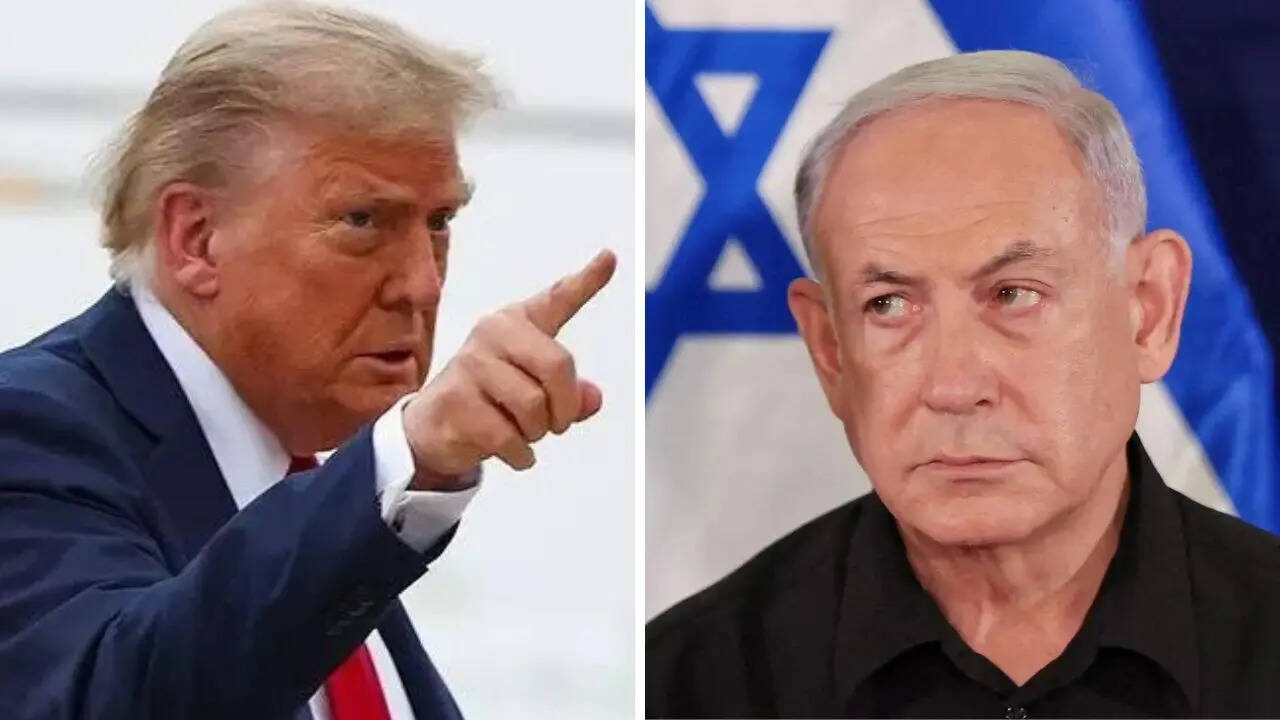
Trump stated that he does not care if Iran talks are over. [3] This comment was offered in response to reports of the suspended negotiations, indicating a willingness on the US side to proceed without immediate resumption of the channel. The remark reflects the administration’s current posture toward the diplomatic impasse and its apparent readiness to absorb the breakdown without immediate countermeasures.
What to watch next: Continued Israeli operations in Lebanon could further test the limited truce accepted by Hezbollah and Israel, while Iranian officials have already linked any return to US talks with a halt to those attacks.