
Geopolitics Iran update: Iran suspends US negotiations over Lebanon strikes
In the sphere of geopolitics iran, the latest shift involves Iran halting direct negotiations with the Trump administration. This development centers on extending a ceasefire and reopening the Strait of Hormuz, with Iranian officials pointing to intensified Israeli military operations in Lebanon and disagreements over proposed deal terms as the core reasons for the suspension.
Geopolitics Iran: Iran Suspends US Negotiations
Iran has suspended negotiations with the Trump administration aimed at extending a ceasefire and reopening the Strait of Hormuz. The decision stems directly from intensified Israeli military operations in Lebanon along with disputes over proposed deal terms. This move marks a clear break in the diplomatic channel that had been active until recently. Iranian representatives emphasized that continued talks would require addressing these operational and contractual sticking points before any resumption could occur. The suspension affects efforts to stabilize maritime access through the Strait of Hormuz and maintain the existing ceasefire framework. [5]
Parliament Speaker’s Warning
Iran’s parliament speaker warned that talks with the US could be halted if Israeli attacks on Lebanon continue. Mohammad Bagher Qalibaf conveyed this position during a phone call with his Lebanese counterpart, stating that any deal with Washington must include a halt to Israeli attacks, particularly on Lebanon. The condition links the viability of US-Iran negotiations explicitly to de-escalation in Lebanon. This stance reflects Iran’s insistence that regional security concerns tied to Lebanon remain non-negotiable elements in any broader agreement. The warning underscores how external military actions influence the trajectory of bilateral discussions between Tehran and Washington. [4]
Iranian Military Threat
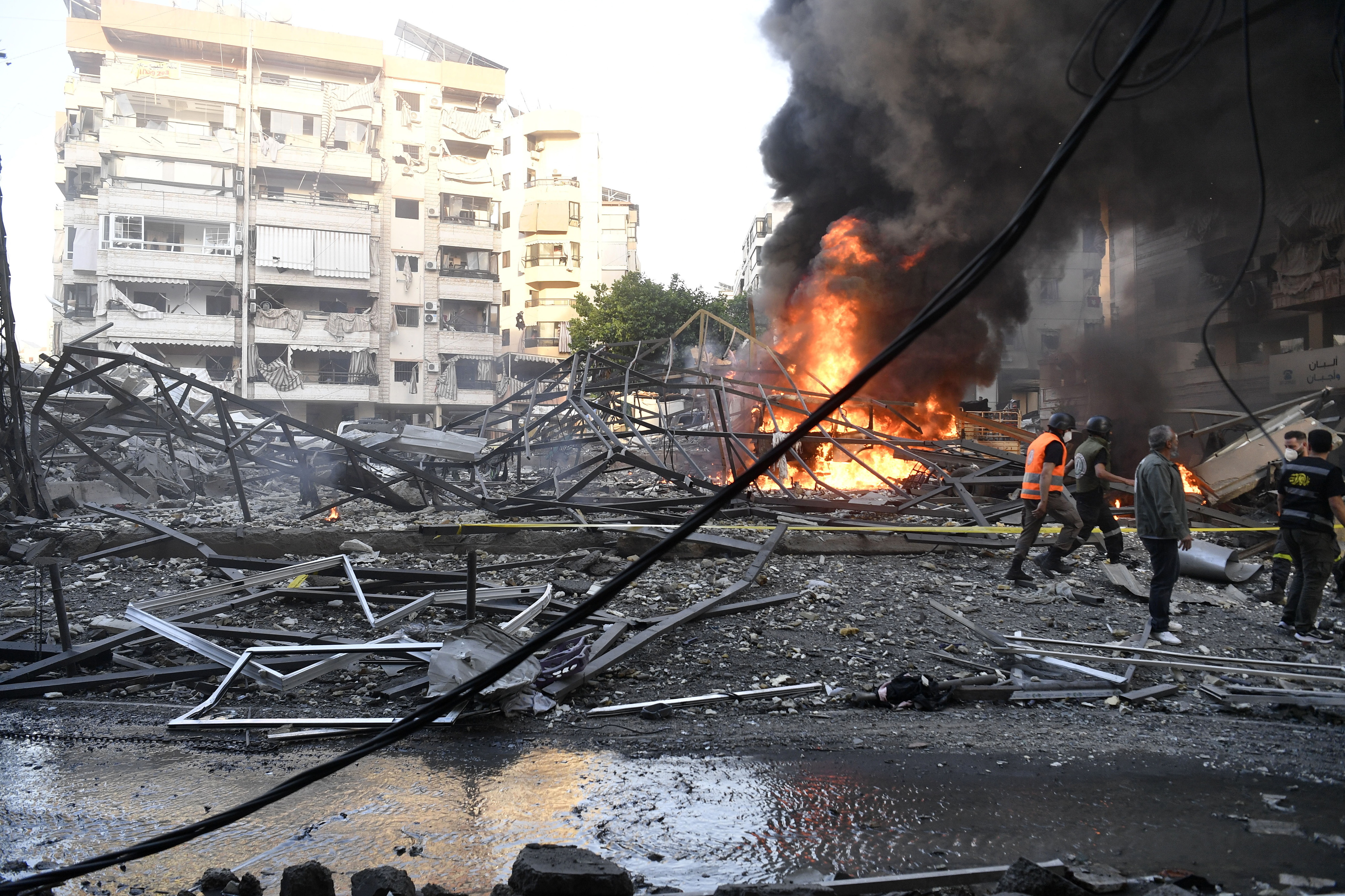
The Iranian army threatened to attack Israel in response to bombings in Beirut. This statement from Iranian military sources signals a direct linkage between Israeli operations in Lebanon and potential Iranian retaliation. The threat follows recent bombings in Beirut and highlights the risk of wider escalation if such strikes persist. Iranian officials framed the response as a necessary counter to the ongoing military pressure on Lebanese territory. The announcement adds another layer of tension to an already fragile regional situation involving multiple actors. [1]
US-Brokered Truce in Lebanon
Hezbollah and Israel accepted a US plan for a limited truce in Lebanon, though Iranian officials appeared to threaten the ceasefire. The US intervention facilitated this acceptance amid widening Israeli attacks in Lebanon. Iranian statements surrounding the truce indicate reservations and potential opposition to the arrangement as currently structured. The limited truce represents an attempt to contain conflict in Lebanon, yet Iranian reactions suggest that external backing or objections could affect its durability. This dynamic illustrates the interplay between the accepted plan and broader Iranian concerns over regional developments. [2]
Trump’s Statement on Talks
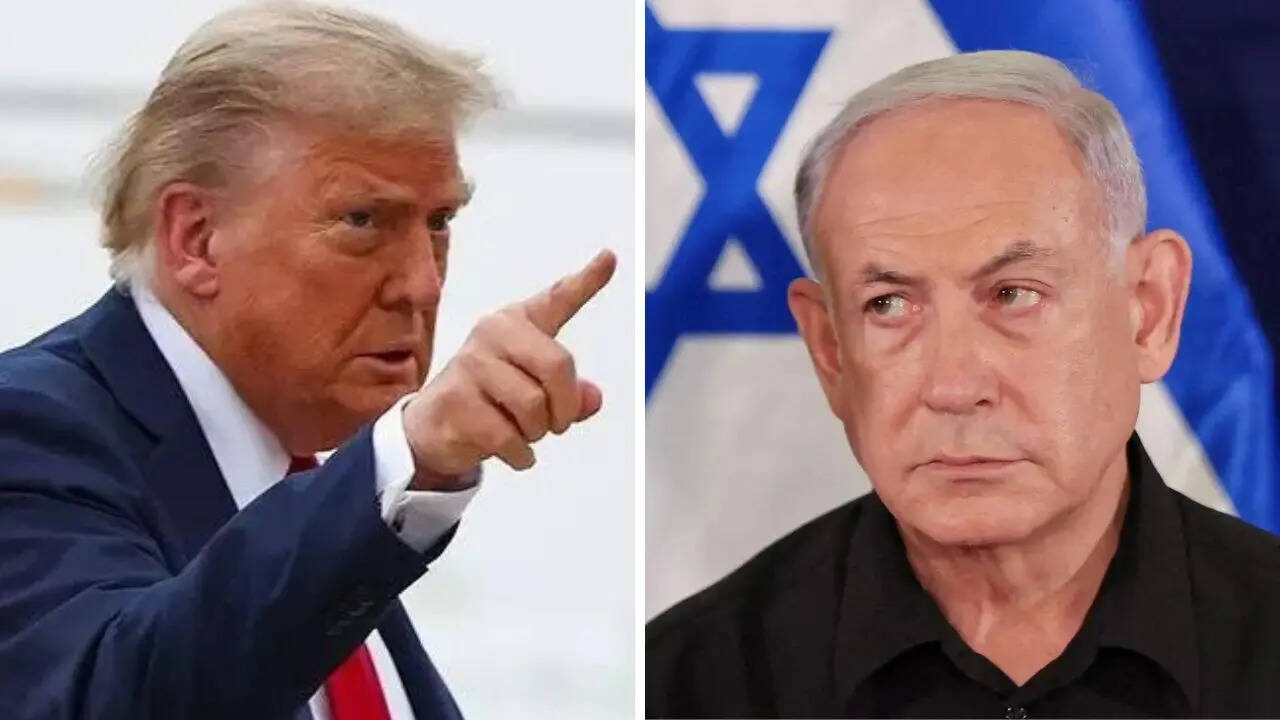
Trump stated he does not care if Iran talks are over. The comment came in direct response to reports of the suspended negotiations and reflects the US president’s position on the halted diplomatic efforts. By expressing indifference to the status of the talks, the statement signals that the US side may not prioritize immediate resumption. This stance aligns with the administration’s broader approach to the issues at hand, including the ceasefire extension and Strait of Hormuz access. The remark adds clarity to the US perspective following Iran’s decision to pause discussions. [3]
What to watch next: Observers will monitor whether Israeli operations in Lebanon ease enough to allow renewed Iran-US contacts or whether further Iranian military statements alter the limited truce dynamics.