
Geopolitics in the United States: Withdrawal of 5,000 Troops from Germany Over Iran Dispute
In a significant shift in geopolitics in the United States, the country is withdrawing 5,000 troops from Germany due to disputes over its Iran strategy, a move that has prompted NATO and European officials to advocate for greater self-reliance in defense [3][4][5]. This decision comes amid Iranian lawmakers proposing to bar Israeli ships from the Strait of Hormuz and requiring US and allied ships to pay war reparations for passage [1]. Separately, US President Donald Trump has announced a 25% tariff on European Union-produced vehicles, escalating tensions between the US and EU [2]. NATO is engaging in discussions with the US to address the troop withdrawal and its implications for transatlantic relations [3][4], while Germany's defense minister states that the reduction in US troops should encourage European countries to strengthen their own defenses [3][4].
US Troop Withdrawal from Germany
The Pentagon has announced the withdrawal of 5,000 military personnel from Germany, set to occur within six to 12 months, directly stemming from a dispute over Washington's strategy in the Iran war [5]. President Donald Trump made the announcement on Friday, following tensions with Germany's chancellor over the Iran war [3][4]. This decision highlights ongoing strains in transatlantic relations, particularly since Friedrich Merz questioned Washington's approach in the Middle East [3][4]. A Pentagon department spokesperson addressed the planned withdrawal, underscoring its connection to these diplomatic frictions [5].
NATO has responded promptly, stating it is working with the United States to understand the implications of this troop reduction [3][4]. The move represents a notable reconfiguration of US military presence in Europe, where Germany has long served as a key hub for American forces. The timing, linked explicitly to disagreements on Iran policy, amplifies concerns about alliance cohesion [5]. European officials, including those from Germany, view this as a catalyst for reevaluating defense postures, with the reduction prompting calls for enhanced regional capabilities [3][4][5]. This withdrawal is not isolated but part of broader geopolitical recalibrations in the United States, where strategic priorities in the Middle East appear to be influencing deployments in Europe [5].
The announcement has immediate ramifications for NATO's operational framework, as the alliance seeks clarity from Washington on how this will affect joint exercises, logistics, and deterrence against potential threats [3][4]. Germany's role as a linchpin for US forces in Europe means that even a partial drawdown could necessitate adjustments in infrastructure and readiness levels across the continent [5]. Sources indicate that the dispute crystallized around differing views on managing Iran-related risks, with the US pushing a more assertive stance that Berlin has publicly challenged [3][4].
Iran's Strait of Hormuz Plan and US Involvement
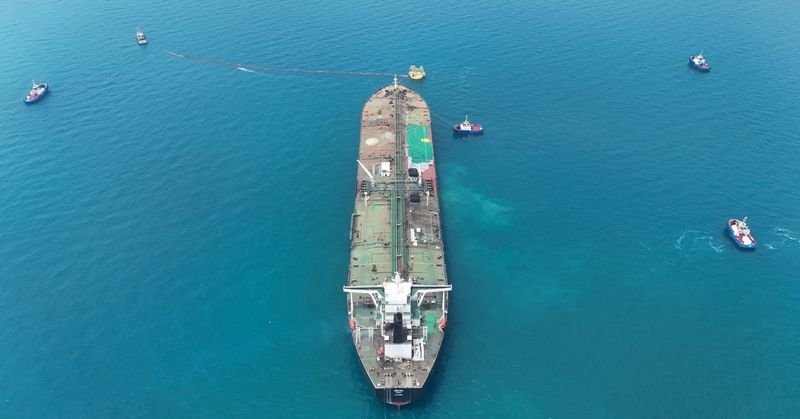
Iranian lawmakers have proposed a plan to place the Strait of Hormuz under Iranian management, which includes permanently barring Israeli vessels from the waterway and allowing ships from the United States and its allies to pass only if they pay war reparations [1]. This initiative, described as a "Hormuz toll plan," directly targets shipping dynamics in one of the world's most critical chokepoints for global oil trade [1]. The proposal exacerbates tensions in US-Iran relations and indirectly strains ties with European allies who rely on secure passage through the strait [5].
The context of this Iranian move ties into the broader US troop withdrawal from Germany, as disagreements over Washington’s Iran war strategy have been cited as a key factor [5]. By imposing such conditions, Iran aims to assert control over a vital maritime route, potentially disrupting commercial and military navigation involving US partners [1]. This development underscores how Middle East flashpoints, particularly involving Iran, are reverberating across alliances, influencing decisions like the US military repositioning in Europe [5].
For the US and its allies, the proposal raises practical challenges for naval operations and energy security. Ships affiliated with the US would face unprecedented demands for reparations, framing passage as contingent on financial concessions framed as compensation for past conflicts [1]. This aligns with the disputes that prompted the troop cuts in Germany, where European skepticism toward aggressive US Iran policies has surfaced [5]. The plan's focus on Israeli ships signals a hardening of positions in the region, with ripple effects on transatlantic security discussions [1][5].
Escalating US-EU Trade Tensions
US President Donald Trump has announced a 25% tariff on European Union-produced vehicles, a significant escalation in trade barriers set to take effect next week [2]. This move has driven tensions between Brussels and Washington to a new low, with European officials expressing immediate backlash and openly questioning the reliability of the United States as a partner [2]. The tariffs target a cornerstone of EU exports, amplifying economic frictions within the transatlantic relationship [2].
The announcement underscores a pattern of protectionist measures from the US administration, directly impacting industries like automotive manufacturing that span the Atlantic [2]. European responses highlight fears of retaliatory cycles that could undermine broader cooperation, including in defense matters [2]. This trade escalation occurs against the backdrop of military and strategic divergences, painting a picture of multifaceted strains between the US and EU [2].
Officials in Brussels have decried the tariffs as unreliable policy shifts, eroding trust in US commitments [2]. The 25% rate represents a sharp increase, poised to affect supply chains and consumer prices on both sides of the ocean [2]. As these economic pressures mount, they intersect with security concerns, complicating alliance dynamics [2].
European Response and Defense Implications
Germany's defense minister has stated that the reduction in American troops should encourage European countries to strengthen their own defenses further [3][4]. This perspective aligns with NATO's ongoing talks with the US to grasp the decision's full scope and its effects on transatlantic relations [3][4]. Berlin is urging stronger European defense capabilities in response to the withdrawal of 5,000 troops [3].
NATO's engagement reflects a proactive stance, aiming to mitigate disruptions from the US move announced on Friday [3][4]. The call for self-reliance gains traction amid strained relations, exacerbated by Friedrich Merz's critiques of US Middle East strategy [3][4]. European nations see this as an opportunity—or necessity—to bolster independent military capacities, reducing overdependence on US forces stationed in Germany [3][4][5].
This shift could lead to increased investments in European-led initiatives, such as joint procurement and capability development within NATO frameworks [3][4]. Germany's position, echoed by alliance officials, emphasizes adaptation to a changing security environment shaped by US policy choices on Iran [5].
Broader Context of Transatlantic Relations
Transatlantic relations have been strained since Friedrich Merz questioned Washington’s strategy in the Middle East, contributing to the troop withdrawal decision [3][4]. NATO's discussions with the US over the cuts highlight efforts to preserve alliance unity amid these tensions [3][4]. The 25% tariffs on EU vehicles further erode confidence, with European officials questioning US reliability [2].
The Iran war dispute has been a flashpoint, linking military deployments to policy divergences [3][4][5]. Combined with trade escalations, these issues illustrate deepening rifts, prompting Europe to prioritize self-reliance [2][3][4][5]. The troop reduction and tariff announcements signal a US pivot that challenges longstanding partnership norms [2][5].
Ongoing strains encompass both security and economic domains, with NATO seeking to navigate the fallout [2][3][4]. European calls for stronger defenses reflect a strategic reassessment driven by these developments [3][4][5].
What to watch next: NATO's continued discussions with the US on the troop withdrawal implications [3][4], potential European retaliation to the 25% auto tariffs [2], and developments on Iran's Strait of Hormuz proposal amid US-Iran tensions [1][5].







