
Geopolitical Risk in Persian Gulf: Tensions Escalate with Untold Story of Global Shipping Disruptions and Humanitarian Crises
Introduction: The Latest Escalations in Geopolitical Risk
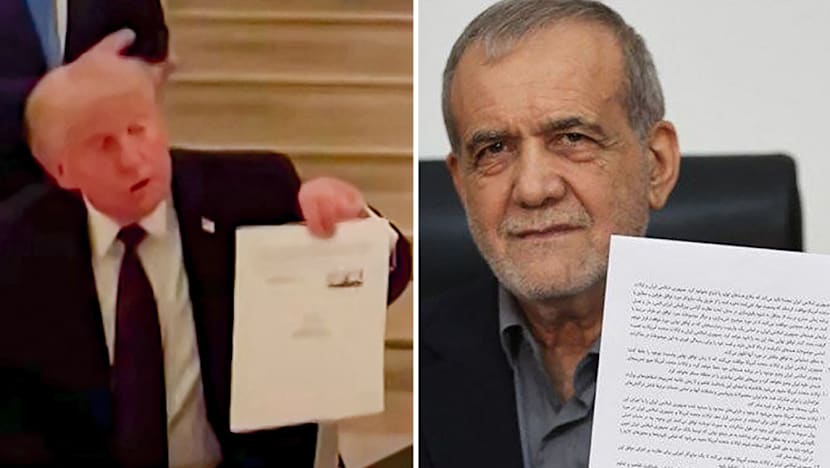
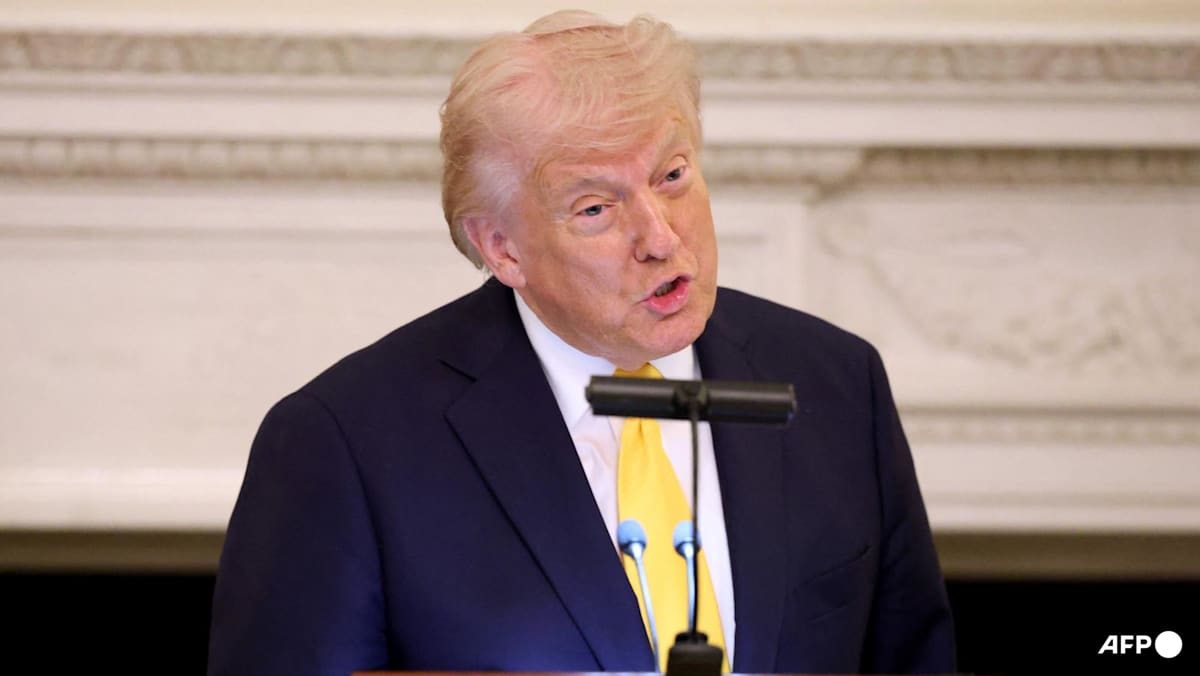
In the shadow of mounting military rhetoric and diplomatic maneuvering in the Persian Gulf, a quieter but no less devastating crisis is unfolding: the severe disruptions to global shipping lanes and the emerging humanitarian toll on seafarers and civilian workers. Recent developments, reported across multiple outlets on March 19, 2026, paint a picture of escalating geopolitical risk that threaten not just oil flows but the everyday arteries of international trade. U.S. President Donald Trump has issued stark warnings to Israel against repeating strikes on Iranian energy infrastructure, such as the South Pars gas field, while simultaneously threatening Iran directly over its key gas facilities following an Israeli strike, as detailed in reports on Middle East strike tensions. Iran's lawmakers are now floating the idea of imposing transit fees on ships passing through the Strait of Hormuz—a chokepoint through which 20% of the world's oil transits—prompting sharp rebukes from Persian Gulf states hinting at military responses, further amplifying this geopolitical risk.
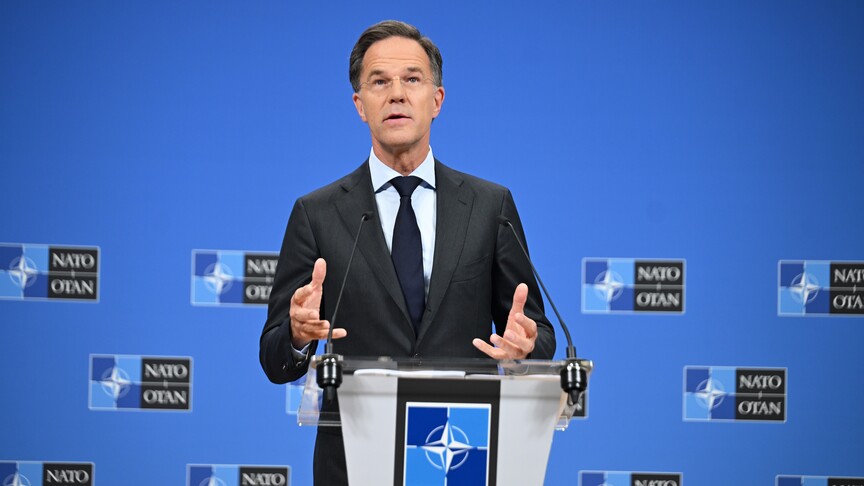
Russia has renewed its calls for an immediate ceasefire in the Gulf, urging de-escalation amid fears of broader conflict. The United Nations' International Maritime Organization (IMO) has made repeated pleas for "safe corridors" to evacuate stranded seafarers, highlighting the human cost as crews from Greek, Australian, and other flagged vessels face war risks. Meanwhile, European nations and Japan have stepped forward, offering assistance to secure the Hormuz Strait and stabilize volatile energy markets, a move that underscores the economic interdependence at play. Check the latest updates on the Global Risk Index for real-time geopolitical risk assessments.
These events matter now because they are already rippling through global supply chains, delaying shipments of consumer goods from electronics to foodstuffs, and stranding thousands of low-wage maritime workers in harm's way. Unlike prior coverage fixated on military alliances or cyber threats, this crisis reveals the human element: repatriated Greek workers on March 8, GPS jamming disrupting navigation on March 10, and now potential mass evacuations. The plight of these seafarers—often from developing nations—exposes how superpower posturing endangers the most vulnerable, turning a geopolitical standoff into a humanitarian emergency.
Current Developments and Economic Ripple Effects
The core of the current escalation centers on Iran's proposal for transit fees in the Strait of Hormuz, a 21-mile-wide waterway between Iran and Oman that funnels roughly 21 million barrels of oil daily. According to an Iranian lawmaker cited by the Times of India and Iran International, these fees could be levied on all commercial vessels, including those not carrying oil, as a revenue measure amid sanctions and conflict. Persian Gulf states, including Saudi Arabia and the UAE, have warned of a "military response," escalating fears of blockades or skirmishes that could halt traffic entirely. This development ties into broader geopolitical risk surrounding Iran's Hormuz maneuvers.
This isn't mere saber-rattling; it's already inflating shipping costs. War risk premiums for insuring vessels in the Gulf have surged by 50% in the past week, per industry reports, forcing rerouting around Africa via the Cape of Good Hope—a detour adding 10-14 days and 40% higher fuel costs. Global supply chains are feeling the pinch: container ships carrying semiconductors from Asia to Europe, grains from the Black Sea to the Middle East, and consumer electronics worldwide face delays. For instance, just-in-time manufacturing in automotive sectors from Germany to Japan could see production halts, echoing the 2021 Suez Canal blockage but amplified by energy volatility.
Third-party interventions add layers of complexity. Europe and Japan, heavy importers of Gulf oil (Europe 15%, Japan 90% of its needs), have pledged naval escorts and financial aid to "stabilize energy markets," as reported by The Straits Times and Cyprus Mail. While aimed at oil security, these efforts risk collateral damage to civilian routes, as naval convoys could congest lanes or provoke Iranian responses. Trump's dual messaging—restraining Israel while threatening Iran—aims to prevent a full oil shock but has instead heightened uncertainty, with the IMO's urgent calls for safe evacuation corridors underscoring the shift from energy diplomacy to broader trade perils, especially amid ongoing US-Israel security fault lines.
Economically, this pivots focus from oil alone to interdependence. Higher shipping costs could fuel global inflation by 0.5-1% in consumer goods prices within months, hitting import-dependent economies like India and Southeast Asia hardest. Small island nations reliant on Gulf trade for food imports face shortages, while low-wage seafarers—predominantly Filipino, Indian, and Ukrainian—bear the brunt, with over 5,000 reportedly seeking repatriation.
Historical Context: Lessons from Recent Events
The current standoff didn't emerge in isolation; it's a direct echo of the past two weeks' timeline, revealing a pattern where military escalations consistently amplify humanitarian shipping crises. On March 8, 2026, Greece initiated mass repatriation of its citizens from the Persian Gulf amid "war risks to resources," stranding hundreds of merchant mariners who form the backbone of global fleets. This mirrored today's IMO pleas, as Greek-flagged ships, carrying 20% of world tonnage, were prime targets for disruptions.
The very next day, March 9, Australia deployed naval assets to the Gulf, ostensibly for ally support but effectively militarizing shipping lanes—a move that inadvertently heightened risks for civilian vessels. By March 10, GPS jamming across the Middle East crippled navigation, causing near-collisions and forcing manual routing, much like the electronic warfare tactics now feared in Hormuz. These events compounded on March 12 with U.S.-Israel-Iran tensions peaking over alleged strikes, setting the stage for today's diplomatic freeze.
Recent timeline entries reinforce this: March 18's IMO crisis talks on Middle East shipping warned of exactly these scenarios, while March 19's "Trump Threatens Iran Gas Field" (high impact) and repeated IMO evacuation calls (medium) show acceleration. Historical precedents abound—the 2019 Abqaiq attacks spiked shipping insurance 300%, and the 2020 Soleimani strike delayed Gulf trade for weeks. Each time, interventions overlooked human costs, prioritizing energy over evacuations, leading to patterns of inequality where developing-world workers suffer most.
Original Analysis: The Human and Economic Toll
Geopolitical gamesmanship in the Gulf is exacerbating deep-seated inequalities, with low-wage maritime workers—earning $1,000-2,000 monthly—facing life-threatening risks while executives debate energy pacts. Over 300,000 seafarers operate Gulf routes annually, many from the Global South; their stranding echoes the 2021 Ever Given crisis but with gunfire potential. Small nations like Bangladesh and Kenya, dependent on cheap Gulf imports for 30% of staples, risk food inflation spikes of 15-20%, widening poverty gaps.
These tensions accelerate a pivot to alternative routes like the Cape of Good Hope or Arctic passages, but at what cost? Cape detours add $1 million per voyage in fuel, per Lloyd's List estimates, benefiting insurers but hammering trade volumes—global shipping could drop 5-10% short-term. Long-term, this boosts investments in pipelines (e.g., UAE-India) and LNG from Qatar alternatives, reshaping trade maps but inflating costs for energy-poor regions.
The irony is stark: nations like Europe and Japan prioritize "energy stability" via military aid, sidelining human security. Trump's warnings, Russia's peace calls, and UN corridors highlight a policy blind spot—energy trumps lives. A balanced approach demands "humanitarian chokepoints" in accords, integrating seafarer protections into trade pacts, lest we repeat cycles where 90% of world trade's disruptions hit civilians hardest. For deeper insights, explore the Global Risk Index.
Catalyst AI Market Prediction
The World Now's Catalyst AI engine forecasts market reactions tied to these Gulf disruptions, drawing on historical precedents like the 2020 Soleimani strike and 2019 Saudi attacks:
- OIL: Predicted + (high confidence) — US-Iran escalation and Hormuz threats raise supply fears; WTI could rise 4% intraday, as in Jan 2020.
- USD: Predicted + (medium confidence) — Safe-haven flows boost DXY 1% amid risk-off.
- SPX: Predicted - (medium-high confidence) — Equities deleverage on oil shocks; potential 2% weekly drop.
- EUR: Predicted - (medium confidence) — Energy import costs pressure EURUSD 0.8-2%.
- BTC: Predicted - (medium confidence) — Risk-off liquidation cascades, -5-10% in 48h.
- SOL: Predicted - (medium confidence) — High-beta crypto amplifies downside, -10-15%.
Predictions powered by The World Now Catalyst Engine — visit Catalyst AI Market Predictions for real-time updates.
Looking Ahead: Potential Future Scenarios
If tensions persist, widespread Hormuz boycotts loom, spiking global shipping insurance 20-30%—as in 2019—and rerouting 30% of trade volumes. Scenario 1 (base, 60% probability): Multilateral diplomacy expands UN corridors into a mid-2026 accord, with Europe/Japan escorts stabilizing flows by Q3. Scenario 2 (escalatory, 25%): Iranian fees trigger Gulf naval clashes, mirroring March 8 evacuations on a massive scale—50,000 seafarers displaced, supply chains frozen for months. Scenario 3 (de-escalatory, 15%): Trump's threats force talks, averting fees but with interim premiums.
Key dates: March 25 IMO emergency session; April 1 Gulf summit. Proactive measures—U.S.-led insurance pools, Russia-brokered truces—could mitigate, but history warns of overlooked humanitarian spirals.
Conclusion: A Call for Balanced Action
The untold story here isn't just oil or missiles—it's shattered shipping networks and seafarer families awaiting repatriation, underscoring how Gulf tensions fracture global interdependence. Policymakers must rebalance: integrate human security into strategies, from IMO-mandated corridors to trade clauses protecting workers. Opportunities abound for cooperation—Europe-Japan pacts with UN oversight could forge resilient lanes, preventing inflation and crises. As patterns from March 8-19 repeat, the world watches: will humanity navigate ahead of energy?
This is a developing story and will be updated as more information becomes available.