
Garbage Avalanche Devastates Cebu City Landfill, Killing One and Trapping 38 in Debris
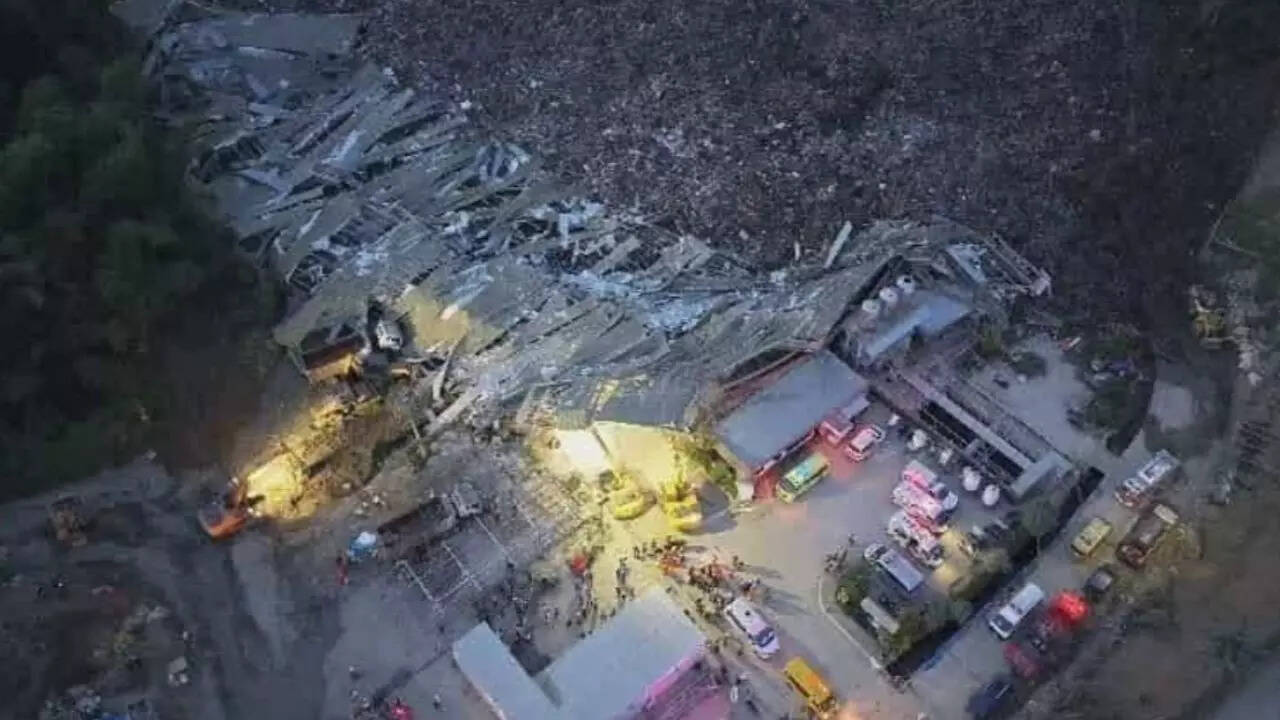
Cebu City, Philippines – A massive garbage avalanche at a waste facility in Cebu City claimed one life and left at least 38 people trapped under tons of debris early Friday, triggering frantic search and rescue operations amid fears for the missing workers.
The incident occurred at approximately 2:45 a.m. local time on January 9, 2026, at the Cebu City landfill, where a section of accumulated waste suddenly collapsed, burying workers and scavengers beneath a cascade of refuse. Authorities confirmed one fatality, with several others injured, though exact injury figures remain unclear as rescue efforts continue. At least 12 workers have been pulled alive from the rubble, providing a glimmer of hope, but the plight of the remaining 38 individuals—many believed to be informal waste pickers—hangs in the balance.
Search and rescue teams, including local disaster response units and heavy machinery operators, are working around the clock at the site. The high-severity event has drawn significant resources, with officials prioritizing the extraction of trapped individuals and support for affected families. "Operations are ongoing, and we are doing everything possible to reach those still under the debris," a local authority spokesperson stated, as reported in initial coverage.
Details of the Collapse
Eyewitness accounts and preliminary reports describe the collapse as a sudden "garbage avalanche," where unstable piles of municipal solid waste gave way, engulfing those working nearby. The landfill, a common site for both formal waste disposal and informal scavenging, was handling daily influxes from Cebu City's urban population of over 1 million. Scavengers, who often sift through trash for recyclables to sell, are particularly vulnerable in such environments, frequently operating without safety gear or warnings.
Rescue teams have faced challenges including the instability of the shifting waste mass, potential toxic fumes from decomposing materials, and the sheer volume of debris—estimated in thousands of tons. So far, the 12 successful extractions highlight the effectiveness of coordinated efforts, but the fate of the 38 trapped remains precarious, with heavy rains not ruled out as a complicating factor despite the January timing in the region's relatively dry season.
Background on Philippines' Waste Management Crisis
Landfill collapses are not unprecedented in the Philippines, a archipelago nation grappling with acute waste management challenges. Rapid urbanization, population growth, and limited infrastructure have overburdened facilities nationwide. Cebu City, the oldest city in the Philippines and a key economic hub in the Visayas region, generates substantial waste from its ports, tourism, and manufacturing sectors.
Historically, similar tragedies underscore the risks. The 2000 Payatas landfill disaster in Quezon City, Metro Manila, saw a garbage landslide kill over 200 people after heavy monsoon rains destabilized a 50-foot-high mound of trash. More recently, collapses at sites like those in Davao and Tondo have prompted calls for modernization. The Philippine government has pushed initiatives like the Ecological Solid Waste Management Act of 2000, aiming for sanitary landfills and recycling, but implementation lags due to funding shortages and enforcement issues.
Informal waste pickers, numbering in the hundreds of thousands across the country, form the backbone of the recycling economy but face dire conditions. Organizations like the Zero Waste Alliance Philippines have long advocated for safer alternatives, including material recovery facilities and bans on open dumping. In Cebu, local ordinances require landfill operators to maintain stability assessments, but this incident raises questions about compliance.
The national context amplifies the urgency: The Philippines produces about 40,000 tons of waste daily, with only around 70% collected properly, according to Department of Environment and Natural Resources (DENR) data. Climate change exacerbates vulnerabilities, as rising sea levels and intensified storms threaten coastal dumpsites.
Ongoing Response and Community Impact
Local government units in Cebu have mobilized aid, including medical teams, temporary shelters, and financial assistance for families of the victims. The Cebu City Disaster Risk Reduction and Management Office is coordinating with national agencies, while community leaders urge public cooperation to avoid hampering operations.
As of the latest updates, no further casualties have been confirmed, but the operation's duration could extend days. Authorities have assured the public of environmental monitoring to prevent leachate contamination of nearby groundwater, a common post-collapse concern.
Outlook for Recovery and Prevention
This tragedy spotlights the urgent need for systemic reforms in the Philippines' waste sector. Experts anticipate investigations into the landfill's structural integrity, waste volume, and weather contributions, potentially leading to temporary closures or upgrades. Advocacy groups are already calling for expanded social protections for waste workers, including insurance and relocation to safer jobs.
While rescue efforts persist, the incident serves as a stark reminder of the human cost behind urban waste disposal. Cebu City officials have pledged transparency in their response, vowing to prevent future occurrences as the nation balances growth with environmental sustainability.
(Word count: 712)