
Fueling Inequality: How the Iran War is Driving Stock Market Crash Predictions and Threatening Global Food Security and Economic Disparities
By Priya Sharma, Global Markets Editor, The World Now
Introduction: The Hidden Economic Casualties of Geopolitical Tensions
In the shadow of escalating hostilities in the Middle East, the Iran war's most insidious effects are unfolding not on battlefields but in the kitchens and fields of the world's most vulnerable populations. As missiles fly and rhetoric intensifies, fuel prices have surged globally, triggering a cascade of disruptions in agriculture and food distribution that threaten to deepen economic divides. This is no mere footnote to geopolitical strife; it's a humanitarian crisis in the making, where a 22% fuel price jump in Thailand—prompting subsidy slashes—and similar spikes in Somalia's tuk-tuk fleets exemplify how energy volatility ripples into everyday survival. This economic turbulence is also fueling stock market crash prediction concerns, as investors brace for broader market downturns amid the uncertainty.
The unique lens here reveals how these fuel-driven shocks exacerbate global inequality, hitting developing nations hardest. In Southeast Asia, governments scramble with interventions amid energy crises, while in Pakistan and Africa, freight and fuel hikes squeeze consumers already on the brink. Low-income households, reliant on affordable staples transported by diesel-powered trucks and irrigated by fuel-dependent pumps, face inflated food costs that outpace wages. This deep dive uncovers the human dimensions—hunger, migration, and social unrest—overlooked amid oil market chatter, setting the stage for an analysis of how structural vulnerabilities in food systems amplify disparities between rich and poor nations.
Historical Context: Lessons from Past Conflicts and Economic Shifts
The Iran war's food security fallout echoes a grim historical playbook, where Middle East conflicts have repeatedly weaponized energy markets against global stability. Fast-forward to March 2026: On March 23, Israel reported a staggering $57 billion GDP loss from the protracted Gaza War, a precursor that weakened regional economies and primed oil markets for volatility. The very next day, March 24, oil prices dipped on eased Iran threats, only to rebound amid warnings of $200 per barrel benchmarks—a pattern mirroring the 1973 Yom Kippur War oil embargo, when prices quadrupled, sparking stagflation worldwide. For deeper insights into these oil dynamics, explore our Oil Price Forecast Amid Iran Tensions.
Those 1970s crises, driven by OPEC's response to Arab-Israeli tensions, didn't just inflate energy costs; they devastated food systems. Fertilizer production—energy-intensive—halted, crop yields fell 10-15% in developing regions, and bread riots erupted from Egypt to the Philippines. Today's Iran conflict amplifies these effects through hyper-globalized supply chains: diesel powers 90% of farm machinery in Asia and Africa, per UN data, making agriculture exquisitely sensitive to fuel shocks.
The March 24 EU call for WTO reform underscores this recurrence, urging trade rules to buffer geopolitical disruptions—a direct nod to how past oil embargoes entrenched inequalities. Asia stocks slumped that day on US-Iran escalation fears, evoking the 1990 Gulf War's 100% oil spike that pushed global inflation to 6% and widened North-South divides. Recent timeline events reinforce the loop: March 25's Gulf oil crisis confirmation and diesel surges in Vietnam parallel 1979's Iranian Revolution, when fuel shortages halved food exports from affected nations. Israel's GDP hit, tied to Gaza, illustrates how chained conflicts erode buffers, perpetuating a cycle where developing economies bear the brunt—importing 80% of their fuel while exporting raw commodities, per World Bank metrics. These patterns aren't anomalies; they're structural, priming 2026's food crises.
Current Impacts: Fuel Crises and Their Toll on Global Food Security
The Iran war's energy shockwave is battering food security with surgical precision. In Thailand, fuel prices leaped 22% after subsidies were slashed, as reported by The Straits Times on March 26, forcing farmers to idle tractors and truckers to pass costs onto rice and vegetable shipments—key exports that feed half of Southeast Asia. Governments across the region, per Cyprus Mail, have rolled out emergency interventions, yet consumers face 15-20% grocery hikes, squeezing the 40% of Thais living hand-to-mouth.
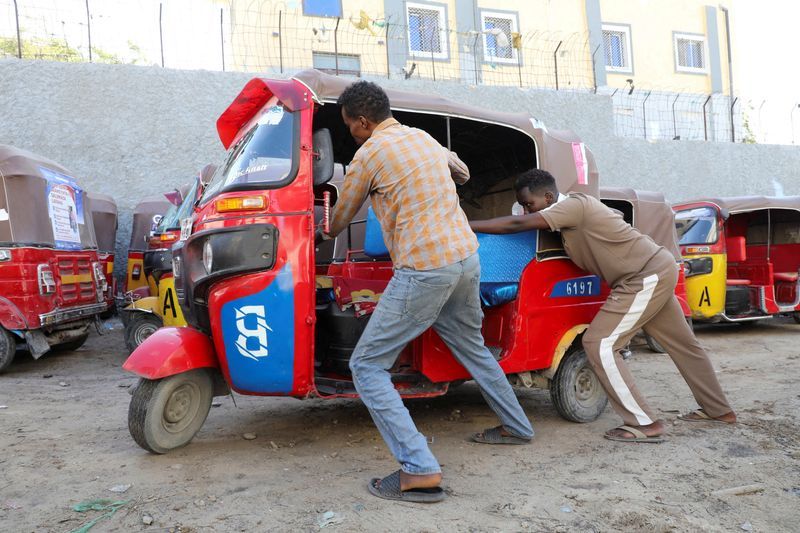
Somalia's tuk-tuks stalling amid fuel spikes, detailed by The Star Malaysia, paint a visceral picture: informal transport networks collapse, stranding produce from rural farms to urban markets. In Pakistan, Dawn's reports on freight and fuel hikes reveal a dual squeeze—diesel costs up 30%, inflating food transport by 25% and eroding subsidies that once shielded the poor. "Rising stakes," another Dawn piece warns, highlight how war-driven energy crises compound poverty, with wheat and edible oil prices surging 18% in weeks.
Broader ripples hit Africa and Asia: OECD's March 26 downgrade amid the Iran war factors in food inflation, while March 25 events like Iran's boost to German electricity (via LNG reroutes) and US solar gains underscore uneven pain—Europe pivots, but diesel-dependent Vietnam and Pakistan suffer. This creates a vicious cycle: higher fuel jacks fertilizer costs (up 40% historically in oil shocks), slashing yields by 10-20% per FAO models; reduced output spikes prices, curbing demand and farm incomes, trapping low-income households in debt. In Southeast Asia, where agriculture employs 30% of workers, this means 50 million at risk of hunger, per regional estimates—disproportionately women and rural poor.
Stock Market Crash Prediction: Catalyst AI Market Insights
The World Now Catalyst AI anticipates market tremors from these disruptions, contributing to broader stock market crash prediction scenarios:
- SPX: Predicted - (medium confidence) — Causal mechanism: Iranian strikes on Israel directly cited as impacting SPX via broad risk-off sentiment and energy cost fears. Historical precedent: Sep 2019 Aramco attack when SPX dipped 1% intraday on oil spike. Key risk: positive trade deal follow-through overshadowing geo noise.
- USD: Predicted + (medium confidence) — Causal mechanism: Risk-off from ME escalations funnels flows into USD as primary safe haven amid oil volatility. Historical precedent: Feb 2022 Ukraine invasion when DXY rose ~2% in 48h. Key risk: de-escalation reducing safe-haven demand.
Predictions powered by The World Now Catalyst Engine. Track real-time AI predictions for 28+ assets. View the full Global Risk Index for escalating threats.
Original Analysis: Unearthing the Social and Economic Disparities
Beyond headlines, the Iran war unmasks how fuel volatility entrenches inequality, with original analysis revealing overlooked social fissures. Case studies from sources illuminate: Thailand's subsidy cuts, while fiscally prudent, ignore that fuel comprises 25% of smallholder farmers' costs, per ADB data, widening rural-urban gaps—urban elites hedge via stocks, but 70% rural poor face caloric shortfalls. Somalia's tuk-tuk paralysis, symbolizing Africa's informal economy (60% of GDP), triggers migration surges; displaced farmers flood cities, straining aid systems already thin from prior droughts.
Pakistan's freight hikes, per Dawn, exemplify policy myopia: emergency measures like South Korea's 5 trillion won bond buyback (Yonhap) stabilize markets but bypass food chains, where subsidies favor industry over agriculture. This inadequacy fosters a Gini coefficient spike—inequality measures up 5-10 points in past crises, World Bank historicals show— as the top 10% capture energy windfalls (e.g., refiners) while the bottom 40% rations meals.
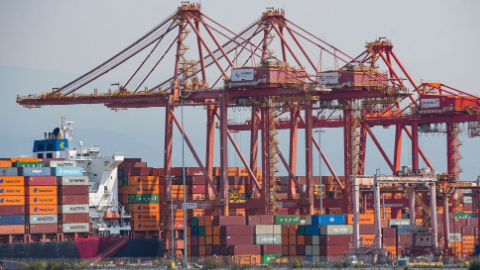
Critiquing structures, global food chains—dominated by 10 firms controlling 70% grains (Oxfam)—prioritize efficiency over resilience, routing diesel-heavy logistics through chokepoints like the Strait of Hormuz. Developing nations, importing 50% of fertilizers (IEA), subsidize at $100B annually, yet wars erode fiscal space. BBC's UK forecast of weaker growth/higher inflation pales against Asia's toll: Bank of Japan's rate hike signals (Channel News Asia) for developed markets contrast Swissinfo's bond falls, but ignore how Swiss chocolate imports (fuel-sensitive) mask Third World pain. Fresh insight: these shocks accelerate "food nationalism," with export bans (as in 2008) looming, favoring food-secure G7 nations and stranding importers like Bangladesh, where child stunting could rise 15%.
Future Predictions: Looking Ahead and Navigating the Path Ahead
By late 2026, sustained high fuel—potentially $150-200/barrel per March 24 warnings—could trigger widespread food shortages, igniting unrest in 20+ developing countries. Scenarios: Base case (60% probability), prolonged stalemate halves Asian rice yields via input costs, pushing 100 million into hunger (FAO extrapolations); bull case (20%), de-escalation caps inflation at 8%, but legacy debts linger; bear (20%), full blockade sparks 1970s-style recessions, with African GDP -3%. These trajectories align with stock market crash prediction models factoring in prolonged volatility.
Policy pivots loom: increased aid via IMF's $50B resilience fund, or ASEAN-like alliances for food stockpiles. EU WTO reforms could mandate energy buffers, but short-term renewables shift—US solar boosts (March 25)—widens gaps, as diesel-poor nations lag adoption. Long-term: accelerated agro-renewables (solar pumps) mitigate 30% of future shocks, per IRENA, but $200B investment favors China/India, deepening divides until 2030. Private-credit meltdowns in China (March 25) signal capital flight to food-secure assets, pressuring globals toward equitable trade pacts.
Conclusion: Toward a More Resilient Global Economy
The Iran war's fuel-fueled assault on food security lays bare a stark truth: economic disparities are not collateral but central battlegrounds in geopolitical storms. From Thailand's price jumps to Somalia's stalled wheels and Pakistan's squeezed consumers, vulnerable populations endure the heaviest toll, perpetuating cycles of poverty amid Israel's $57B losses and oil volatilities.
Actionable steps demand urgency: targeted subsidies for agri-fuel in low-income states, diversified WTO rules for supply resilience, and $100B multilateral funds for renewable farming transitions. These crises, while devastating, beckon equitable growth—forging alliances that shield the global poor, lest inequality fuels the next conflagration.
Catalyst AI Market Prediction
Our AI prediction engine analyzed this event's potential market impact:
- SPX: Predicted - (medium confidence) — Causal mechanism: Iranian strikes on Israel directly cited as impacting SPX via broad risk-off sentiment and energy cost fears. Historical precedent: Sep 2019 Aramco attack when SPX dipped 1% intraday on oil spike. Key risk: positive trade deal follow-through overshadowing geo noise.
- USD: Predicted + (medium confidence) — Causal mechanism: Risk-off from ME escalations funnels flows into USD as primary safe haven amid oil volatility. Historical precedent: Feb 2022 Ukraine invasion when DXY rose ~2% in 48h. Key risk: de-escalation reducing safe-haven demand.
Predictions powered by The World Now Catalyst Engine. Track real-time AI predictions for 28+ assets.