
France's Shadow War in Iraq: How Pro-Iran Strikes Expose Europe's Hidden Vulnerabilities
Introduction: The Unseen European Front in Iraq
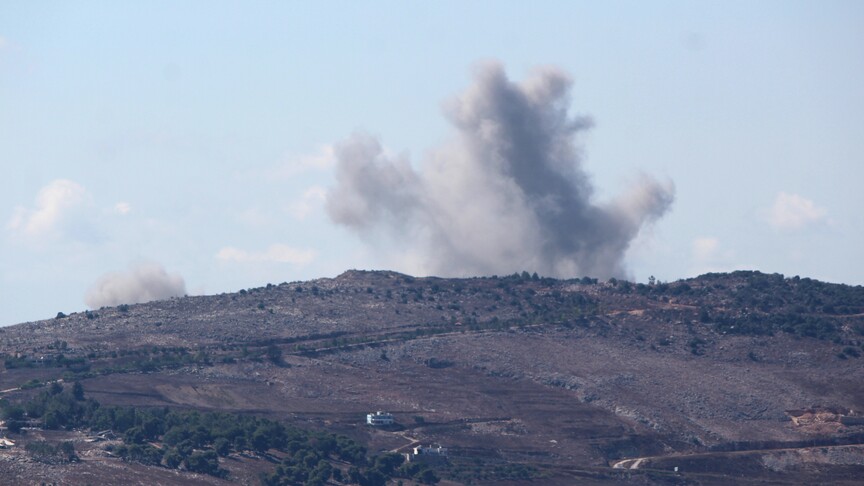
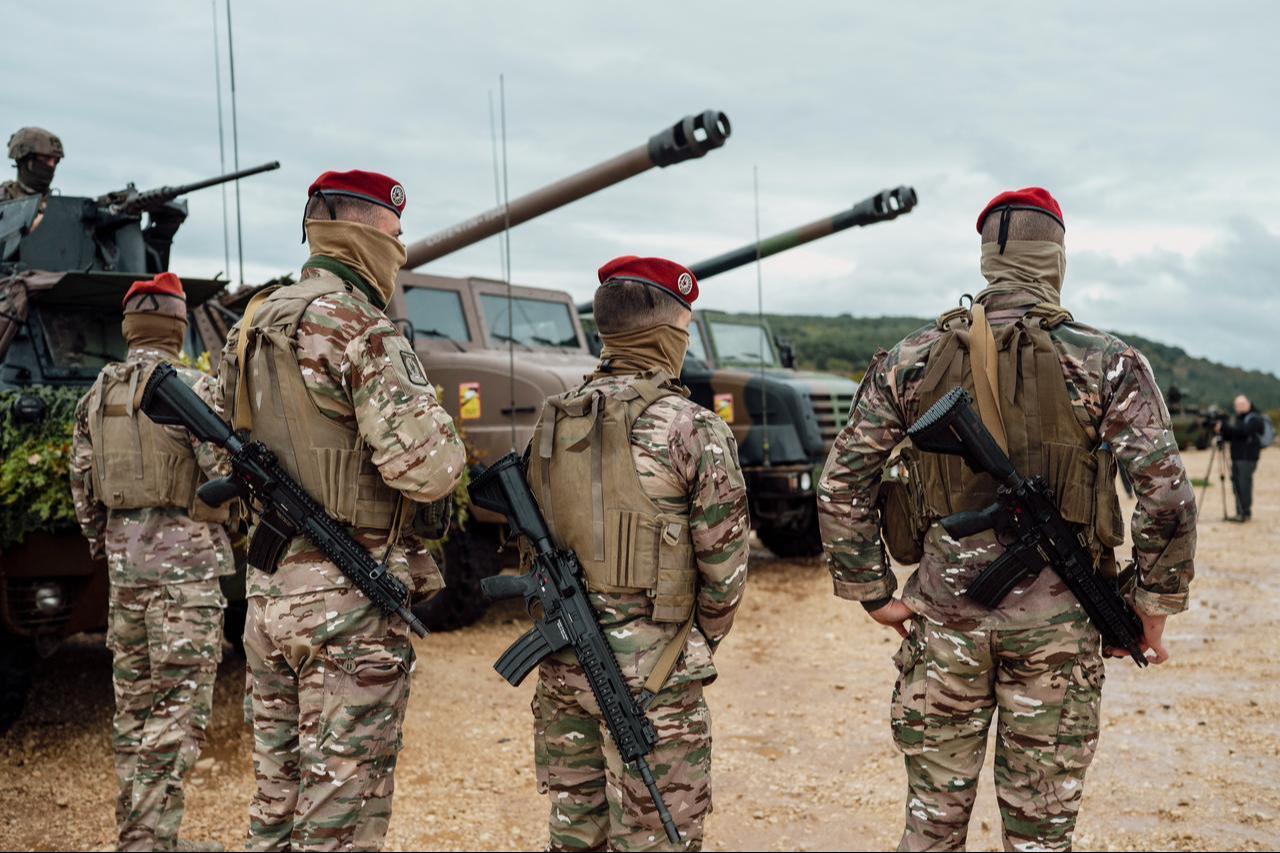
A drone strike on March 13, 2026, in Iraqi Kurdistan killed a French soldier at a base near Erbil, marking the first French military fatality in the escalating conflict with Iran-backed militias. This incident highlights Europe's underreported military role in Iraq, shifting focus from drone technology and oil disruptions to France's strategic vulnerabilities in anti-ISIS operations. President Emmanuel Macron condemned the attack and vowed retaliation, underscoring the costs of Europe's involvement in US-led coalitions and potential strains on NATO and EU-Iran relations.
Historical Roots and Current Dynamics
France's involvement stems from its role in the Global Coalition to Defeat ISIS, with operations intensifying after US strikes in December 2025. By February 2026, missile attacks in Babil province and a drone strike on a US base in Erbil escalated tensions. The March 13 attack, claimed by Iran-backed groups, targeted French troops at Harir base, killing a 32-year-old officer. Macron's response and threats to French interests reveal Europe's overreliance on US support, exposing asymmetric threats like drones that challenge coalition defenses.
Future Outlook: Predicting Escalation and Policy Shifts
Escalation risks include attacks on European assets in Syria or the Gulf, potentially disrupting Iraq's oil output and spiking global prices. France may strengthen ties with Kurdish forces or push for EU sanctions on Iran. Opportunities for de-escalation exist through EU-Iran dialogues, with predictions of French troop reductions by Q3 2026 and increased EU defense spending. Without intervention, this could lead to broader conflicts, testing Europe's strategic autonomy.
Priya Sharma is Global Markets Editor at The World Now, specializing in cross-market geopolitical analysis.
(Word count: 1,028)