
France Gripped by Deadly Winter Weather: Snow, Ice Claim Six Lives as Storm Goretti Brings Winds and Power Outages
Paris, France – A brutal wave of severe winter weather has plunged France into chaos, with heavy snowfall and icy conditions claiming at least six lives since Tuesday and triggering widespread transport disruptions, followed by the ferocious Storm Goretti that left 380,000 households without power on Friday.
The ordeal began on January 6, 2026, when intense snow and ice swept across parts of France, leading to high severity impacts including multiple fatalities. Official reports indicate that the hazardous conditions resulted in at least six deaths, primarily linked to road accidents, hypothermia, and other weather-related incidents amid the high severity event. Transport networks ground to a halt, with roads becoming impassable, rail services suspended, and airports facing delays or closures in affected regions.
This initial onslaught of snow and ice marked the start of a prolonged severe weather episode, disrupting daily life and commerce across the country. Emergency services were mobilized nationwide, urging residents to avoid unnecessary travel and prepare for prolonged cold snaps. The French government issued weather alerts, emphasizing the dangers of black ice on untreated roads and the accumulation of snow in urban and rural areas alike.
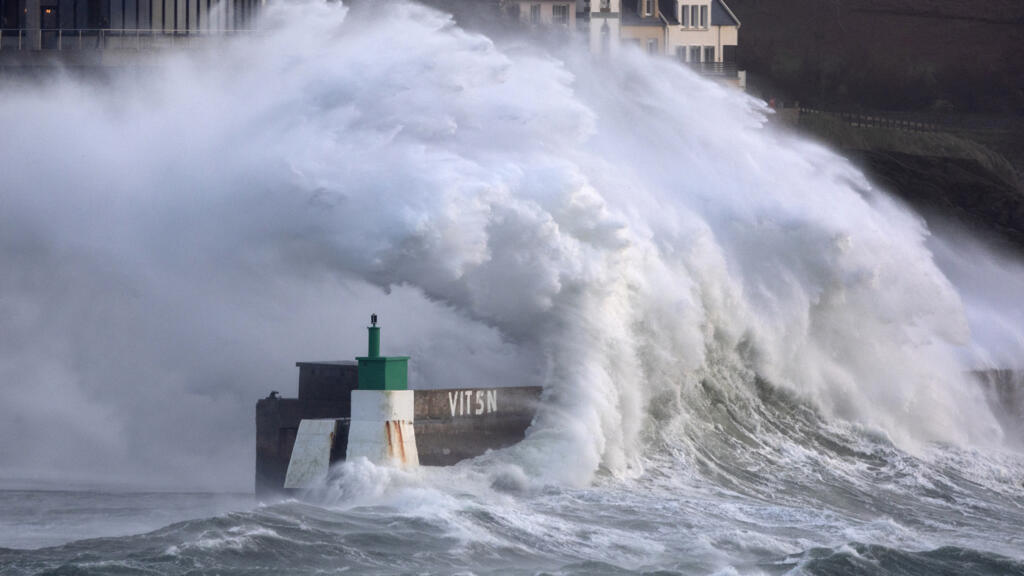
Just days later, on January 9, the situation escalated dramatically with the arrival of Storm Goretti, a powerful extratropical cyclone battering swathes of northern Europe, including France. Packing winds exceeding 200 kilometers per hour, the storm inflicted further devastation, particularly in coastal and northern regions. By Friday morning, approximately 380,000 homes—primarily in western and northern France—were left without electricity, according to reports from France 24. Power grids buckled under the onslaught, with Enedis, France's electricity distribution operator, deploying thousands of technicians to restore service amid ongoing gusts.
Storm Goretti exacerbated the travel woes initiated by the earlier snowfall. Highways were closed due to fallen trees and debris, while ferry services across the English Channel were canceled. Airports like those in Brittany and Normandy reported diversions and grounded flights. The storm's timing, coming after a full week of heavy snowfall, compounded the misery for communities already struggling with snow-clearing operations and frozen infrastructure.
Background on France's Winter Vulnerabilities
France's geography makes it prone to such winter extremes, with the country's varied terrain—from the Alps in the east to the Atlantic coast in the west—exposing different regions to snow, ice, and storms. Historical precedents include the severe winters of 2010 and 2018, when similar combinations of snow and Atlantic storms led to power outages affecting hundreds of thousands and multiple fatalities. Climate patterns in recent years have shown an increase in the intensity of such events, with warmer Atlantic waters fueling stronger storms like Goretti.
Meteorologists note that Storm Goretti fits into a pattern of vigorous low-pressure systems tracking across the Bay of Biscay, drawing moisture from the Atlantic to dump snow inland before transitioning to high winds. Météo-France had issued orange and red alerts in advance, warning of gusts up to 200 km/h in exposed areas and urging coastal evacuations.
Official Responses and Impacts
French Interior Minister Gérald Darmanin addressed the crisis in a press conference, stating, "We are facing a double blow from snow and now this violent storm. Our priority is restoring power and ensuring public safety." Utility crews worked around the clock, aiming to reconnect most households within 48 hours, though remote areas faced longer delays.
The economic toll is mounting, with businesses shuttered, schools closed, and supply chains interrupted. Agriculture, particularly in Normandy and Brittany, reported damage to livestock and crops from the unrelenting weather. Red Cross and local aid organizations distributed blankets, food, and generators to vulnerable populations, including the elderly and homeless.
As of Friday evening, winds were beginning to subside, but forecasters warned of lingering cold and potential thaws leading to flooding risks in the coming days. Météo-France predicted a gradual improvement over the weekend, though snowmelt could pose new challenges for already saturated soils.
The back-to-back weather events underscore the growing challenges of extreme conditions in Europe, where a warming climate paradoxically intensifies certain winter storms. French authorities continue to monitor the situation, with no immediate reports of additional fatalities from Storm Goretti, though the death toll from the preceding snow and ice remains at six.
(Word count: 612)