
Four Dead in Punjab Car-Bus Crash Amid Winter Fog Crisis
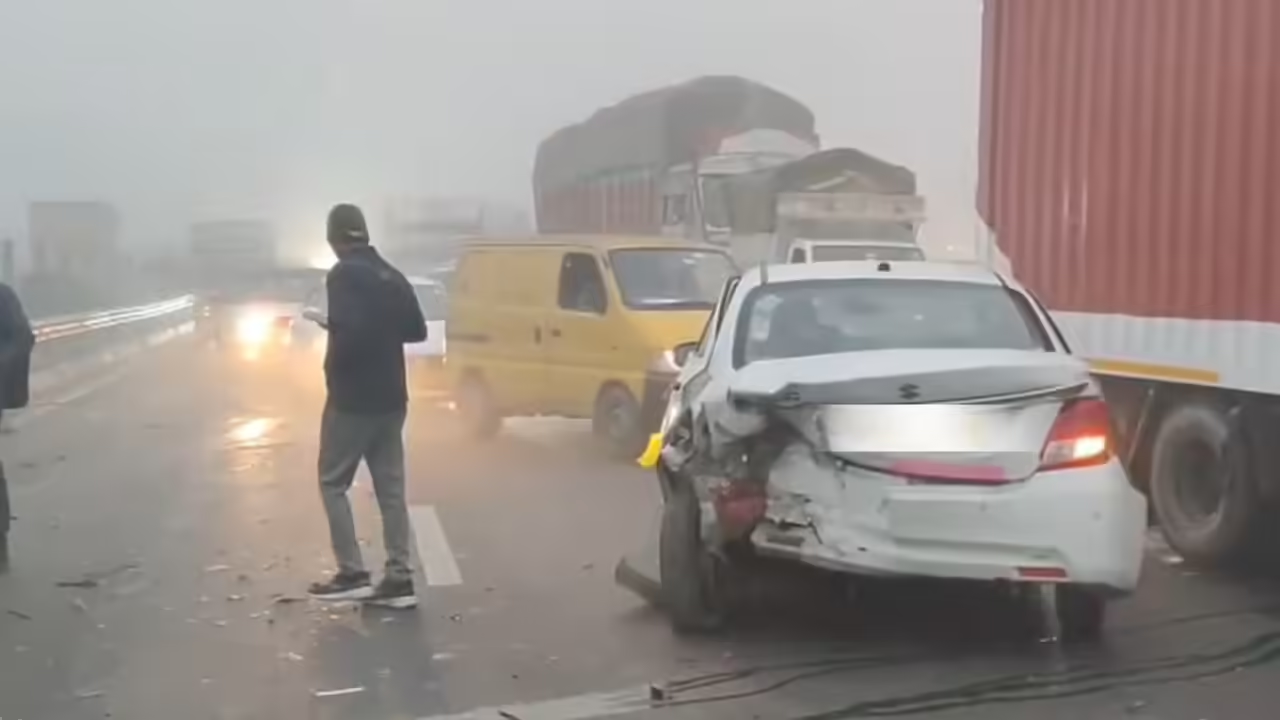
Chandigarh, India – A tragic collision between a car and a bus in dense fog in Punjab claimed four lives on Saturday evening, highlighting the persistent dangers of low-visibility conditions on Indian roads during the winter season.
The accident occurred on January 10, 2026, at approximately 7:57 PM GMT, in Punjab, a northern state plagued by thick fog this time of year. According to reports, the car collided head-on with the bus amid severely reduced visibility, resulting in the immediate deaths of four individuals. Emergency services responded promptly, but the victims could not be saved.
Details of the incident remain limited as investigations are underway. The Times of India reported the crash as a direct consequence of the dense fog that has enveloped much of northern India, reducing visibility to near zero in affected areas. Local authorities have not yet released the identities of the deceased or specifics on the number of injured passengers, if any, from the bus.
Escalating Road Safety Concerns in Foggy Conditions
Punjab, along with neighboring states like Haryana, Uttar Pradesh, and Delhi, routinely experiences heavy fog from December to January due to the region's cold winters and high humidity. This meteorological phenomenon, known as radiation fog, forms when cool air traps moisture near the ground, drastically impairing drivers' ability to navigate highways and rural roads.
The Indian Meteorological Department (IMD) has issued repeated advisories this season, warning of fog densities up to 50-200 meters visibility in Punjab and surrounding areas. Such conditions have led to a spike in accidents across north India. For instance, in previous winters, similar fog-related crashes have resulted in dozens of fatalities weekly. In 2023, the National Crime Records Bureau (NCRB) data indicated that over 1.68 lakh people died in road accidents nationwide, with adverse weather contributing to a significant portion, particularly in northern states.
This latest tragedy underscores broader road safety challenges in India. The country has one of the highest road fatality rates globally, with the World Health Organization estimating 150,000 annual deaths. Overloaded vehicles, poor lane discipline, and inadequate highway infrastructure exacerbate risks during fog. Buses, often carrying passengers on intercity routes, are frequent participants in such collisions due to high traffic volumes on national highways like NH-44, which traverses Punjab.
Local police have initiated a probe to determine if speeding or failure to heed fog protocols played a role. Punjab Transport Minister Laljit Singh Bhullar has previously emphasized the enforcement of speed limits and mandatory use of fog lights, but compliance remains inconsistent.
Historical Context of Fog-Related Accidents in India
Fog has long been a seasonal killer on Indian roads. In January 2024, a similar pile-up on the Delhi-Agra highway in Uttar Pradesh fog killed at least 10 people. Earlier that winter, Punjab itself reported over 200 fog-induced accidents. The government responded with measures like installing anti-fog lights on highways and deploying fog signal systems, but experts argue for more comprehensive solutions.
The Ministry of Road Transport and Highways mandates vehicles to carry fog lamps and reflective triangles, yet enforcement is lax. The 'Sadak Suraksha Abhiyan' campaign promotes night-travel restrictions during fog, but rural stretches in Punjab lack proper signage and barriers. Climate patterns, influenced by phenomena like La Niña, have intensified fog episodes in recent years, prolonging the high-risk period.
In Punjab specifically, the state's road network spans over 80,000 km, with national highways accounting for a disproportionate share of fatalities. The Punjab Road Safety Policy aims to halve deaths by 2025, but progress has been slow amid rising vehicle ownership—over 1.5 crore registered vehicles as of 2024.
Government Response and Public Safety Measures
Following the crash, Punjab police issued fresh appeals for caution. Drivers are urged to use hazard lights, maintain distance, and avoid overtaking. The IMD forecasts continued fog through mid-January 2026, with moderate to dense conditions expected in Punjab until at least January 15.
Nationally, the Union Road Transport Ministry has allocated funds for intelligent transport systems, including fog-penetrating sensors on key highways. However, implementation lags in rural Punjab districts where such accidents often occur.
Outlook: Urgent Need for Proactive Reforms
This incident serves as a stark reminder of the human cost of seasonal fog in India. While immediate condolences pour in for the victims' families, long-term prevention demands investment in weather-resilient infrastructure, stricter licensing, and public awareness. As winter persists, authorities face pressure to avert further tragedies on fog-shrouded roads.
Road safety advocates call for mandatory winter tire regulations and AI-based early warning apps integrated with vehicle telematics. Until such measures gain traction, Punjab's highways remain perilous battlegrounds against nature's whims.
(Word count: 612)