
Flight Disruptions and Rising Tensions: The New Face of Middle Eastern Geopolitics
Urgent Advisory for Travelers
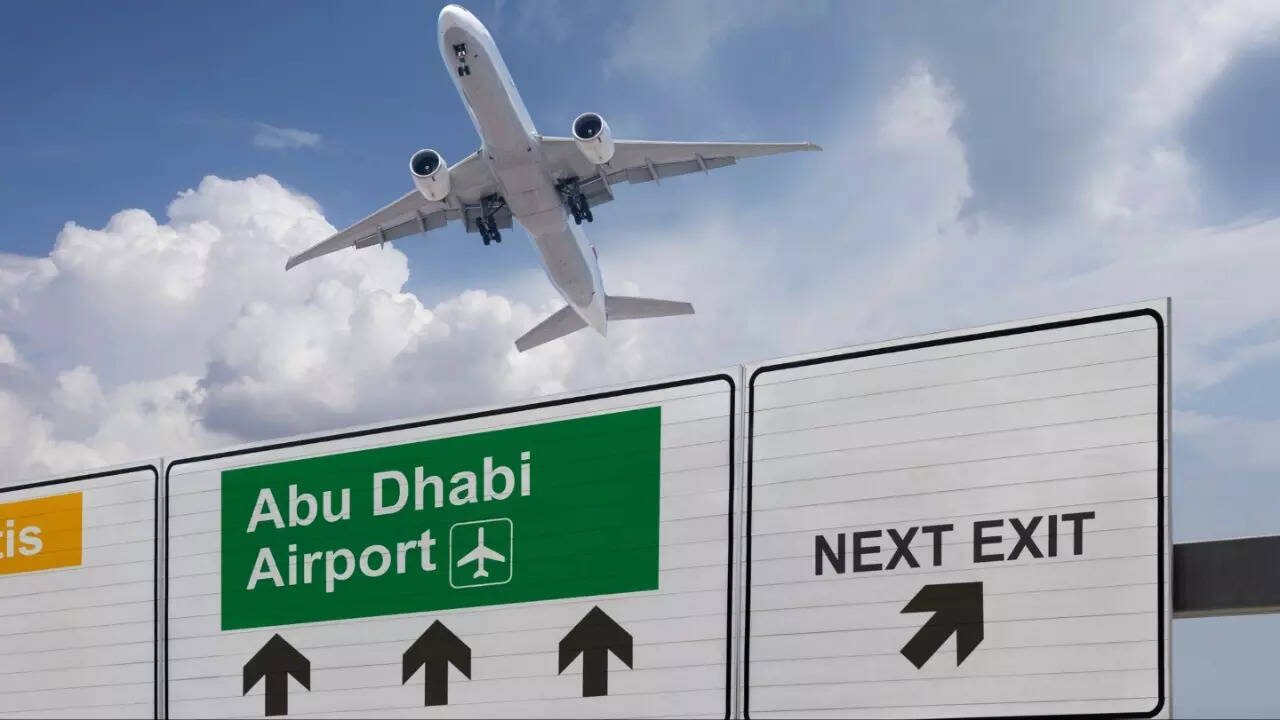
Abu Dhabi Airports has issued an urgent advisory for passengers at Zayed International Airport amid escalating Iran-US-Israel tensions. This advisory warns of widespread flight disruptions that underscore how geopolitical flashpoints are grounding civilian travel and humanizing the costs of conflict for ordinary people. Travelers are urged to check with airlines for updates, as routes to and from key hubs like Dubai, Doha, and beyond face cancellations and delays.
The Immediate Fallout
Flight disruptions have plunged into chaos across the Middle East. This comes as airspace closures ripple through the region, stranding thousands—families separated, business deals halted, and medical evacuations jeopardized. These aren't abstract statistics; they're parents missing school events and workers facing sudden unemployment. The disruptions serve as a stark microcosm of broader geopolitical strife, where military posturing directly invades civilian skies, forcing reroutes over safer paths like the Indian Ocean and amplifying fuel costs globally.
Context & Background
This crisis echoes a cyclical pattern of conflict in the Middle East, where regional alliances and interventions repeatedly disrupt travel and security. Key timeline events illustrate the buildup: On January 3, 2026, Saudi Arabia backed Yemeni peace talks, signaling fragile diplomacy. Tensions spiked by January 14 when US personnel were urged to evacuate a Middle East base, followed on January 27 by the deployment of a US Carrier Strike Group—a clear escalatory move. By February 27, an OIC emergency meeting addressed West Bank annexation fears, coinciding with explicit threats of force that have now manifested in aerial standoffs. Past parallels abound, like the 2019-2020 US-Iran shadow war after Soleimani's killing, which shuttered Iraqi airspace, or the 2023-2024 Gaza escalations that rerouted flights for months. These events reveal how proxy battles and great-power rivalries invariably ensnare civilian aviation, turning hubs like Abu Dhabi into barometers of instability.
Why This Matters
Aviation chaos isn't just logistical—it's a lens on eroding regional stability. The US Carrier Strike Group's presence responds to Iran's missile tests and proxy attacks, deterring escalation but risking miscalculation. Regional powers like Saudi Arabia, once escalatory via Yemen, now pivot toward mediation, hosting talks to safeguard oil routes and Gulf tourism economies reliant on seamless skies. For stakeholders—from Emirates Airlines losing millions daily to expatriate workers in the UAE—this means heightened vulnerability. Broader implications include surging insurance premiums, supply chain snarls, and a chilling effect on investment, all while humanizing the toll: displaced Yemenis or Iranian families cut off from aid flights. These disruptions signal that without de-escalation, the Gulf's role as a global transit nexus could fracture, amplifying economic ripples worldwide.
What People Are Saying
Social media buzz reflects traveler frustration and geopolitical alarm. A viral tweet from @TravelGulfPro (12K likes): "Abu Dhabi advisory hits hard—my Dubai flight canceled, stranded with kids. When does geopolitics stop ruining holidays? #MiddleEastTensions." Experts chime in too: Analyst @MEWatchdog posted, "US carrier deployment + Iran threats = 1991 Gulf War vibes. Airspace closures first sign of worse." Official voices urge calm; UAE's aviation authority tweeted, "Safety first—monitor updates amid regional developments."
Looking Ahead
Expect intensified diplomatic pushes from Saudi Arabia and the OIC to restore air corridors and avert escalation, potentially yielding short-term flight normalcy. Yet, US allies may greenlight targeted strikes if Iran proxies activate, prolonging disruptions. Watch for EU mediation offers and airline consortiums lobbying for safe zones—scenarios pointing to fragile stability over outright war, though a Houthi drone incident could tip scales.
This is a developing story and will be updated as more information becomes available.






