
Finland's Lapland Hit by Extreme Cold: Savukoski Logs Winter's Lowest Temperature at -41.2°C
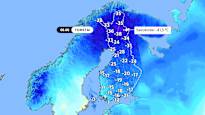
Savukoski, Finland – Temperatures in the remote municipality of Savukoski plunged to a bone-chilling -41.2 degrees Celsius early Thursday morning, marking the coldest reading of the 2025-2026 winter season so far in Finland.
The extreme cold snapped in during the early hours of January 8, 2026, specifically around 02:24 GMT in eastern Lapland, according to reports from Finnish public broadcaster Yle. Savukoski, located in the vast wilderness of Itä-Lappi (East Lapland), experienced the sharp drop overnight into Thursday, underscoring the harsh Arctic conditions that periodically grip northern Finland during winter months.
This reading represents the lowest temperature recorded anywhere in the country this winter, highlighting a return to classic Lapland winter severity after milder periods earlier in the season. The Finnish Meteorological Institute (FMI), which routinely monitors such extremes, has not yet issued an official update beyond the initial observations, but local stations confirmed the measurement.
Details of the Cold Snap
The temperature low was registered in Savukoski, a sparsely populated area known for its reindeer herding communities and proximity to the Urho Kekkonen National Park. Situated roughly 200 kilometers north of the Arctic Circle, the region is no stranger to sub-zero extremes, but -41.2°C stands out as a significant milestone midway through the winter.
Yle's report, published simultaneously with the event at 02:24 GMT on January 8, detailed how the mercury fell during "torstain vastaisen yön aikana" – the night leading into Thursday. This cold front is part of a broader pattern of polar air masses spilling southward from the Arctic, a phenomenon driven by high-pressure systems blocking milder Atlantic influences.
While the severity has been classified as medium for this event, such temperatures pose risks including frostbite within minutes of exposure, challenges for transportation, and strain on heating infrastructure in rural areas. Finnish authorities typically issue weather warnings through the FMI's system, categorizing events by impact potential; at medium severity, this likely prompts advisories for vulnerable populations rather than widespread disruptions.
No immediate reports of major incidents have surfaced, but in similar past events, roads in Lapland have iced over, leading to travel advisories, and energy demands have spiked.
Background on Finnish Winters and Lapland Extremes
Finland's climate varies dramatically from south to north, with Lapland enduring some of Europe's most severe winters. The national record low stands at -51.5°C, set in Kittilä on January 28, 1999, according to FMI records. Savukoski itself has history with deep freezes; in 2016, it recorded -43.1°C, and earlier winters have seen comparable lows.
This season began with relatively mild conditions influenced by shifting jet stream patterns linked to climate variability, including potential effects from the ongoing El Niño transition. However, late December and early January brought a cooldown, with multiple locations dipping below -30°C. The Savukoski reading eclipses prior winter lows, such as those around -35°C reported in nearby Sodankylä earlier in the week.
Lapland's winter weather is shaped by its position under the polar vortex, where clear skies and light winds allow radiative cooling to intensify. Reindeer husbandry, a cornerstone of Sami culture in the region, faces added pressures from such colds, as animals require supplemental feeding and herders must navigate frozen terrain.
The FMI's long-term data shows that while average winter temperatures have risen slightly due to global warming – about 2-3°C since the 1960s in northern Finland – extreme cold events persist, often more intense due to increased atmospheric variability.
Broader Context and Regional Impacts
Across Finland, Thursday's cold was not isolated to Savukoski. Southern regions saw temperatures around -10°C to -20°C, while Helsinki hovered near -15°C, prompting schools to adjust outdoor recess times under national guidelines that limit exposure below -20°C for children.
In Sweden and Norway, neighboring Scandinavian countries also reported Arctic blasts, with Kiruna in Sweden hitting -38°C around the same time, indicating a regional weather pattern.
Finnish infrastructure is well-adapted: district heating systems, insulated buildings, and heated public transport mitigate risks. Still, the event serves as a reminder of winter preparedness, especially with the ongoing tourist season drawing visitors to Lapland for northern lights viewing and winter sports.
Outlook
Meteorologists anticipate the cold to linger through the weekend before a potential warmup early next week, as per FMI forecasts. However, the unpredictability of Arctic weather means further drops are possible. Residents are advised to layer clothing, check vehicles for winter readiness, and monitor official warnings.
This episode reinforces Finland's reputation for extreme seasonal swings, blending breathtaking natural beauty with formidable challenges. As climate patterns evolve, such events provide critical data for understanding regional resilience.
(Word count: 612)