
Finland Shivers Through Winter's Coldest Night as Savukoski Hits -41.2°C
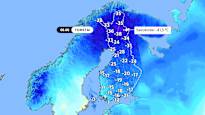
Savukoski, Finland – Temperatures in the remote village of Savukoski plunged to a bone-chilling -41.2 degrees Celsius early Thursday morning, marking the coldest reading of the 2025-2026 winter season across Finland.
The extreme cold snapped in during the early hours of January 8, 2026, specifically around 02:24 GMT in eastern Lapland, according to reports from the Finnish Broadcasting Company Yle. This Arctic blast underscores the harsh winter conditions typical of Finland's northern regions, where sub-zero temperatures are commonplace but such lows still demand vigilance from residents and authorities.
Yle's meteorology coverage detailed that the mercury dropped to -41.2°C in Savukoski, located in Itä-Lapland (Eastern Lapland), during the night preceding Thursday. This measurement represents the winter's lowest so far, surpassing previous cold snaps recorded in late 2025. The Finnish Meteorological Institute (FMI), which provides data for such reports, often tracks these extremes through its network of weather stations, and Savukoski's remote position amplifies its exposure to polar air masses.
While classified as a medium-severity weather event, the cold wave highlights the potential for frostbite, hypothermia, and disruptions to daily life in Finland's far north. No immediate injuries or widespread power outages were reported in the initial coverage, but such temperatures can freeze exposed skin within minutes and challenge heating infrastructure in rural areas.
Context of Finland's Arctic Winters
Finland, straddling the Arctic Circle in its northern third, experiences some of Europe's most severe winters. Lapland, where Savukoski lies approximately 200 kilometers north of the regional capital Rovaniemi, routinely sees temperatures below -30°C from December through February. Historical records show Finland's all-time low of -51.5°C, recorded in Kittilä on January 28, 1999—a benchmark that Savukoski's reading approaches but does not surpass.
This season's cold has been building amid a pattern of variable weather. Earlier in the winter, southern Finland dealt with milder conditions and occasional thaws, while the north endured prolonged freezes. The FMI has noted that cold air outbreaks from Siberia or the Arctic often funnel into Lapland via northerly winds, creating these pockets of extreme chill. Satellite imagery and weather models from the European Centre for Medium-Range Weather Forecasts (ECMWF) preceding January 8 indicated a strengthening high-pressure system over Scandinavia, trapping cold air and preventing warmer Atlantic flows from moderating the north.
Savukoski itself, with a population of around 1,800, is a hub for reindeer herding and forestry in the Urho Kekkonen National Park area. Residents are accustomed to such weather, relying on insulated homes, wood-fired heating, and community preparedness. The village's weather station, part of the FMI's synoptic network, provides critical data not just for local forecasts but also for climate monitoring across the Nordic region.
Broader Impacts and Response
Finnish authorities, including the FMI and the Ministry of the Interior's rescue departments, maintain 24/7 monitoring for severe weather. While no national emergency was declared for this event, advisories urged caution for outdoor activities, travel, and vulnerable groups such as the elderly and homeless. Road icing and reduced visibility from potential snow squalls accompanying the cold front pose additional risks on highways like Route 79 leading to Savukoski.
In Lapland, reindeer herders face particular challenges, as extreme cold stresses livestock and complicates traditional migration routes. The Finnish Reindeer Herders' Association has previously highlighted how such weather exacerbates conflicts with traffic and infrastructure.
This cold snap occurs against a backdrop of global climate discussions, where Finland—as an EU member and Nordic leader in sustainability—balances extreme weather events with long-term warming trends. The FMI's annual reports indicate that while average winter temperatures have risen slightly due to climate change, the frequency of intense cold outbreaks persists, driven by jet stream variability.
Looking Ahead
Forecasts from the FMI suggest the cold air mass will linger in northern Finland through the weekend, with daytime highs struggling above -30°C in Lapland. A gradual moderation is expected early next week as milder air edges northward. Travelers and locals are advised to check real-time updates via the FMI's Ilmatieteen laitos website and apps.
This event serves as a reminder of Finland's resilient north, where communities thrive amid the polar extremes. As the winter progresses, meteorologists will watch for further records, with Savukoski's reading already etched into the 2026 season's ledger.
(Word count: 612)