
Extreme Cold Grips Finland's Lapland: Power Outage and Airport Paralysis in Kittilä Leave Thousands Affected
Kittilä, Finland – A brutal cold snap plunging temperatures to -40 degrees Celsius has triggered a major power outage in Kittilä, Lapland, since Friday morning, exacerbating disruptions at the local airport where all Sunday flights were canceled, stranding thousands of passengers.
The power failure began on January 9, 2026, at 08:46 GMT, leaving residents of the remote Arctic community without electricity amid life-threatening cold. Kittilä, a popular ski resort destination in Finnish Lapland, relies heavily on stable power infrastructure during peak winter tourism season. The outage has compounded challenges for locals already battling extreme weather, with sub-zero temperatures persisting into the weekend.
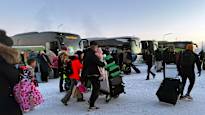
Simultaneously, the severe frost has crippled operations at Kittilä Airport (KTT), a key hub for international and domestic travelers visiting the northern lights and ski areas. According to reports from Yle News, all flights scheduled for Sunday, January 11, were canceled due to the paralyzing cold. The airport was set to handle 15 international departures and 8 domestic flights that day, affecting potentially thousands of passengers who are now awaiting updates on return journeys. The extreme weather has grounded aircraft, disrupted fueling, and posed safety risks to ground crews, halting all air traffic.
Finnish Lapland, located above the Arctic Circle, is no stranger to harsh winters, where temperatures routinely drop below -30°C. However, this event marks an unusually severe episode, with readings hitting -40°C – conditions that test even the region's robust infrastructure. Power grids in such remote areas are vulnerable to icing on lines, high winds, and thermal contraction, which can lead to snapped cables and transformer failures. The ongoing outage underscores these risks, as emergency services and utility crews work in hazardous conditions to restore service.
Kittilä Airport serves as a vital lifeline for the local economy, connecting tourists from Europe and beyond to resorts like Levi and Ylläs. In a typical winter weekend, it handles several thousand passengers, many on short ski getaways. The cancellations have ripple effects: stranded travelers face overcrowded terminals, limited accommodations in a small town, and difficulties accessing food and warmth without reliable power. Yle reported that passengers were left in limbo, with no clear timelines for resumption of flights.
Finnish authorities have issued widespread severe weather warnings for Lapland, advising residents to limit outdoor exposure, prepare emergency kits, and conserve energy. The Finnish Meteorological Institute has forecasted continued frigid conditions through early next week, with light snow adding to travel hazards on roads and runways. Utility company Caruna, responsible for much of Lapland's grid, has deployed repair teams, but progress reports remain limited amid the crisis.
This incident highlights broader vulnerabilities in Arctic regions amid climate variability. While global warming trends have slightly moderated average winter temperatures in Finland, extreme cold events persist, often intensified by polar vortex disruptions. In recent years, similar snaps have caused outages across Scandinavia; for instance, a 2021 cold wave in Finland left over 100,000 homes without power for days.
As of Sunday, no official estimates on the number of households affected by the Kittilä outage were available, but the town's population of around 6,000 suggests widespread impact. Airport authorities are coordinating with airlines such as Finnair and Norwegian for rebooking, though backlogs could extend into the week.
Restoration efforts continue around the clock, with hopes that improving weather – albeit still cold – will allow flights to resume soon. Travelers are urged to check airline apps and airport websites for updates, while locals brace for prolonged challenges. This severe weather episode serves as a stark reminder of Lapland's unforgiving climate, where nature's extremes can swiftly isolate communities and disrupt global travel links.
(Word count: 612)