
Explosive Developments in Venezuela: U.S. Strikes and Global Reactions
In a dramatic escalation of tensions in Venezuela, a series of explosions rocked the capital, Caracas, on January 3, 2026, following a U.S. military strike that reportedly captured President Nicolás Maduro. The U.S. actions, described as unprecedented, have led to international outcry and calls for de-escalation.
Early on January 3, residents of Caracas reported at least seven explosions, accompanied by the sight of low-flying aircraft over the city. Eyewitnesses described a chaotic scene as the blasts reverberated through the streets, raising fears among citizens already grappling with a deepening humanitarian crisis.
The explosions were part of a larger U.S. military operation that began on December 31, 2025, when President Donald Trump announced a drone strike targeting a facility in Venezuela allegedly linked to drug trafficking. This military action represents a significant shift in U.S. foreign policy toward Venezuela, following years of economic sanctions and diplomatic pressure aimed at ousting Maduro from power.
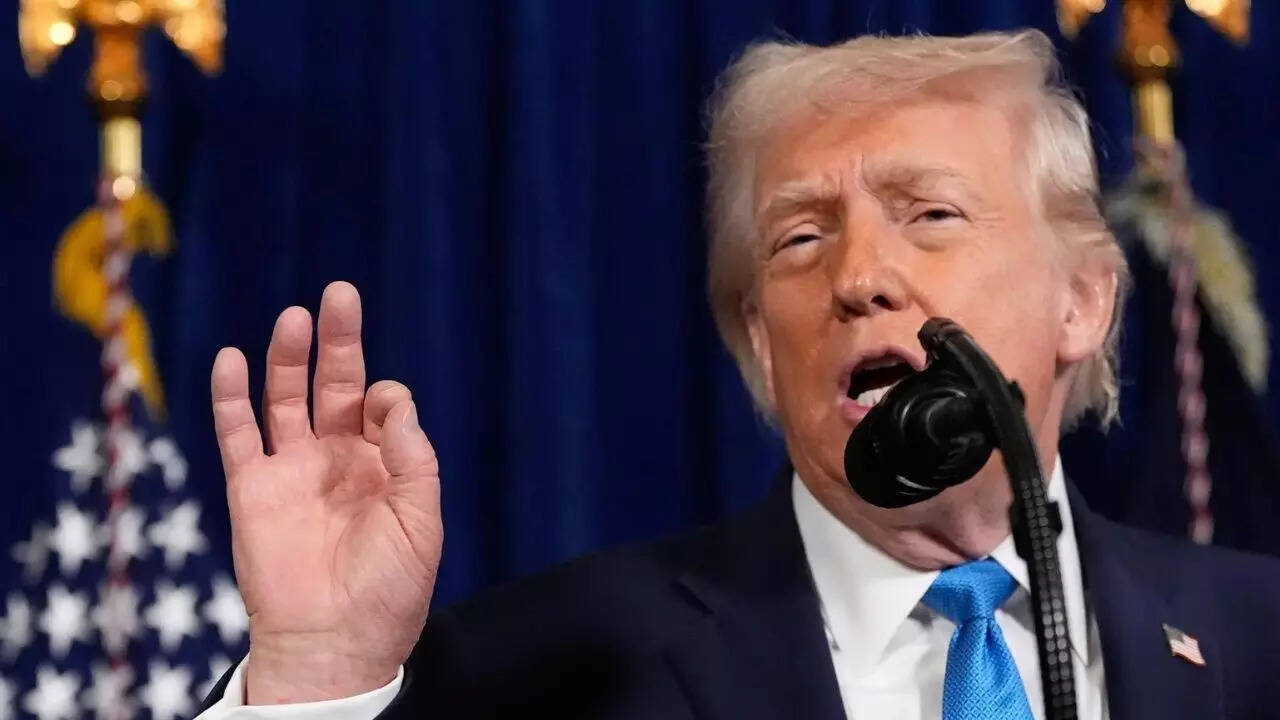
According to reports, the U.S. strike led to the capture of Maduro and his wife, with plans for their extradition to face narco-terrorism charges in New York. In a statement, President Trump emphasized the need to confront what he labeled as "the nexus of drugs, oil, and illegal immigration" that he claims has made Venezuela a threat to regional stability.
The fallout from these military actions has drawn mixed reactions from world leaders. South Korea, for example, has urged all parties involved to ease tensions and find a peaceful resolution to the crisis. Meanwhile, leaders from various countries expressed shock and concern over the escalation, highlighting the potential for increased instability in the region.
Venezuelan opposition leaders have welcomed the U.S. actions, viewing them as a necessary intervention against a government they accuse of widespread corruption and human rights abuses. However, critics argue that the military intervention could exacerbate the already dire situation in Venezuela, leading to further violence and suffering for the civilian population.
Background on Venezuela's Crisis
Venezuela has been in a state of turmoil for several years, with political strife, economic collapse, and humanitarian crises becoming commonplace. President Nicolás Maduro has faced increasing pressure both domestically and internationally, with allegations of electoral fraud and authoritarian governance. The country has struggled with hyperinflation, food shortages, and mass emigration, leading to one of the largest migration crises in the region.
The U.S. has long accused Maduro's government of harboring drug traffickers, and the recent military action is seen as an extension of Washington's efforts to weaken his grip on power. The current situation raises significant geopolitical implications, particularly as regional allies and adversaries react to U.S. involvement in Venezuela's internal affairs.
Conclusion
As the dust settles on the recent events in Caracas, the international community watches closely. The U.S. military action marks a pivotal moment in the ongoing struggle for control in Venezuela, with potential ramifications that could reverberate throughout Latin America and beyond. Calls for de-escalation and dialogue are emerging, but the path forward remains fraught with uncertainty and danger.






