
Exceptional Ice Floods Surge in Finland's Kruunupyy, Raising Water Levels 40 Centimeters in Just 30 Minutes
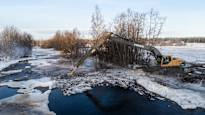
Kruunupyy, Finland – Residents in the western Finnish municipality of Kruunupyy awoke to dramatic flooding on Friday as exceptional ice jams caused river water to rise up to 40 centimeters in just half an hour, inundating yards and prompting swift local action.
The event, which began around 4 p.m. local time on January 9, 2026, was triggered by "hyydetulva," or ice floods—a phenomenon where thick ice sheets on rivers break and accumulate, blocking flow and forcing water upstream. Local measurements confirmed the rapid surge, with water spilling onto properties in low-lying areas. Finland's Finnish Environment Institute (Suomen ympäristökeskus, SYKE) has described the scale of these recent ice floods as "already exceptional," highlighting the unusual intensity observed over the past few days.
Kruunupyy, located along the Gulf of Bothnia in Ostrobothnia, about 100 kilometers south of Vaasa, is particularly vulnerable to such events due to its proximity to the meandering Kronoby River (Kruunupyynjoki). The river's winter ice cover, combined with recent mild temperatures and precipitation, likely contributed to the ice breakup. Authorities reported no immediate injuries or major structural damage, but the speed of the rise underscored the potential risks to homes and infrastructure.
Details of the Flood Event
Eyewitness accounts detailed how water levels escalated abruptly, catching some residents off guard. "The water came up so fast—40 centimeters in half an hour," locals measured, as reported by YLE. Floodwaters reached into backyards and near roads, prompting evacuations in affected zones and the deployment of sandbags by municipal teams. Emergency services monitored the situation overnight, with river gauges showing continued fluctuations.
SYKE's assessment points to a broader pattern of intensified ice flooding across Finland in recent days. The institute noted that the extent of these hyydetulvat exceeds typical winter norms, potentially linked to variable weather patterns including thaws following cold snaps. While classified as medium severity by monitoring systems, the event disrupted daily life and raised concerns about secondary impacts like road closures and power outages if ice dams persist.
Finnish rescue services (Pelastuslaitos) coordinated with local authorities, advising residents to avoid riverbanks and low areas. By late Friday, water levels had stabilized somewhat, but officials urged vigilance amid forecasts of continued mild weather into the weekend.
Background on Ice Floods in Finland
Ice floods are a recurring winter hazard in Finland, particularly in rivers draining into the Baltic Sea. They occur when fast-flowing water under ice sheets causes blockages, leading to sudden upstream surges. Historical data from SYKE and the Finnish Meteorological Institute (Ilmatieteen laitos) show that such events peak in January and February, often exacerbated by rapid temperature shifts.
Finland's northern latitude and extensive river network—over 647 rivers longer than 10 kilometers—make it prone to these phenomena. Notable past incidents include severe ice jams on the Kyrönjoki River in 2012 and 2023, which caused widespread flooding in Pohjanmaa (Ostrobothnia). Climate trends have introduced variability: warmer winters reduce ice thickness in some areas but can lead to unstable formations elsewhere, as per European Environment Agency reports on Nordic flood risks.
Kruunupyy itself has a history of fluvial flooding, with its coastal location amplifying tidal influences during ice events. The municipality's flood risk management plan, updated in line with EU Floods Directive requirements, includes early warning systems and ice-breaking operations using helicopters or explosives when necessary. This week's event aligns with SYKE's ongoing monitoring of national water levels, which have been elevated due to autumn rains and partial ice melts.
Broader Context and Response
The floods come amid a winter of atypical weather across Scandinavia. Finland has seen above-average precipitation this season, with the Finnish Meteorological Institute reporting mild spells interrupting cold periods. Similar ice-related disruptions have been noted in neighboring Sweden along the Ume River, though Finland's events remain localized.
National authorities, including the Ministry of Agriculture and Forestry, which oversees water management, emphasized preparedness. SYKE urged continued data collection to refine predictive models. Local leaders in Kruunupyy called for federal support to bolster river defenses, citing the exceptional nature flagged by experts.
Outlook
As of Saturday, January 10, 2026, the situation in Kruunupyy remains under control, with receding waters in most areas. However, forecasters predict possible refreezing, which could prolong risks. SYKE's real-time dashboards show moderate river levels, but residents are advised to stay informed via apps like the Finnish Rescue Services' warnings portal.
This event serves as a reminder of Finland's vulnerability to compound winter hazards, where ice dynamics intersect with changing climate patterns. Enhanced monitoring and infrastructure investments continue to be priorities for mitigating future occurrences.
(Word count: 682)