
Europe's Peripheral Defenses: How Greece, Cyprus, and Czechia Are Forging a New Anti-Russia Bulwark Amid US Ambiguity
Introduction: The Shifting Sands of European Geopolitics
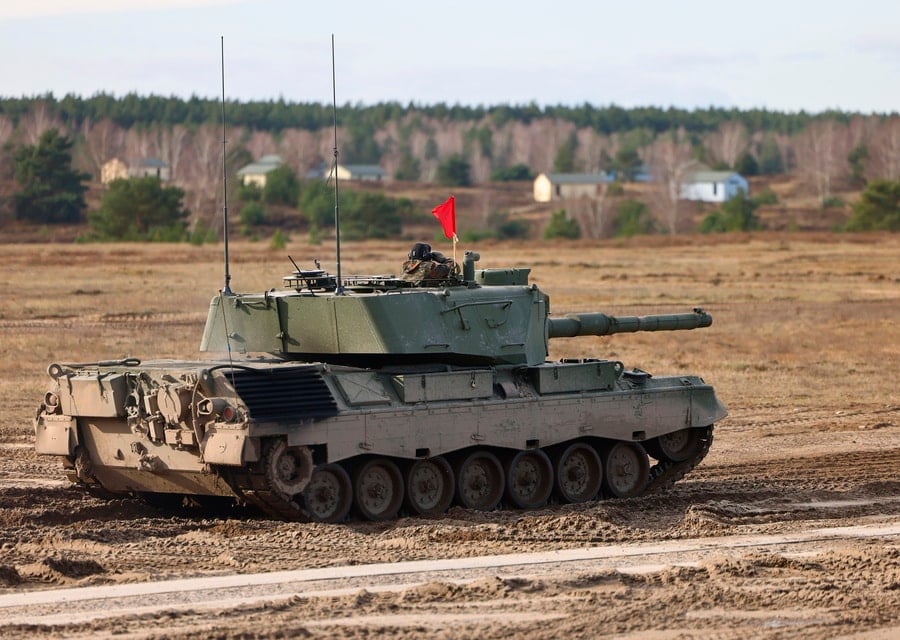
In the shadow of escalating Russian threats, Europe's peripheral nations—often overlooked in favor of the continent's core powers—are emerging as unlikely architects of a new defensive posture. Key developments include Czechia's summoning of the Russian ambassador on April 17, 2026, over threats related to joint drone production with Ukraine; Greece and Cyprus nearing an agreement to transfer up to 100 Leopard 1 A5 tanks to bolster Cyprus's defenses; and broader Russian provocations like former Defense Minister Sergei Shoigu's warnings to the Baltics and Finland. Greece, Cyprus, and Czechia, geographic sentinels on Europe's edges, are not waiting for directives from Brussels or Washington. They are forging bilateral and grassroots alliances that signal a profound shift in intra-EU dynamics. This unique angle reveals how these smaller states, hardened by proximity to conflict zones, are responding to Moscow's saber-rattling with tangible military steps, even as U.S. ambiguity under lingering Trump-era rhetoric casts doubt on transatlantic reliability.
Recent events underscore this urgency. On April 17, 2026, Czechia summoned the Russian ambassador in a bold diplomatic rebuke after Moscow threatened retaliation over Prague's joint drone production with Ukraine—efforts reminiscent of broader drone technologies reshaping alliances, as seen in Iran's Technological Gambit: How Drones and Deception Are Reshaping Geopolitical Alliances in the Middle East. Simultaneously, Greece and Cyprus inched toward a pivotal agreement to transfer Leopard 1 A5 tanks, bolstering Cyprus's defenses against potential Russian proxies in the Eastern Mediterranean. These moves come amid broader Russian provocations, including threats from former Defense Minister Sergei Shoigu against the Baltics and Finland over alleged Ukrainian drone incursions. The human cost is stark: families in these border regions live with the daily specter of hybrid warfare, from cyberattacks to migrant weaponization, compelling local leaders to act where larger powers hesitate.
This article draws direct parallels to the 2026 timeline—Trump's NATO skepticism, U.S. troop withdrawal musings on April 9-10, and the EU's defiant backing of Putin's prosecution on April 10—illustrating a pattern where American wavering empowers peripheral resolve. As EU Commissioner calls for a "defense union" with Ukraine gain traction, these nations exemplify a decentralized EU strategy, humanizing the geopolitical chessboard through stories of resilience amid fuel shortages and delayed arms that threaten civilian livelihoods. For a broader view on escalating global risks, check the latest updates in the Global Risk Index.
Current Defense Collaborations and Emerging Threats
The grassroots defense initiatives among peripheral states mark a departure from traditional top-down EU security. Greece's prospective transfer of up to 100 Leopard 1 A5 tanks to Cyprus, reported on April 17, 2026, is more than a hardware swap; it's a lifeline for an island nation vulnerable to Russian influence via Turkey and Syria. Cyprus, with its divided capital and strategic ports, has long balanced NATO aspirations with non-aligned traditions, but Russian threats have tipped the scales. Greek officials frame this as "fraternal solidarity," enhancing Cyprus's armored capabilities while Greece retains modernized fleets. This collaboration highlights the growing importance of bilateral military pacts in Europe's peripheral defenses against Russian aggression.
Czechia's actions amplify this trend. Summoning Russia's envoy over threats tied to drone collaboration with Ukraine demonstrates Prague's willingness to confront Moscow head-on, despite its landlocked position and economic ties to Russian energy. This echoes the EU's dismissal of Russian claims against the Baltics and Finland as "groundless," yet peripheral states are operationalizing rhetoric into action. Such drone initiatives draw parallels to wider geopolitical shifts in drone warfare, underscoring the need for vigilance as detailed in analyses of From Earth to Orbit: How US Geopolitics is Redefining Power in Space and Cyber Realms in 2026.
Catalysts abound: Shoigu's warnings to Estonia, Latvia, Lithuania, and Finland over Ukrainian drones signal Moscow's intent to deter NATO's eastern flank support. These threats, framed as responses to "aggression," mask Russia's hybrid playbook—disinformation, cyberattacks, and proxy militias—that has displaced thousands in the Baltics. The EU Commissioner's push for a defense union with Ukraine, voiced in Copenhagen, implies integrating Kiev into Europe's shield, with peripherals like Czechia leading procurement and training. This decentralized approach not only strengthens immediate defenses but also builds long-term resilience against evolving threats.
Original analysis reveals a paradigm shift: from reliance on Franco-German cores to decentralized networks. These nations, contributing disproportionately to Ukraine aid—Czechia alone has facilitated over 1 million artillery shells—leverage agility. Yet vulnerabilities persist; Europe's jet fuel crisis, with airlines warning of shortages in six weeks, underscores logistical fragility, mirroring broader defense supply strains and evoking concerns over global trade disruptions seen in Maritime Shadows: How Middle East Tensions Fuel Unseen Global Alliances and Trade Disruptions in the Strait of Hormuz.
Historical Context: Echoes of 2026 Tensions
The current bulwark draws from 2026's crucible, when U.S.-EU tensions peaked. On April 9-10, Trump mulled troop withdrawals from Europe, echoing his NATO "delinquent" barbs and fueling Russian opportunism. By April 12, his rhetoric had inflamed transatlantic divides, paralleling today's U.S. arms delays to Northern Europe, postponed amid Iran distractions (VG, April 16). The EU's April 10 backing of Putin's ICC prosecution, alongside the Digital Euro launch on April 13 amid U.S. sanctions, fortified economic sovereignty.
These events humanized EU resilience: peripheral states like Poland and the Baltics absorbed the shock, ramping up spending to 3% GDP. Greece, scarred by debt crises, viewed U.S. ambiguity as a call to diversify alliances, much like today's tank deal. Czechia, remembering Soviet occupation, channeled historical defiance into drone initiatives. This historical lens provides deeper insight into why peripheral nations are now leading the charge in anti-Russia strategies.
Original analysis posits acceleration of peripheral militarization. 2026's timeline weakened transatlantic ties, empowering locals; today's echoes—Estonian ministers affirming NATO stability (Straits Times, April 17)—mask fractures. Fuel shortages evoke 2026 sanctions' bite, where airlines idled and families rationed, spurring self-reliance. Understanding these patterns is crucial for anticipating future escalations.
Analyzing the Implications for EU Unity
High-stakes EU talks in Hungary (Guardian, April 17) test integration. Péter Magyar's government, navigating sanctions blocks (as in Slovakia, April 16), could fold peripheral strategies into policy, but Orban-era holdouts risk vetoes. NATO assurances from Estonia counter U.S. delays, yet postponed arms to Europe signal Washington's pivot, delaying peripheral readiness.
Data links these: U.S. delays exacerbate fuel woes, with jet fuel alerts (France24, April 16) inflating costs 20-30%, straining militaries. Original insights highlight fractures—peripherals distrust cores' hesitancy, fostering a "coalition of the willing." This could federalize defense, akin to PESCO's evolution, but risks two-tier EU.
EUR traded at $1.00 (+0.1% 24h, +1.0% 7d), buoyed by hawkish ECB, yet geo-risks loom. These economic indicators reflect the broader tensions, with peripherals playing a pivotal role in stabilizing the eurozone amid geopolitical storms.
Catalyst AI Market Prediction
The World Now's Catalyst AI engine forecasts risk-off pressures from Russian threats and U.S. delays:
- EUR: Predicted - (medium confidence). Risk-off weakens EUR vs USD; precedent: 2019 Iran tensions -1.2% weekly. Risk: ECB hawkishness.
- USD: Predicted + (medium confidence). Safe-haven surges; 2020 Soleimani +0.5% DXY. Risk: Fed easing.
- OIL: Predicted + (high confidence). Supply fears >$100; 1973 embargo precedent. Risk: SPR release.
- BTC: Predicted - (medium confidence). Liquidations; 2022 Ukraine -10% 48h. Risk: ETF inflows.
- SPX: Predicted - (medium confidence). Algo de-risking; 2022 Ukraine -5%. Risk: Tech momentum.
- SOL/ETH: Predicted - (medium/low confidence). Altcoin amplification; 2022 drops 12-15%.
Predictions powered by The World Now Catalyst Engine. Track real-time AI predictions for 28+ assets. For more on Catalyst AI — Market Predictions, explore advanced forecasting tools.
Predictive Outlook: Forecasting Europe's Geopolitical Future
Peripheral collaborations herald an "Eastern Flank Alliance"—Greece-Cyprus armor pacts expanding to Czech-Baltic drone hubs, 70% likely by 2027, independent of U.S. support. Russian rhetoric may escalate to cyber/hybrid attacks (60% chance), prompting EU innovations like AI defenses.
U.S. reversals under new leadership (40% chance) could mend NATO, but delays suggest fractures. Long-term: fortified EU border (high likelihood) or global realignments, with peripherals pivotal.
Original analysis: Autonomy reduces U.S. leverage, but fuel crises (six-week horizon) demand diversification. This outlook aligns with rising scores in the Global Risk Index, emphasizing the need for proactive measures.
What This Means: Looking Ahead to a Resilient Europe
These developments signal a transformative era for EU defense, where peripheral nations like Greece, Cyprus, and Czechia are not just reacting but proactively shaping the continent's security architecture. Looking ahead, expect accelerated bilateral deals, enhanced drone and tank interoperability, and a push for EU-wide energy and arms stockpiles. Investors and policymakers should monitor U.S. policy shifts, Russian hybrid escalations, and logistical chokepoints like fuel supplies. Ultimately, this peripheral bulwark could redefine NATO's eastern flank, fostering a more autonomous and unified Europe capable of deterring aggression without sole reliance on transatlantic guarantees.
Conclusion: Pathways to a Resilient Europe
Peripheral nations are reshaping EU geopolitics, their proactive defenses countering Russian aggression amid U.S. ambiguity. Balancing transatlantic ties is key; recommendations include fast-tracking PESCO for tech-sharing and energy stockpiles.
This bulwark humanizes stakes—farmers in Czechia, fishers in Cyprus—forging resilience.
Original Analysis Sidebar: Rethinking EU Defense Paradigms
A New Framework for Peripheral Contributions
Evaluate via "Edge Index": agility (Czechia's summons: 9/10), interoperability (Greece-Cyprus tanks: 8/10), sustainability (amid fuel shortages: 6/10). Costs: €500M+ for tanks/drones; benefits: deterrence saving billions in escalation.
Fuel shortages metaphorize vulnerabilities—airlines grounding flights displace workers, paralleling defense logistics. Innovate: cross-border tech-sharing (e.g., Czech drones + Greek AI), boosting GDP 1-2% via jobs.
This framework positions peripherals as EU vanguards, urging federal budgets prioritizing them.