
Europe's Most Active Volcano Erupts in Lithuania, Heightening Concerns
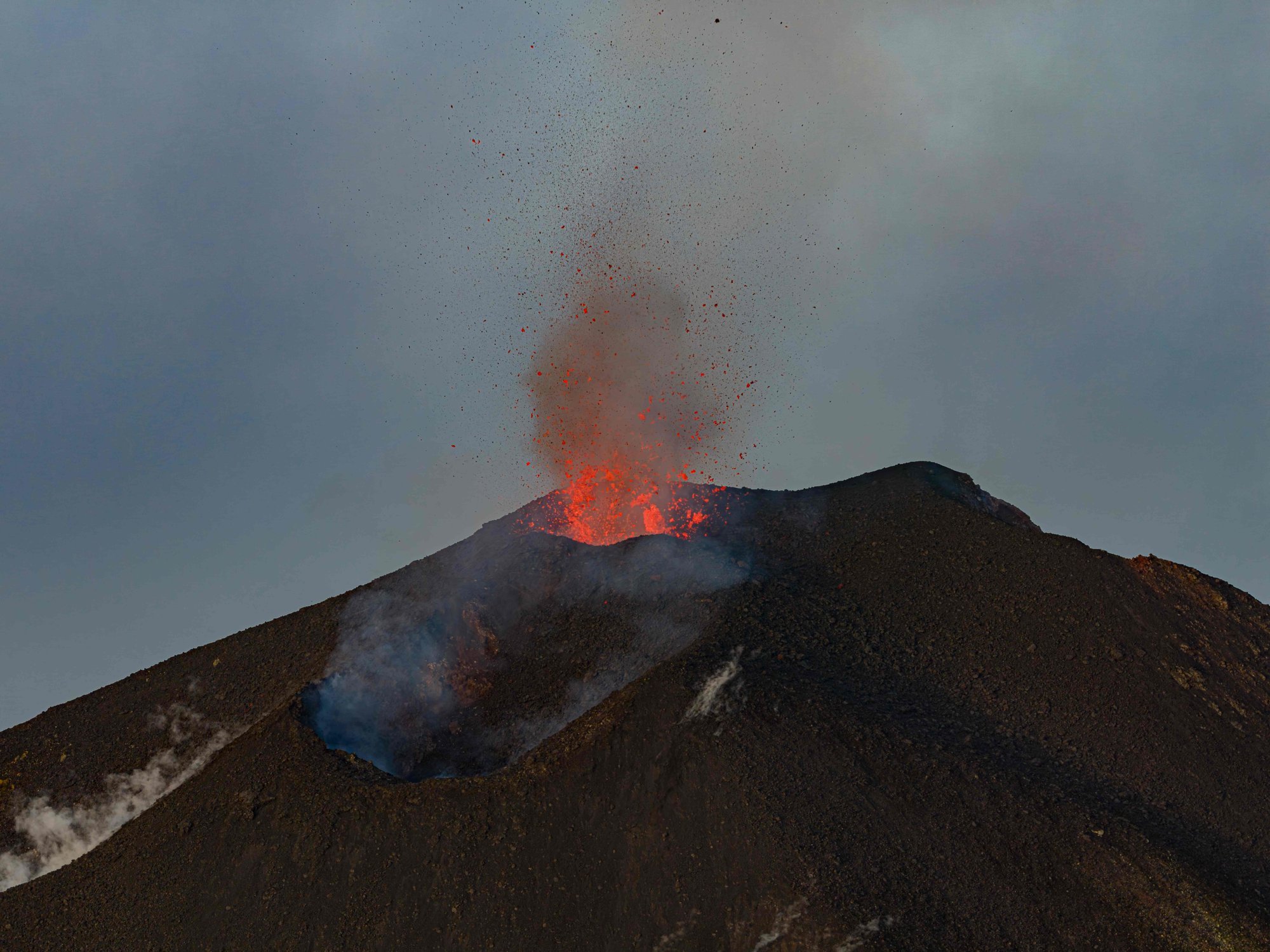
In a significant geological event, the most active volcano in Europe erupted on January 3, 2026, at approximately 21:43 UTC. The eruption has raised alarms among local authorities and residents, as the potential impacts of the volcanic activity could be far-reaching.
The eruption, which occurred in Lithuania, is notable for its high severity, marking it as a critical incident for the region. While specific details regarding the eruption's magnitude and immediate effects are still being assessed, initial reports indicate that the volcanic activity has already prompted safety measures and emergency protocols in surrounding areas.
Local officials are closely monitoring the situation as volcanic ash and gases can pose health risks, particularly to vulnerable populations. In addition, the eruption could disrupt air travel and impact agriculture in affected regions due to ash fall. Authorities are urging residents in nearby communities to remain vigilant and prepared for possible evacuations if the situation escalates.
The eruption of this volcano is not just a local concern; it has implications for the broader European region, given its status as the most active volcano on the continent. Geological experts emphasize the importance of understanding the eruption's context within the ongoing geological activity in the area, which has been historically significant.
As reports surface and analyses are conducted, scientists and volcanologists are expected to provide further insights into the causes of this eruption and its potential long-term effects on the environment and local communities.
In light of this eruption, it is crucial for residents and visitors in the region to stay informed through official channels and adhere to advice from local authorities. The situation remains dynamic, and updates will be provided as more information becomes available.
Background on European Volcanism
Europe is home to several significant volcanic regions, with the most active volcanoes located in places like Italy and Iceland. However, this recent eruption in Lithuania highlights the continent's diverse geological landscape and the potential for volcanic activity beyond the well-known hotspots.
Historically, eruptions can lead to a range of environmental changes, impacting air quality and climate patterns, as well as posing challenges to human health and safety. The monitoring of volcanic activity is critical for disaster preparedness and response.
As the situation develops, the focus will remain on ensuring the safety of those living near the volcano and understanding the broader implications of this event on the region's geology.