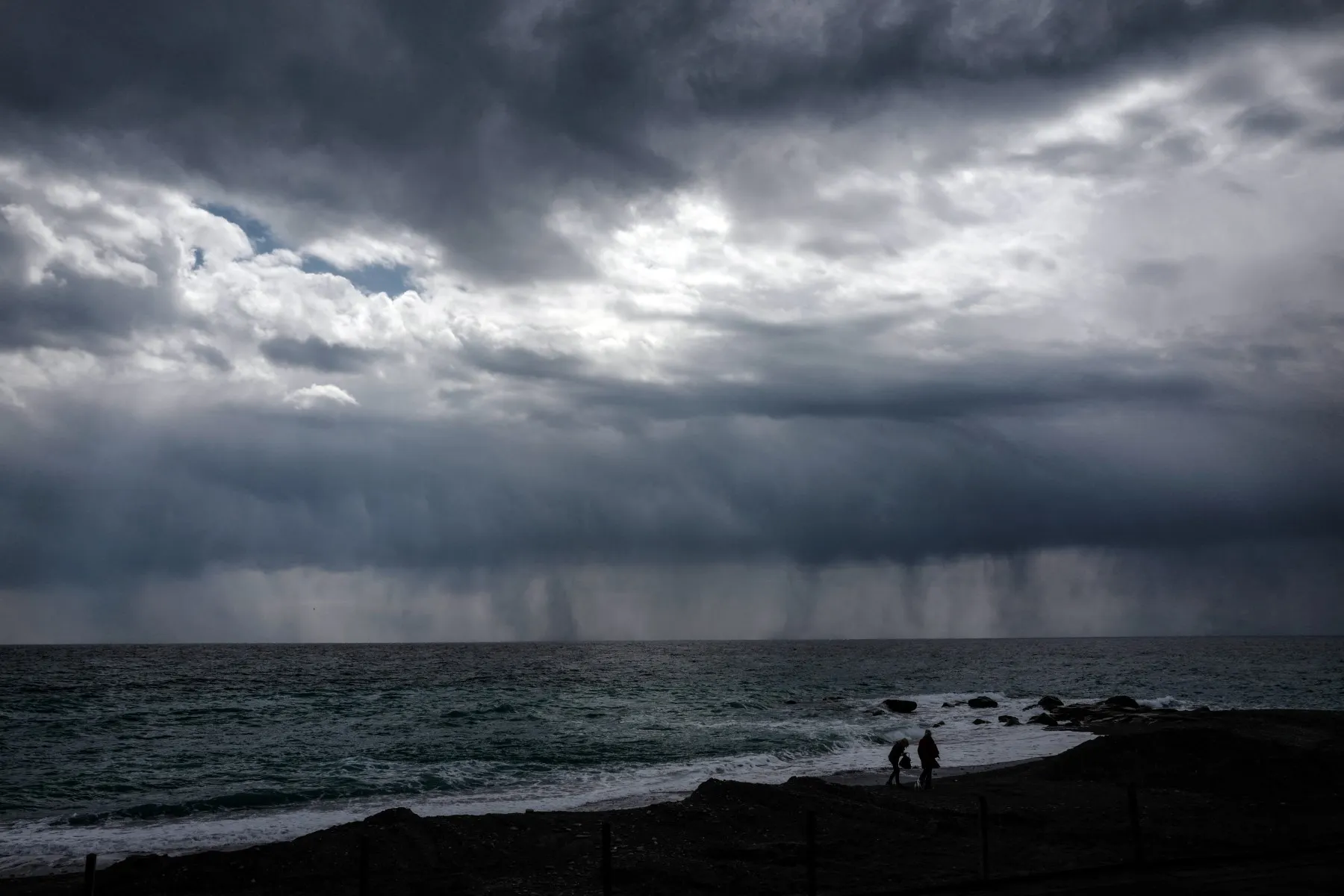
Europe Severe Weather Drives Harmful Ozone Exposure for 298 Million During Record June Heat
Europe severe weather produced Western Europe’s hottest June on record in 2026, when a late-month heatwave drove harmful ground-level ozone pollution that exposed nearly 300 million people across the continent to dangerous air quality levels.
Record June Heat Across Western Europe
The average temperature in Western Europe last month reached 20.74C, more than 3C above the 1991-2020 June average, according to the EU’s Copernicus Climate Change Service. [3] Copernicus defines the region as spreading from Spain and the United Kingdom eastwards as far as Italy, Germany and part of Austria. [3] Last month was also the second-warmest June globally, and the planet experienced the highest June sea surface temperatures since records began. [3] Western Europe has now suffered three intense heatwaves in as many months. [3] National authorities reported more than 4,700 excess deaths in France, Belgium, Spain and the Netherlands during the June heatwave. [3] The intense heat also fuelled wildfires in Iberia and France and exacerbated drought conditions. [3] Greenhouse gas emissions, mostly from burning coal, oil and gas, have increased the planet’s average temperature to around 1.4C above pre-industrial times in the 19th century. [3]
Scale of Ground-Level Ozone Exposure
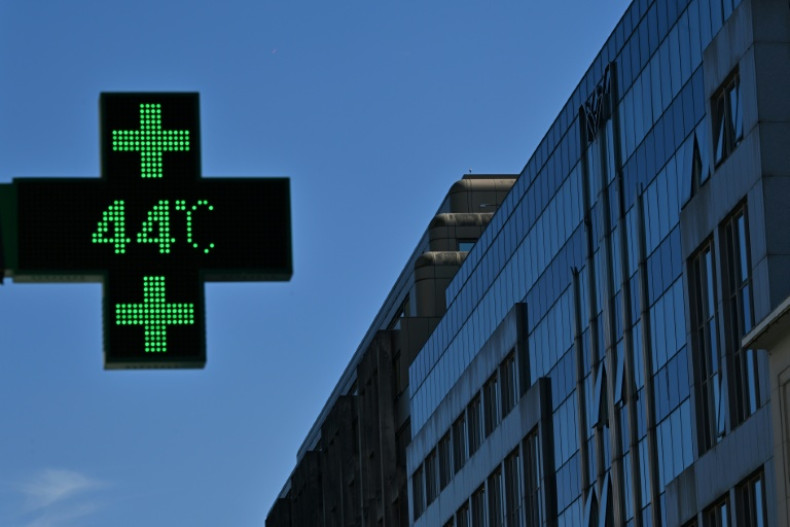
Heatwave drives harmful ground-level ozone pollution across two-thirds of the European Union. — Source: bangkokpost Two thirds of the EU's population faced harmful ozone levels during the late June heatwave. [2] Nearly 298 million people, including 100 million children and elderly people, faced higher-than-recommended levels of the toxic pollutant during the punishing heat in late June. [2] The report combined data from 162 air quality monitoring stations across Europe, atmosphere modelling and census information to estimate continent-wide ozone levels from June 21 to 28. [2] It found that nearly 298 million people across the continent were exposed to levels above the EU's recommended maximum daily eight-hour average of 120 micrograms of ozone per cubic metre. [2] Around 87 percent of the EU's 450 million people were estimated to have faced levels exceeding the World Health Organization's lower guideline of 100 micrograms per cubic metre. [2] And 72 million people faced the most dangerous threshold of 150 micrograms per cubic metre. [2] Two thirds of the monitoring stations gave readings that were in the top percent of all June days dating back to 2013. [2] The highest was 233.7 micrograms per cubic metre in the German state of North Rhine-Westphalia on June 27. [2]
Health and Environmental Impacts
More than 4,700 excess deaths were reported in France, Belgium, Spain and the Netherlands during the June heatwave. [3] Ground-level ozone can cause breathing problems, damage lung tissue, trigger asthma attacks and lead to other health issues. [2] More than 63,000 deaths as well as billions of euros in crop damage were attributed to ozone pollution in 2023 alone. [2] The intense heat also fuelled wildfires in Iberia and France and exacerbated drought conditions. [3] The prolonged heat is placing increasing strain on hospitals, care services and vulnerable communities. [5] The UK Health Security Agency has activated Amber Heat-Health Alerts across much of southern, eastern and central England, with Yellow Alerts covering northern regions. [5] The alerts remain in force until 12 July. [5] The National Health Service has warned that hospitals are already operating under sustained pressure. [5]
Formation and Drivers of Ozone During Heatwaves

Western Europe experienced its hottest June on record in 2026 amid severe heatwave conditions. — Source: cyprusmail Ground-level ozone is different from the ozone layer in the atmosphere, which protects Earth from the Sun's radiation. [2] At ground level ozone is created by chemical reactions triggered by high temperatures and strong sunlight during heatwaves. [2] Ground-level ozone is created by chemical reactions that involve nitrogen oxides, commonly from traffic, as well as organic compounds largely from human-driven methane emissions. [2] The EU has reduced nitrogen dioxide levels in recent decades. [2] However methane accounts for a third of ground-level ozone formation, and the EU has no binding targets to reduce methane emissions from agriculture. [2] If these chemicals are not emitted in the first place, then ground-level ozone does not form. [2]
Ongoing Heatwaves and Forecasts in 2026
Large parts of the United Kingdom are enduring another spell of extreme summer weather, with temperatures expected to climb well above 30C and potentially reach 35–36C in parts of England by the end of the week. [5] This current hot spell is the country's third official heatwave of 2026. [5] The hottest conditions are forecast on Thursday and Friday, when parts of southern and eastern England could see temperatures climb to 35C or even 36C. [5] Daytime temperatures above 30C will become widespread, while overnight conditions will remain unusually warm. [5] Some urban areas may experience tropical nights, where temperatures fail to fall below 20C. [5] There remains a possibility of thunderstorms developing as cooler air begins to move in, particularly later in the week. [5] The European Commission's Directorate-General for European Civil Protection and Humanitarian Aid Operations issued a daily map on 09/07/2026 showing the ongoing heatwave across Europe. [1]
Climate Change Context and Expert Views
June 2026 underscored how profoundly the climate is changing. [3] The result is increasingly intense heatwaves, a persistently warm ocean, and growing risks for people, ecosystems and infrastructure across Europe and beyond. [3] Compared to a particularly deadly heatwave that struck Europe in 2003, this latest episode is really remarkable and worrying because it came so early in the summer. [2] International collaboration is essential to tackle the ozone issue. [2] The relationship between heatwaves and global warming is about as straightforward as it gets: on a hotter planet, there will be more heatwaves, and they will become more intense. [3] Climate change will drive longer, hotter and more frequent heatwaves. [2] Ozone is a problem when there are already pressures on people's health from humidity and temperature. [2] People should avoid being outside, particularly exercising, during the hottest parts of the day when ozone pollution is high. [2]
What to watch next: Forecasters expect temperatures to gradually ease across parts of southern and eastern Britain over the weekend, although very warm weather is likely to persist elsewhere, while the south-west, Scotland and Northern Ireland are forecast to remain warmer than average and the risk of isolated thunderstorms may increase.