
Escalation or Strategy? Analyzing the Motives Behind Recent Pakistani Airstrikes in Afghanistan
Overview of Recent Airstrikes
Pakistani airstrikes targeted Taliban installations in Kabul on March 1, 2026, marking a dramatic escalation in cross-border tensions with Afghanistan. This follows a rapid series of strikes since late February, amid accusations of Afghan-based militants launching attacks into Pakistan. The moves signal not just retaliation but a calculated strategy to deter threats and assert regional dominance.
Timeline of Events
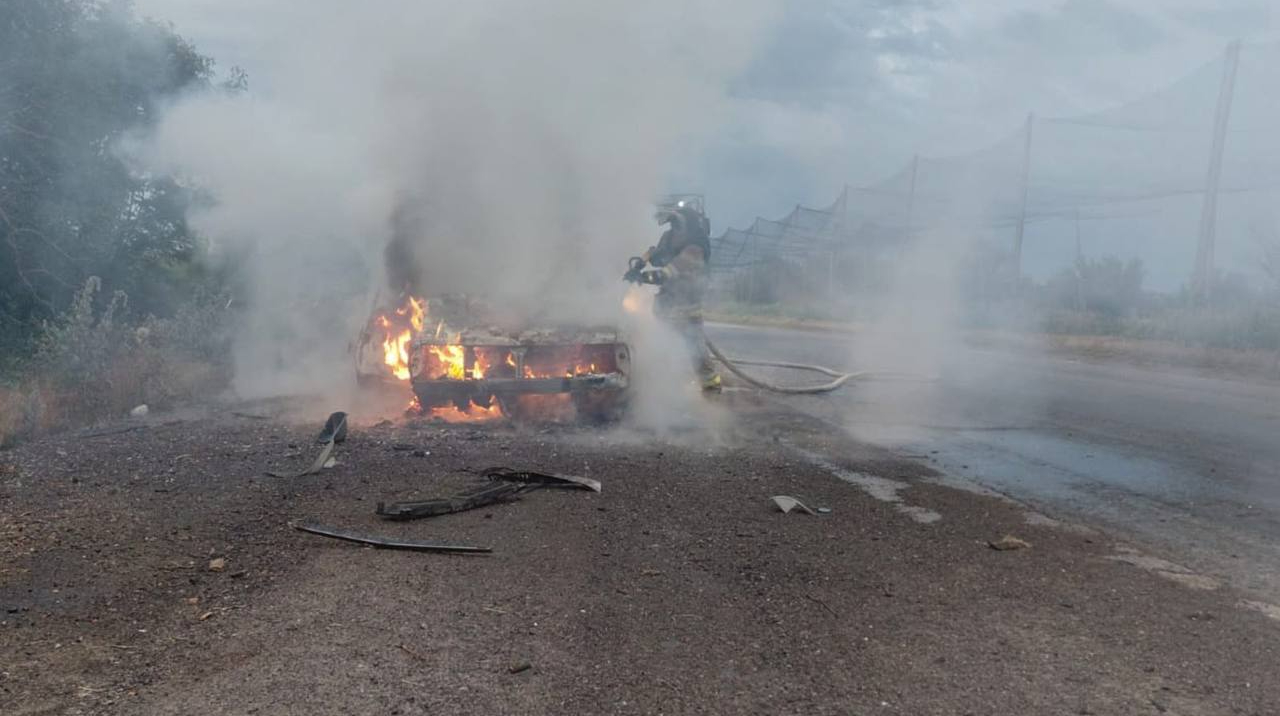
The latest strikes hit Kabul directly, as reported by Xinhua, following a flurry of Pakistani air operations: Nangarhar on February 22, border areas on February 26 after a surge in attacks, and Kandahar on February 28. Immediate impacts include reported damage to Taliban sites, with unconfirmed casualties. Pakistan claims these target Tehrik-i-Taliban Pakistan (TTP) hideouts sheltered by the Taliban government. No official Taliban casualty figures have been released, but Afghan sources describe the Kabul strikes as unprecedented in scope.
Historical Context & Strategic Implications
These actions echo historical patterns of Pakistani military engagement in Afghanistan. Past operations, like those in Nangarhar and Kandahar provinces in prior years, aimed to neutralize TTP sanctuaries post-2014 NATO withdrawal. Since the Taliban's 2021 return to power, tensions have simmered, with Pakistan conducting intermittent cross-border strikes—over 80 in 2024 alone—to counter rising TTP violence, which killed hundreds in Pakistan last year. The February-March 2026 timeline illustrates continuity: strikes correlate with TTP attack spikes, reflecting Pakistan's doctrine of preemptive action against perceived safe havens.
Why This Matters
Beyond retaliation, these airstrikes serve strategic motives: deterrence against TTP, power projection to domestic audiences amid political instability in Pakistan, and bolstering influence in a volatile region. By striking Kabul—a political nerve center—Pakistan signals intolerance for Taliban inaction on militants, drawing from precedents like India's 2019 Balakot strikes post-Pulwama. This risks broader fallout: strained Afghan-Pakistani ties could draw in India (a Taliban critic) and Iran (concerned over border spillover), heightening South Asian tensions and complicating China's Belt and Road investments.
Public Reactions
Social media erupts with divided reactions. Pakistani analyst @ImtiazGul60 tweeted: "Kabul strikes are a message: No sanctuary for TTP. Taliban must act or face more." Afghan voices push back; @ZelmayKhalilzad (former U.S. envoy) posted: "Escalation risks regional war—diplomacy now." Taliban mouthpiece @UMAMAfghanistan warned of "severe consequences," while Indian users like @BDUTT cheered: "Pakistan showing spine against terror." Experts quote Stratfor's analysis: "Strategic signaling over outright war."
Looking Ahead
If strikes persist, expect Taliban retaliation—possibly asymmetric via proxies—or a strategic pivot toward diplomacy, perhaps mediated by China. International calls for restraint from the UN could prompt talks, but TTP emboldenment risks a new conflict phase. Monitor Taliban statements and Pakistani border movements for escalation cues.
This is a developing story and will be updated as more information becomes available.