Escalation of Tensions: Israeli Airstrikes Target Hezbollah in Southern Lebanon
In a significant escalation of hostilities, the Israeli military has conducted airstrikes in southern Lebanon, targeting infrastructure associated with the Hezbollah militant group. These actions, which began on December 31, 2025, come despite ongoing tensions and a fragile ceasefire in the region.
The Israeli army announced that the airstrikes were aimed at Hezbollah facilities, which they claim play a pivotal role in the group's military operations. An Israeli military spokesperson stated, "These attacks are a response to ongoing threats from Hezbollah and are essential for the security of our northern border." The strikes are reported to have occurred in the vicinity of the Lebanese towns of Tyre and Nabatiyeh, known strongholds of Hezbollah.
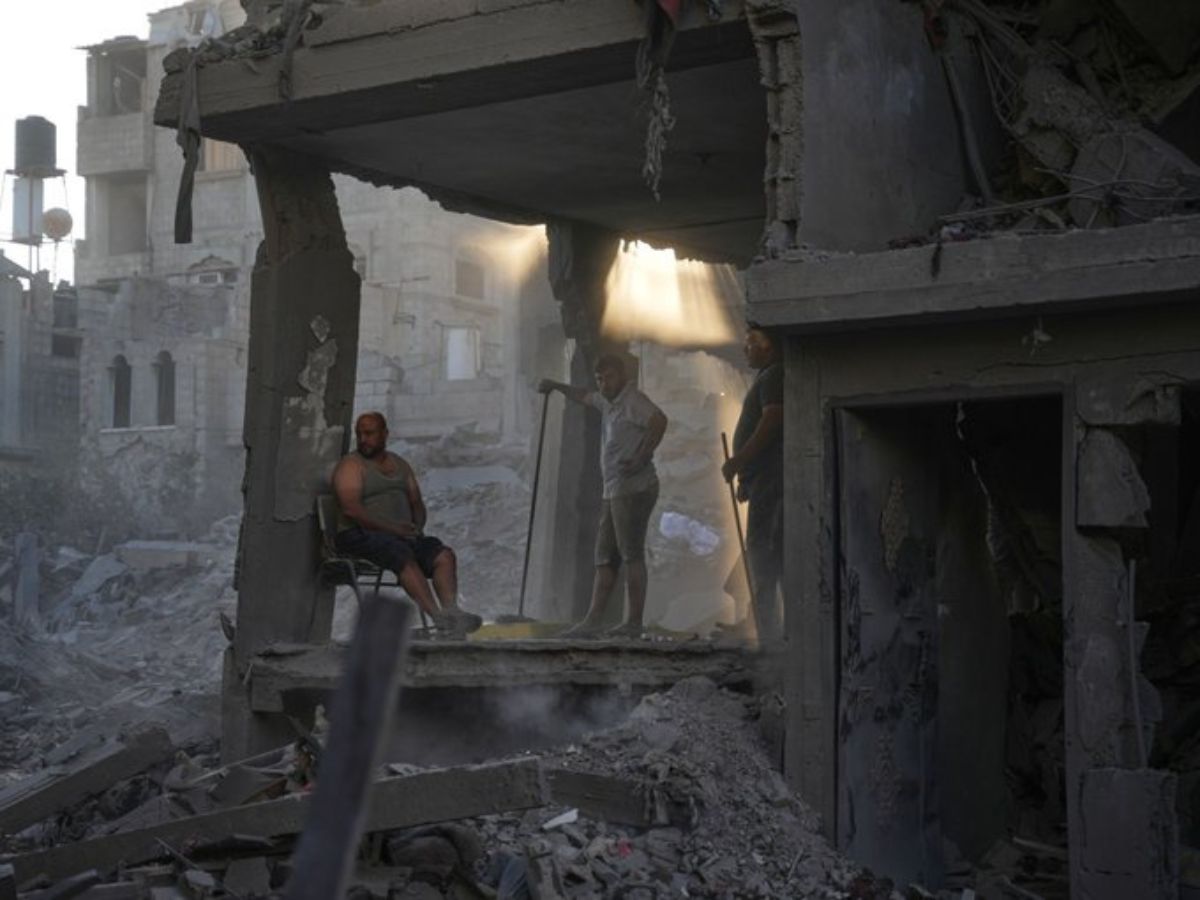
Civilian casualties and damage to infrastructure have raised concerns among humanitarian organizations, with many fearing a further deterioration of the situation in Lebanon. Local sources indicated that the strikes resulted in significant destruction, although specific casualty figures remain unconfirmed as of now.
Context of the Conflict
The recent airstrikes are part of a broader pattern of tension between Israel and Hezbollah, particularly in the context of the ongoing Israel-Gaza conflict that escalated in October 2023. The violence has spilled over into Lebanon, with Hezbollah actively involved in supporting Palestinian factions. Lebanon has been grappling with a complex political landscape, exacerbating the threat of spillover violence from regional conflicts.
Hezbollah has responded to Israeli actions with threats of retaliation, underscoring the precarious balance of power in Southern Lebanon. The group has vowed to protect its territory against what it perceives as Israeli aggression, which could lead to further military confrontations in the region.
Background on Hezbollah and Israeli Relations
Hezbollah, classified as a terrorist organization by Israel, the United States, and several other nations, has maintained a volatile relationship with Israel since its inception in the early 1980s. The group has been involved in multiple conflicts with Israel, including the 2006 Lebanon War, which resulted in significant casualties and destruction on both sides.
In recent years, tensions have heightened due to Hezbollah's increasing military capabilities, including missile technology reportedly supplied by Iran. Israeli officials have warned that they will not tolerate any threats from Hezbollah and have employed airstrikes as a method to disrupt the group’s military infrastructure.
Conclusion and Outlook
As the situation continues to evolve, both regional and international observers are closely monitoring the developments in southern Lebanon. The potential for escalation remains high, with fears that renewed hostilities could lead to a wider conflict involving multiple actors in the region. Diplomatic efforts to establish a lasting ceasefire will be crucial in preventing further violence and ensuring stability in Lebanon and its borders.
The international community, including the United Nations, has called for restraint from both parties, emphasizing the need for dialogue to address the underlying issues fueling the conflict. As of now, the airstrikes mark a troubling chapter in an already tense situation, raising questions about the future of peace in the region.