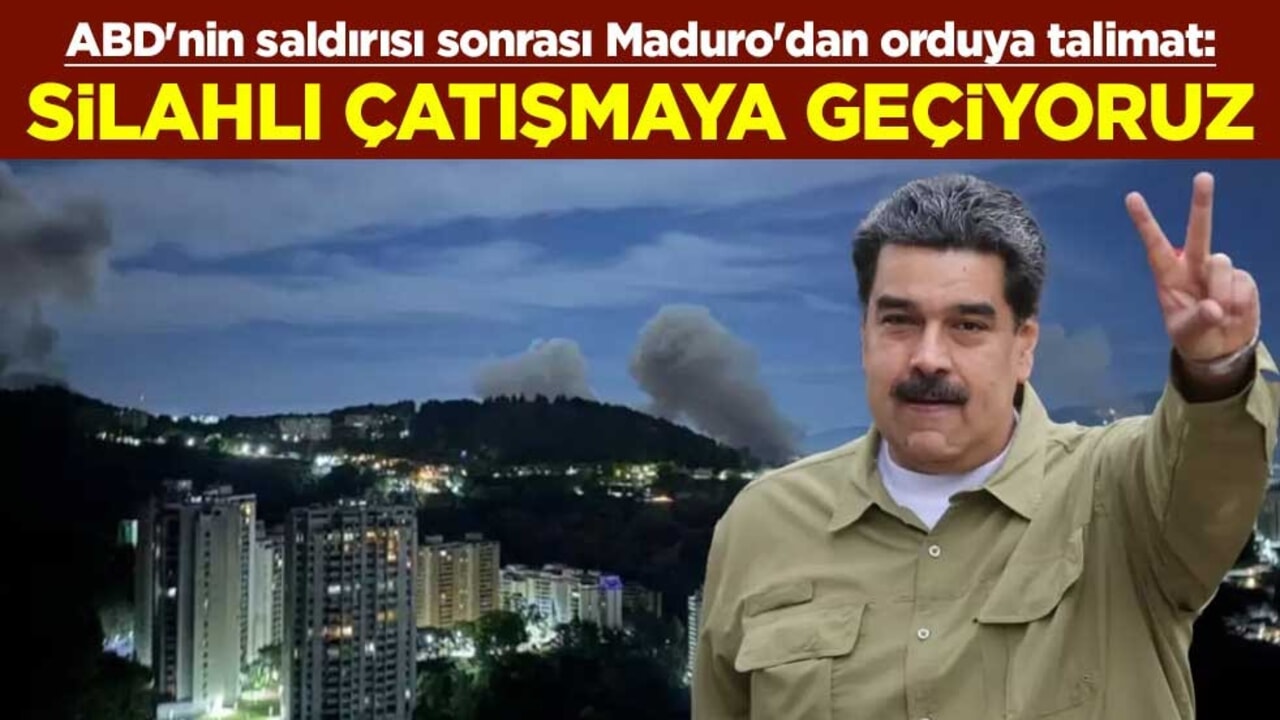

Escalation of Conflict in Venezuela Following U.S. Military Actions
In a dramatic turn of events, tensions in Venezuela have escalated significantly following recent military operations initiated by the United States. Venezuelan President Nicolás Maduro has ordered the military to prepare for armed conflict, marking a notable intensification in the ongoing crisis that has gripped the nation for years. This escalation comes as President Donald Trump’s administration adopts a more aggressive stance towards Caracas, raising fears of further violence in the region.
On December 31, 2025, the U.S. commenced ground operations targeting military installations and government assets within Venezuela, citing ongoing human rights violations and the threat posed by the Maduro regime to regional stability. This move has drawn sharp condemnation from the Venezuelan government, which accused the U.S. of imperialist aggression and vowed to defend its sovereignty.
In response, President Maduro stated, "The time for dialogue has passed; we are now entering a phase of armed conflict." He emphasized the need for the military to be ready to protect the nation against what he termed "foreign invaders." This declaration reflects a dangerous shift in rhetoric and policy, as both sides prepare for a potential escalation in hostilities.
The U.S. operations are part of a broader strategy under President Trump aimed at destabilizing the Maduro regime, which has been accused of widespread corruption, economic mismanagement, and brutal repression of dissent. The administration's actions come as the humanitarian situation in Venezuela continues to deteriorate, with millions facing food shortages, medical crises, and mass displacement.
Background
Venezuela has been embroiled in a political and economic crisis for several years, with deepening divisions between the government and opposition factions. Since the U.S. recognized Juan Guaidó as the legitimate interim president in early 2019, the situation has only worsened, leading to international sanctions and the isolation of Maduro's government. The political impasse has fueled civil unrest, with the population increasingly disillusioned with both the government and the influence of foreign powers.
The latest military actions have raised concerns among international observers who fear that this conflict could spiral into a broader regional crisis. Neighboring countries, already grappling with the influx of Venezuelan refugees, are wary of the potential for increased violence spilling over their borders.
Conclusion
As the situation in Venezuela continues to unfold, the international community watches closely. The actions taken by the Trump administration and the response from Maduro's government could have far-reaching implications not only for Venezuela but also for U.S.-Latin America relations. The potential for armed conflict raises alarms about the humanitarian consequences for Venezuelan citizens, who are already enduring a severe crisis.
With both sides entrenched in their positions, the coming weeks could prove critical in determining the trajectory of this conflict. Diplomatic solutions appear increasingly elusive as military posturing intensifies, leaving the future of Venezuela uncertain amidst escalating tensions.






